
H&IS and Corum explore how to enhance wellness at home, from interior elements like natural light and soothing colours to outdoor additions like walled gardens, vegetable patches, gyms and saunas
This post was written in partnership with Corum
Finding a forever home, for many people, now depends on whether a property can facilitate the lifestyle they crave. It’s about vision and standard of life as opposed to just having a space that they can call their own. Marc Leslie is deputy managing partner for Corum, a Scottish estate agency that has spent decades championing homes with personality, integrity and a strong sense of community. He sees the housing market, and buyer desires, changing constantly. In 2026, the expert is noticing a huge uptick in people’s need to enhance wellness, of all kinds, at home. “People are thinking far more intentionally about how their home supports their wellbeing. We are seeing strong demand for homes that bring a sense of calm,” he says.
When it comes to interiors, it’s no longer just about space, but about light, flow and having areas that allow you to properly switch off at the end of the day: a conservatory to read in, a sun room to paint in, a yoga studio to unwind in. Often, for outdoor spaces, people are looking for potential: is there space for a garden room, or a terrace, maybe a pergola, or an al fresco cooking-dining area? Here, we explore five ways to enhance wellness at home.
Let light in
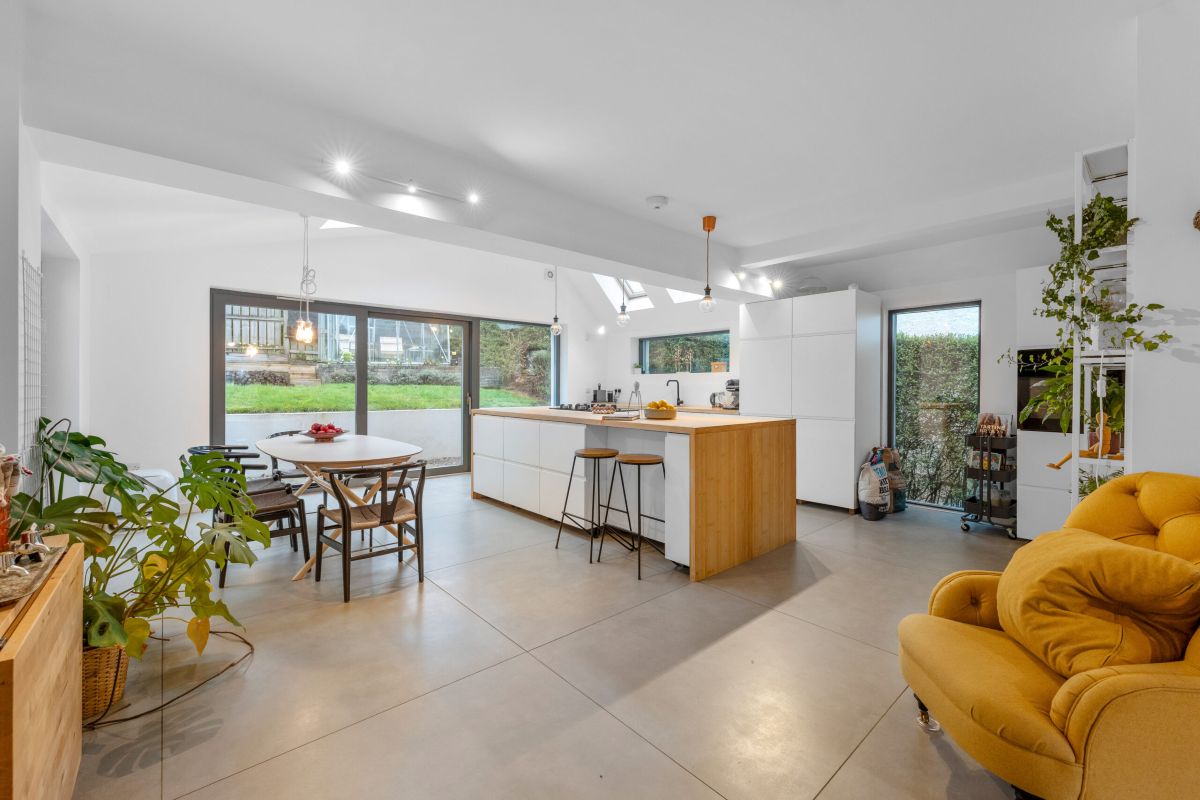
Light, as we know for plants, is a source of life and power; for humans it supports vision and balances the circadian rhythm. This internal body clock keeps things like sleep and blood flow balanced, which helps boost the mood and enhance general wellbeing. And, according to Marc, it is light that more people are looking to channel into their homes: “Natural light, private gardens and flexible spaces that can be used for exercise, relaxation or simply unwinding have become increasingly important.”
Bay windows, glass patio doors and window walls are great starting points for maximising natural light in the home. Try installing skylights or solar tubes too, using large mirrors to reflect light where the source is minimal. Choosing sheer window treatments and applying light paint colours also brightens a room. Light can easily flow from room to room if you replace solid doors with glass alternatives.
Learn more about the photographed property
Exercise on your doorstep
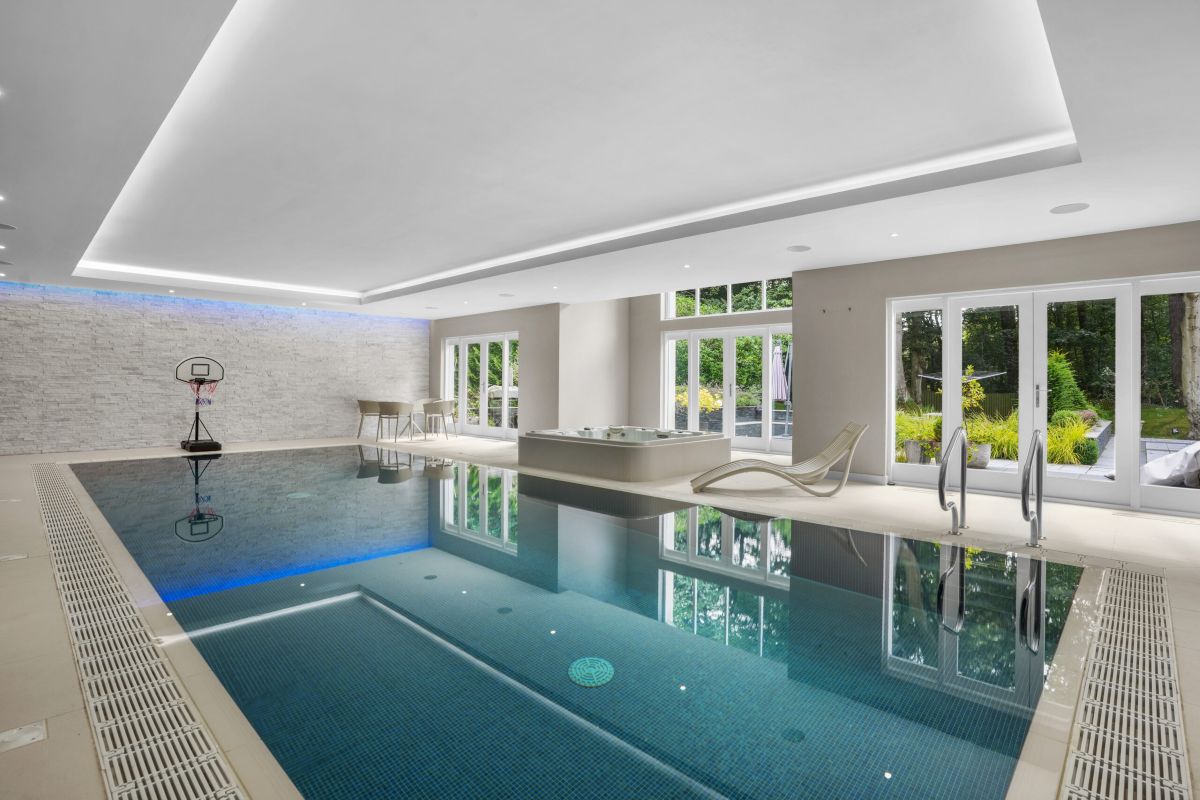
“There is also a growing interest in dedicated wellness spaces, whether that’s a home gym, a pool or simply a room that can be adapted to suit a more considered way of living,” says Marc. People don’t want to drive for half an hour to get to the gym after long days at work. They don’t want to swim through plasters in a public swimming pool or clean dirty gym machines that aren’t their own. Yoga in a busy class is losing its appeal, as is sharing a HIIT class with 20 other people. That’s why, in the last 12 months, the at-home wellness industry has seen 26% more homeowners in the UK adding gyms and exercise studios to their homes. As a result, experts project a 5.8% increase in swimming pool installations in 2026, with 35% of new customers even opting for natural swimming ponds to replicate open water and wild swimming.
Learn more about the photographed property
Health is wealth
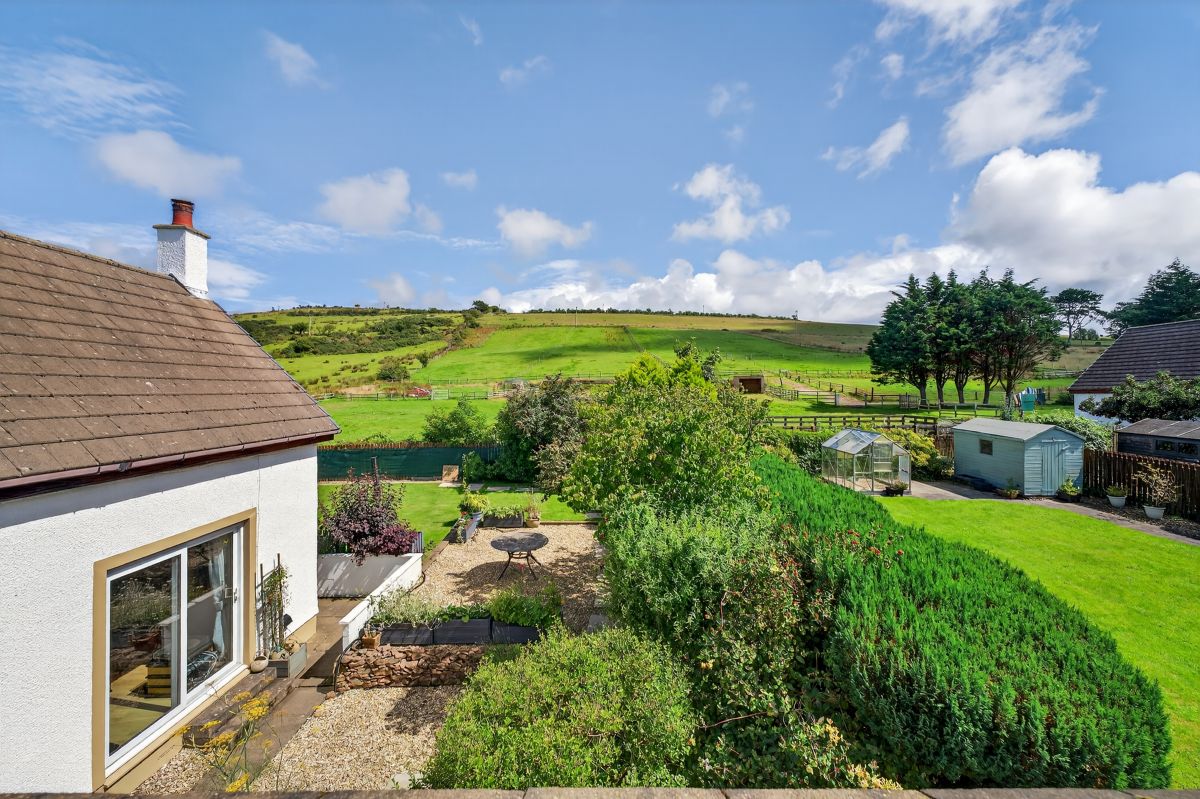
The “grow your own” movement in the UK has experienced a significant, sustained surge, with roughly 35% to 50% of UK adults now cultivating their own fruit, vegetables, and herbs at home. People have a desire to know exactly what’s going into the food they eat, so having space to grow whole, clean produce is, for a lot of people, non-negotiable. Garden additions like raised vegetable patches and greenhouses are being used to improve health and wellbeing.
“For many buyers, a good garden has moved from a ‘nice to have’ to something close to essential. It offers that immediate connection to nature, somewhere to breathe, reset and enjoy a bit of quiet without leaving home,” says Marc. Fun fact: soil contains a bacterium called mycobacterium vaccae, which, when inhaled or touched, can increase serotonin levels — the “happy hormone” — and reduce anxiety, acting similarly to antidepressants.
Fancy trying your hand at patch-to-plate growing? You need a sunny, level spot (with up to eight hours of sun per day) and nutrient-rich soil. A spade, trowel and rake are essential, as well as having a water source nearby. Clear the area of weeds and dig over the soil, mixing in compost and organic matter. Beds should be roughly four feet wide so you can reach the centre without walking on, and compacting, the soil. To start a greenhouse, you need a sunny, level site, a stable base (concrete, slabs or treated timber) and the structure itself — ideally glass or polycarbonate. The best starter veggies for a patch are lettuce, radishes, beetroot and courgettes. In a greenhouse, start with tomatoes, cucumbers and salad greens.
Learn more about the photographed property
Spa-standard additions, both inside and out
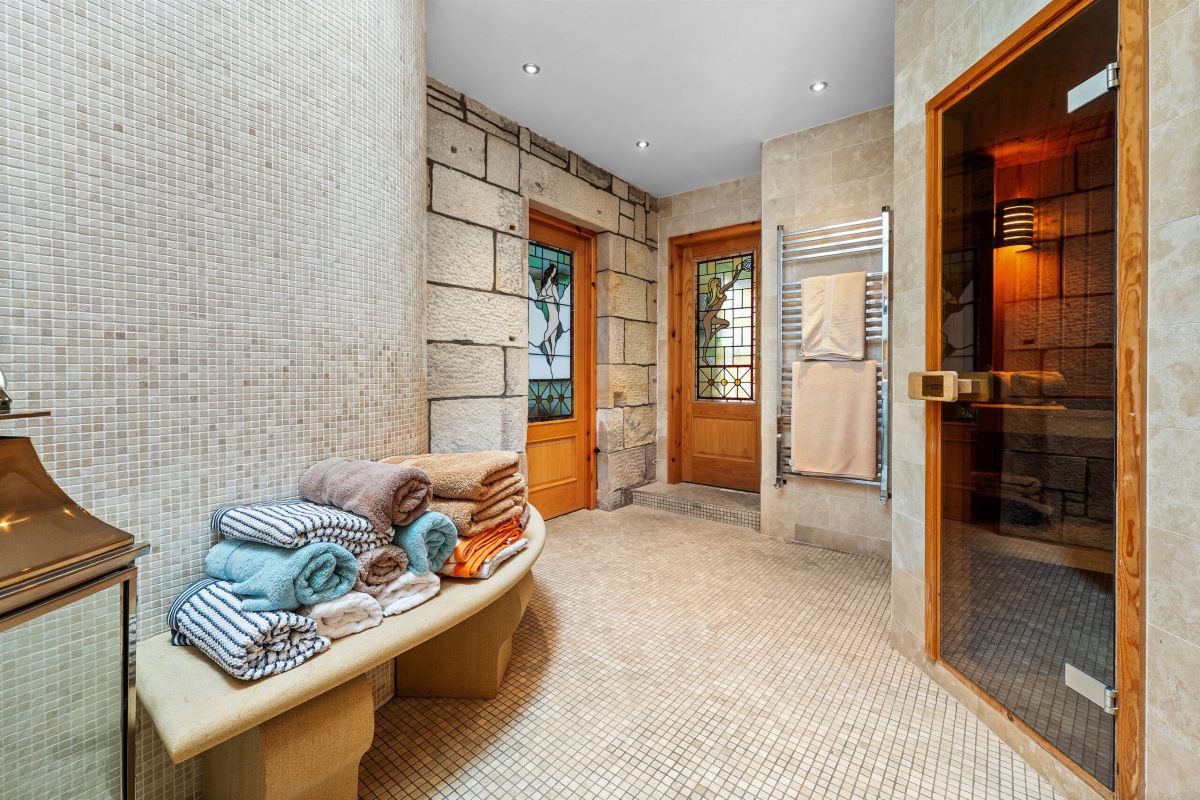
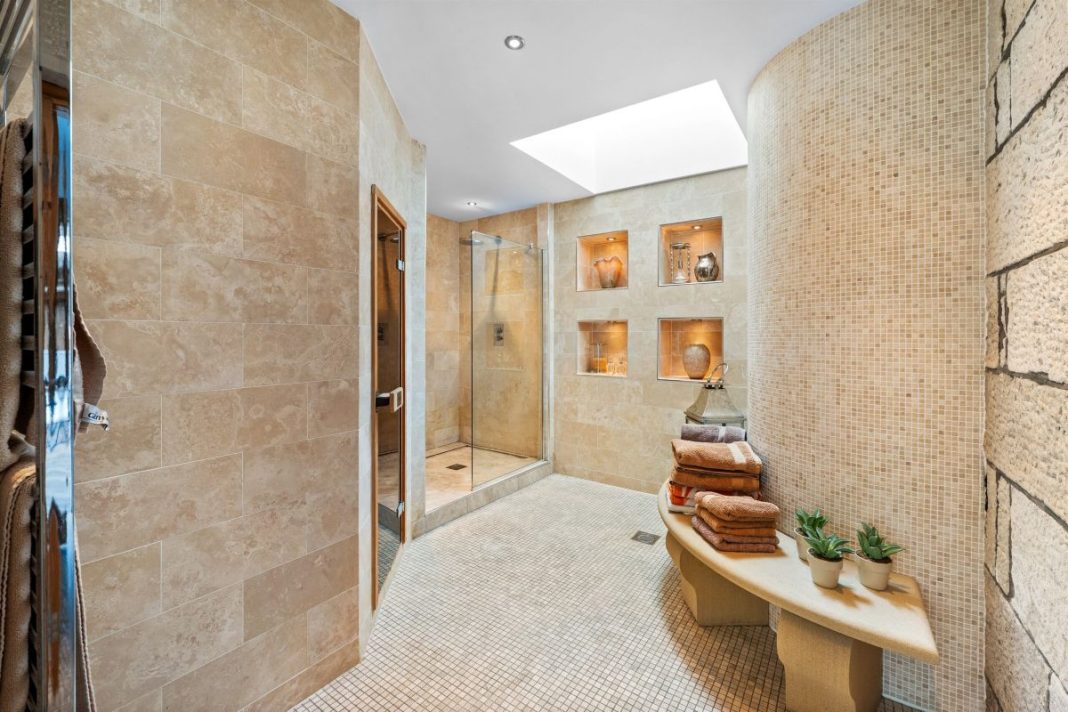
Love a trip to the spa, but can’t find the time? Bring holistic wellness practices and thermal therapy to your doorstep by installing classic spa facilities like saunas, cold water dip tanks, outdoor showers and jacuzzis. Even a garden room nurtures the same feeling of escapism.
Scotland has some brilliant sauna and garden room brands including Skolanti, Scottish Saunas and JML garden rooms who all specialise in built-in saunas for bathrooms as well as freestanding structures for the garden.
Learn more about the photographed property
Location, location, location

“More broadly, one of the most noticeable shifts is the desire to be closer to the countryside. Access to countryside, or even just well-maintained green space, provides a daily sense of escape that is increasingly valued,” explains Marc. “South Lanarkshire and the surrounding areas are particularly well served in this regard. Locations such as Calderglen, Strathaven Park and Chatelherault offer that sense of space and calm without requiring you to travel far at all.”
The sound of roadworks is replaced by birdsong; inner-city stomps are replaced by lochside wanders; loud rush hour traffic is replaced by the whisper of leaves rustling in the wind. Sounds heavenly. It is no surprise that homes in more rural areas are attracting strong interest. Marc specifies that properties with generous gardens, good natural light and access to open surroundings are “proving especially appealing to buyers looking to prioritise wellbeing in how they live.”
Learn more about the photographed property
About Corum
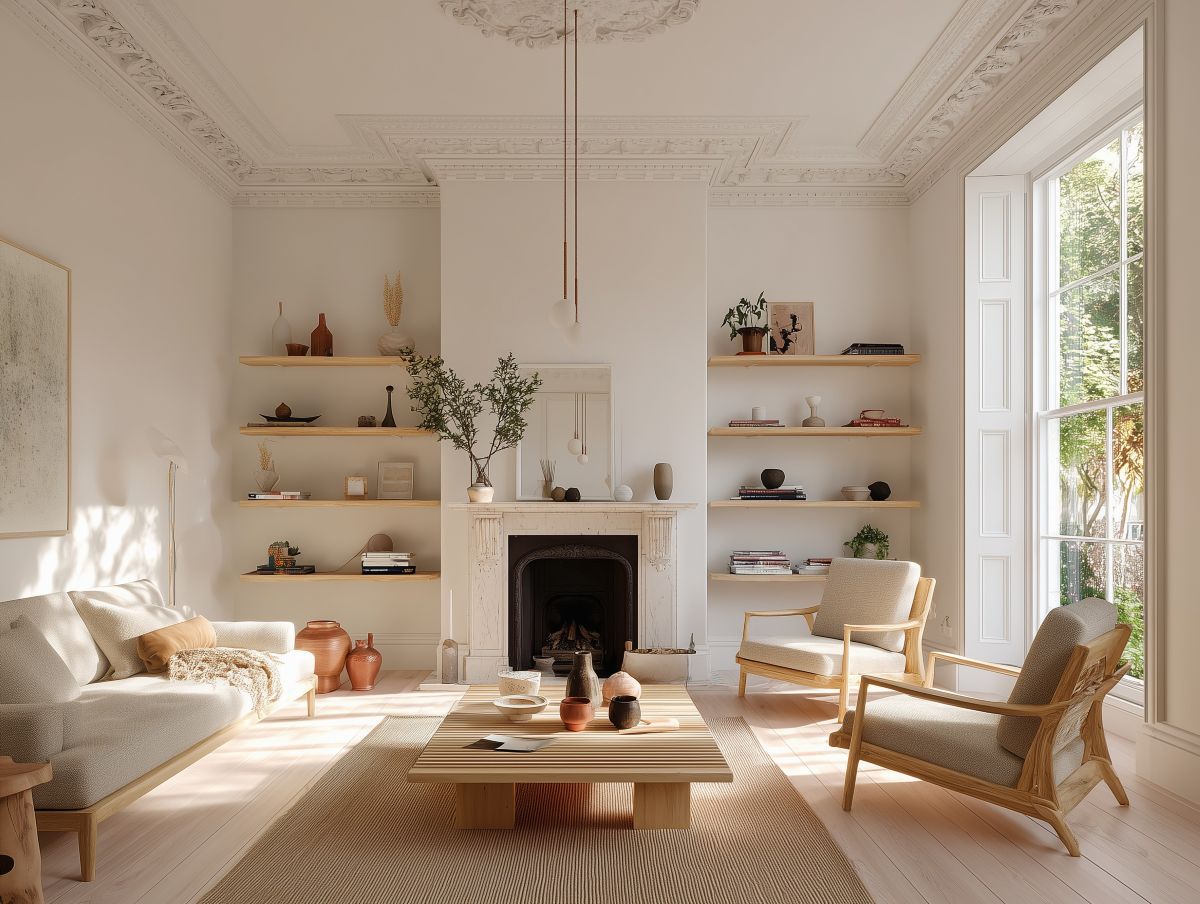
In Scotland’s ever-evolving property landscape, a home is about far more than bricks and mortar. It’s about lifestyle, character and the way a space makes you feel. This philosophy sits at the heart of Corum, an estate agency that has spent decades championing homes with personality, integrity and a strong sense of community.
Corum was founded on the belief that an estate agency should provide a truly exceptional customer experience. Since 2003, Corum has quickly established itself as a leading name in Scottish estate agency, helping thousands of clients buy and sell their homes.
With nine branches across its network, Corum covers the length and breadth of Greater Glasgow, Ayrshire, the Central Belt and the west of Scotland. The brand’s reputation for excellence has been built on a clear focus on quality, consistency and delivering for clients at every stage of their move.
e: westendenq@corumproperty.co.uk
Visit the Corum website | Follow Corum on Instagram | Follow Corum on Facebook