

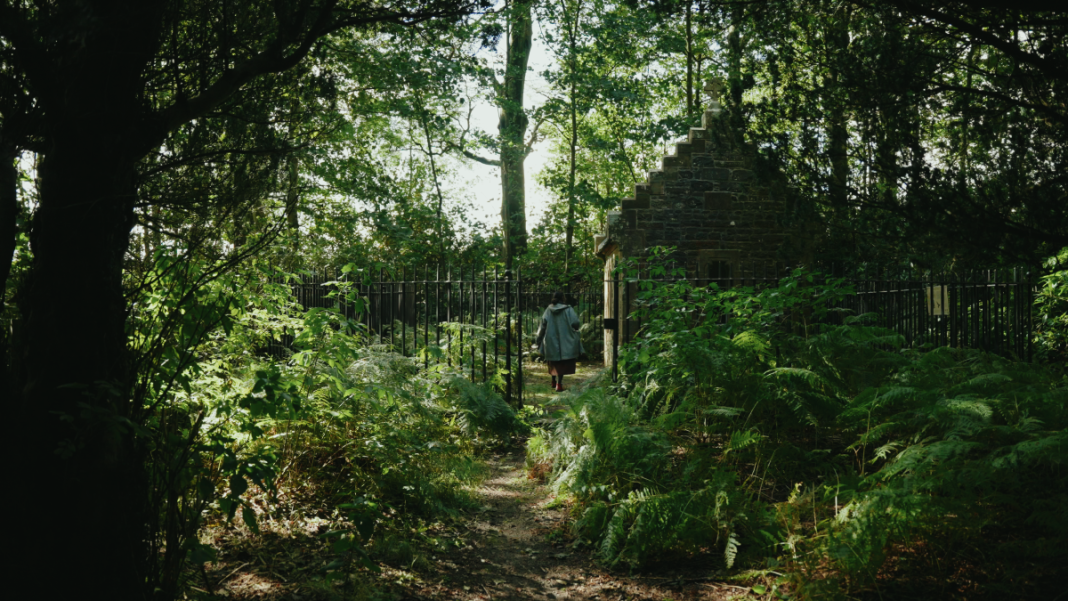
A stand of mature Beech trees in the grounds of Ellisland Farm in Dumfriesshire is believed to have been planted by Robert Burns
A stand of mature Beech trees in the grounds of Ellisland Farm in Dumfriesshire is believed to have been planted by Robert Burns more than two centuries ago, when the poet altered a watercourse as part of his agricultural improvements to the land.
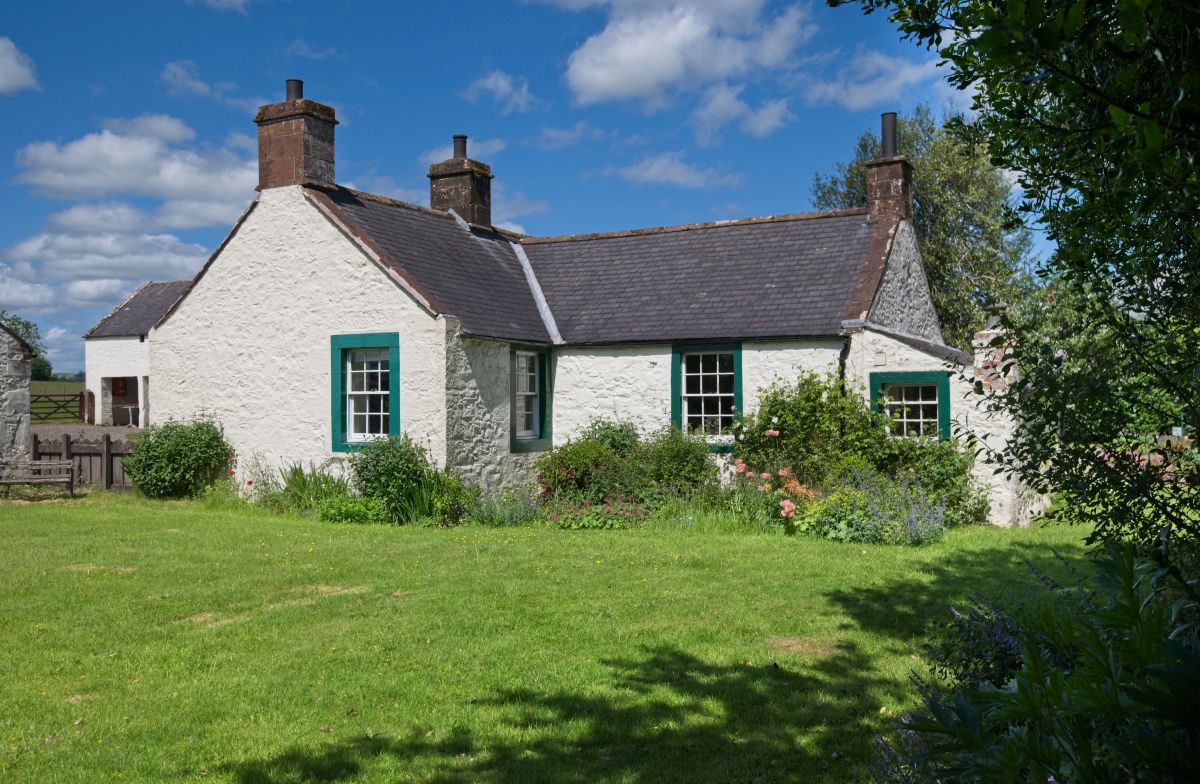
The trees, identified by heritage forester Andrew Brown during research commissioned for the farm’s Woodland Management Plan, are the most striking among a series of new discoveries announced today by the Robert Burns Ellisland Trust.
The case for Burns’ involvement in the planting of the Beech trees rests on a comparison of two detailed estate maps held in archive. The first, drawn in 1787, the year before Burns took up the tenancy, shows no trees in the location. The second, drawn in 1817, clearly shows them in place.
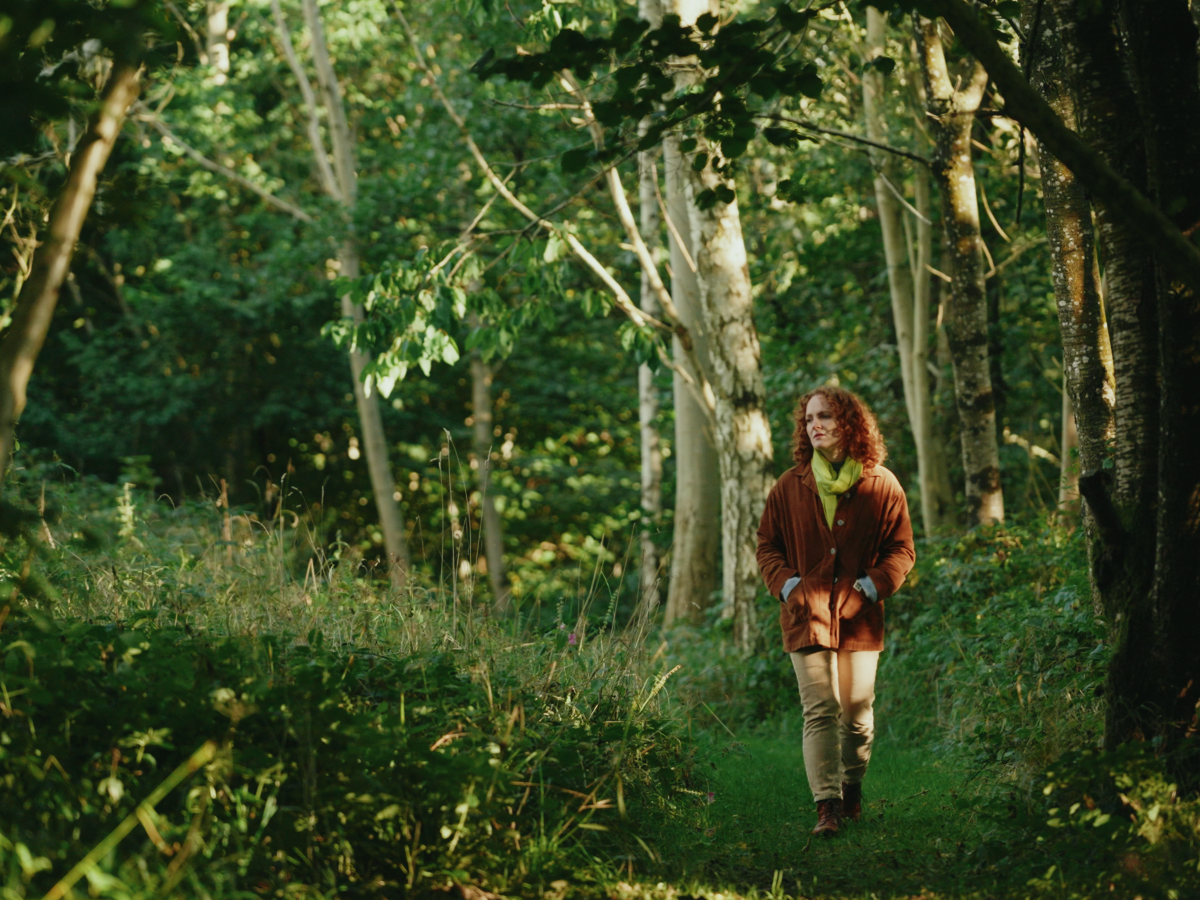
The trees today stand on the spoil bank above the Laggan Burn, a watercourse Burns is documented as having dug out as part of his improvements to the farm, and some still bear graffiti carved into their trunks dating to the 1890s, by which time they would already have been substantial. Written records from Burns’s time at Ellisland refer both to the ditching of the burn and to tree planting on the farm.
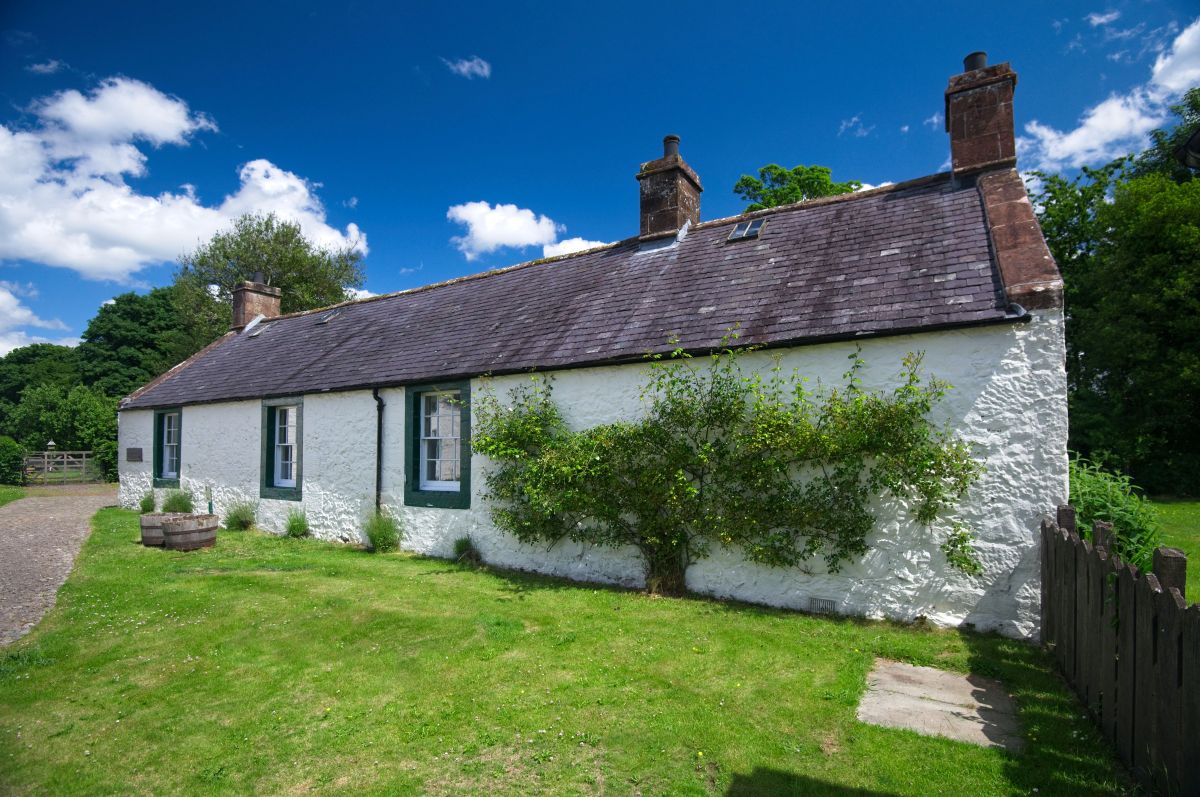
This discovery emerges alongside fresh findings inside the farmhouse itself, where forensic curatorial research has confirmed that significantly more of the building Burns designed, built and lived in between 1788 and 1791 survives intact than scholars had previously believed.
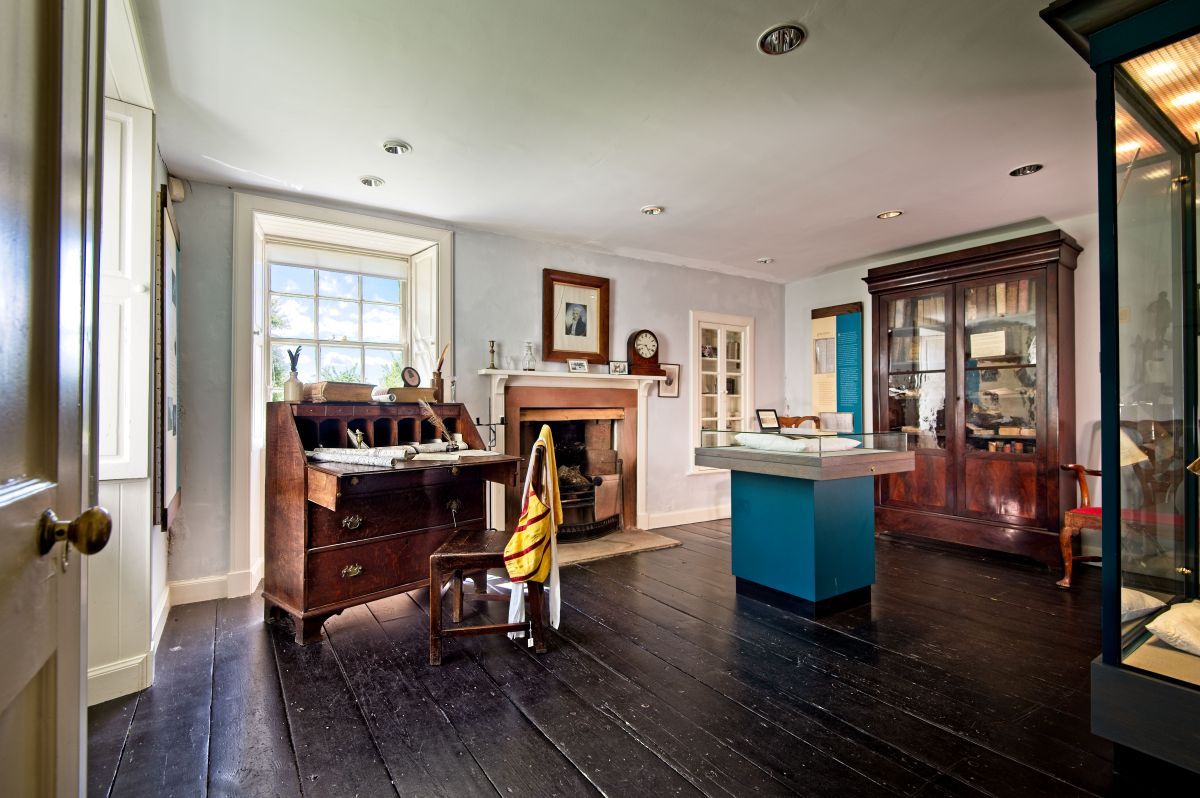
Among the features now confirmed as original are floorboards, ironmongery, windows, wall presses and a neoclassical wooden mantelpiece.
Burns himself referred to the mantelpiece in a letter written from Mauchline in June 1788, shortly before he moved into the farmhouse, in which he set out his plans to hang silhouettes of three friends above it.
The mantelpiece descended through the Taylor family, who owned Ellisland for more than a century after the poet’s death. The discoveries form part of the evidence base behind the £12 million Saving the Home of Auld Lang Syne campaign, the Trust’s effort to restore the Category A listed farmhouse and secure its future.
Burns wrote Auld Lang Syne, Tam o Shanter and more than a quarter of his lifetime’s output during the three years he spent at Ellisland.
Adam Dickson, project curator for the Robert Burns Ellisland Trust says, “What is striking about these discoveries, taken together, is how directly they connect today’s visitors to Burns’s daily life at the farm. The house he built, the furnishings he selected, and the trees he planted; each is a piece of tangible, physical evidence of his presence here.
“After more than two centuries, there is still a great deal to learn about Robert Burns at Ellisland, and what we are uncovering will shape the way visitors experience this place for generations to come.”
The Trust intends to apply to Dumfries and Galloway Council for a Tree Preservation Order recognising the trees’ historical association with the poet. Andrew Brown said: “The Beech trees on the Laggan Burn spoil bank tell a story you can read in the maps and in the ground itself. They were not there before Burns took on the farm, and they were there shortly after. There are written references from Burns’s time to both the digging out of the burn and to tree planting at the farm during his improvements. The location, scale and age of these particular trees all point in the same direction, and they deserve formal protection.”