

Meet your secret neighbours by transforming your space into a Scottish wildlife utopia
Beneath the hedge or tucked away in the grass, a hidden community of Scottish wildlife waits to share your garden this summer. From shy hedgehogs to busy bumblebees, these quiet visitors are part of Scotland’s rich natural tapestry. Now your outdoor space can become their sanctuary.
You don’t even need a large garden to make a difference as windowsills, balconies, or even a doorstep can offer a valuable habitat for these unassuming residents.
We have put together eight eco-friendly ways you can welcome Scottish wildlife into your garden and watch it come alive.
1. Think twice when trimming back the space
A gentler approach to mowing can create vital food, shelter and breeding spots for garden wildlife.
National Trust Scotland recommends that when you cut the grass, raise the blades slightly so low flowers like clover survive the cut to feed bees. Don’t rush to cut back herbaceous plants – vascular plants that have no persistent woody stems above ground – with seedheads after they flower either, as they leave valuable seeds for birds and insects over winter.
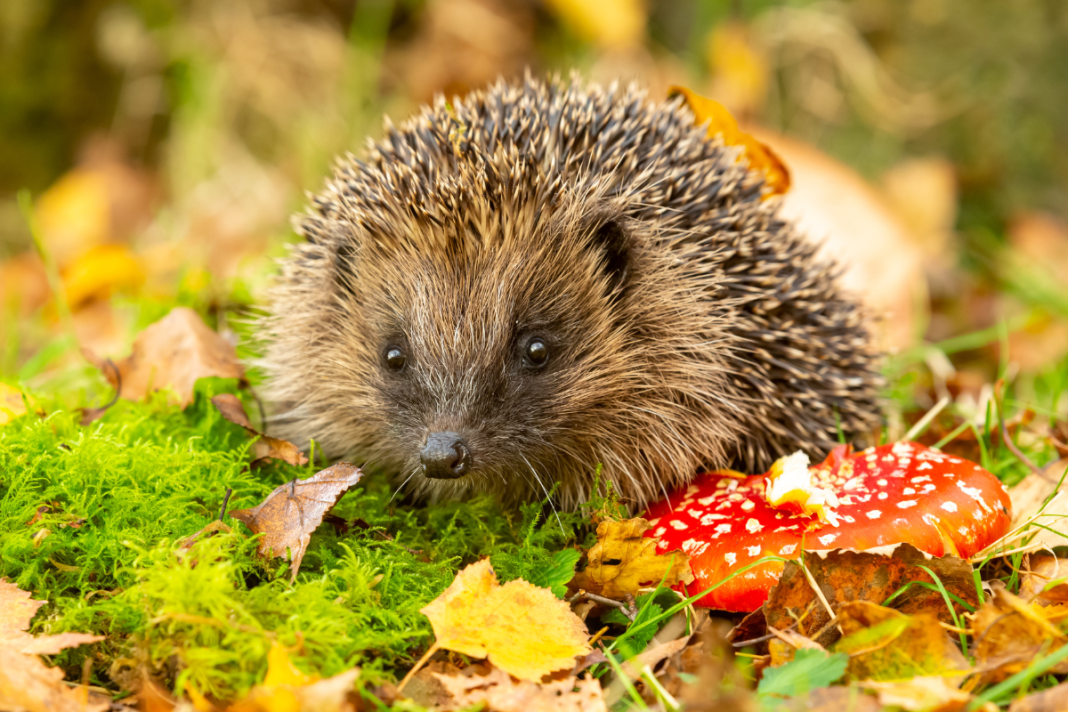
A pile of leaves in a quiet spot can also become a hedgehog’s hibernation nest and offer a natural way to tackle slugs next season, avoiding the need for pellets.

2. Become a butterfly hotspot
Let your garden give you butterflies for a flutter of colour in the garden this summer.
The Scottish Wildlife Trust suggests focusing on simple flowers to make it easy for them to access the nectar. Place your flowers in a sheltered but sunny spot for the best results. You should also include host plants like fennel, parsley, violets and milkweed so caterpillars have something to eat.
3. Avoid pesticides
Ditching pesticides helps wildlife thrive and will encourage more birds, insects and plants to return.
Repeated pesticide use harms many species beyond the target pests and reduces biodiversity, according to National Trust Scotland. Choosing organic methods, encouraging predators and tolerating minor damage supports a healthier garden for visitors of all shapes and sizes.
4. Feed the birds
Wake up to birds singing your praises.
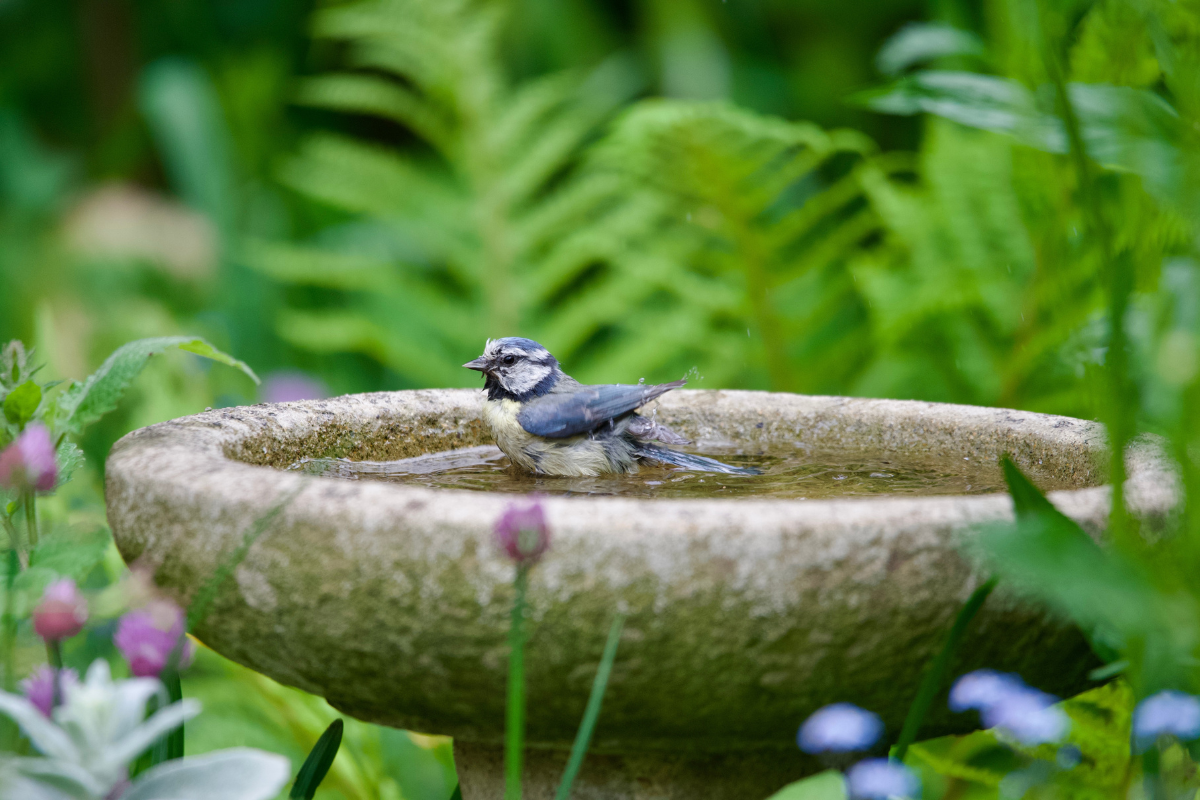
Putting out feeders offers close-up wildlife viewing and essential nutrients during harsh Scottish weather seasons. A mix of native plants provides natural food sources and creates sheltered spots for taking refuge and raising young.
Plants recommended by Scottish Wildlife Trust include wallflowers, red campions, wild privets, dog roses and holly to extend food and habitat across seasons.
5. Plant a tree
Planting for long-term sustainability? Trees offer lasting benefits by storing carbon, improving air quality and creating habitats for different creatures.
Native trees and shrubs are best because local wildlife already depend on them. Recommended species include alder, cherry, oak and willow. Shrubs such as blackthorn, broom and buckthorn can also help creatures thrive.
There are many organisations, including the National Trust for Scotland, that plant woodlands with an eye on their long-term life. They can even plant a tree in memory of someone for you.
6. Introduce water features
Creating a pond is one of the best ways to boost wildlife in your garden. It can serve as a breeding habitat for frogs and newts, feeding sites for bats and birds, and hunting grounds for predatory insects that help control pests.
For the best results, Scottish Wildlife Trust recommends you choose a sunny site away from overhanging trees while also ensuring the hole you dig is at least 77cm deep.
7. Introduce wildflowers
Wildflowers spike insect populations and boost soil health, which in turn feeds amphibians, small mammals and birds.
The Scottish Wildlife Trust encourages gardeners to select a poor patch of ground that hasn’t been cultivated recently, as meadows thrive best on unproductive soil.
Scatter a suitable wildflower and grass seed mix or plant plugs evenly to encourage diversity.
8. Check out bee hotels
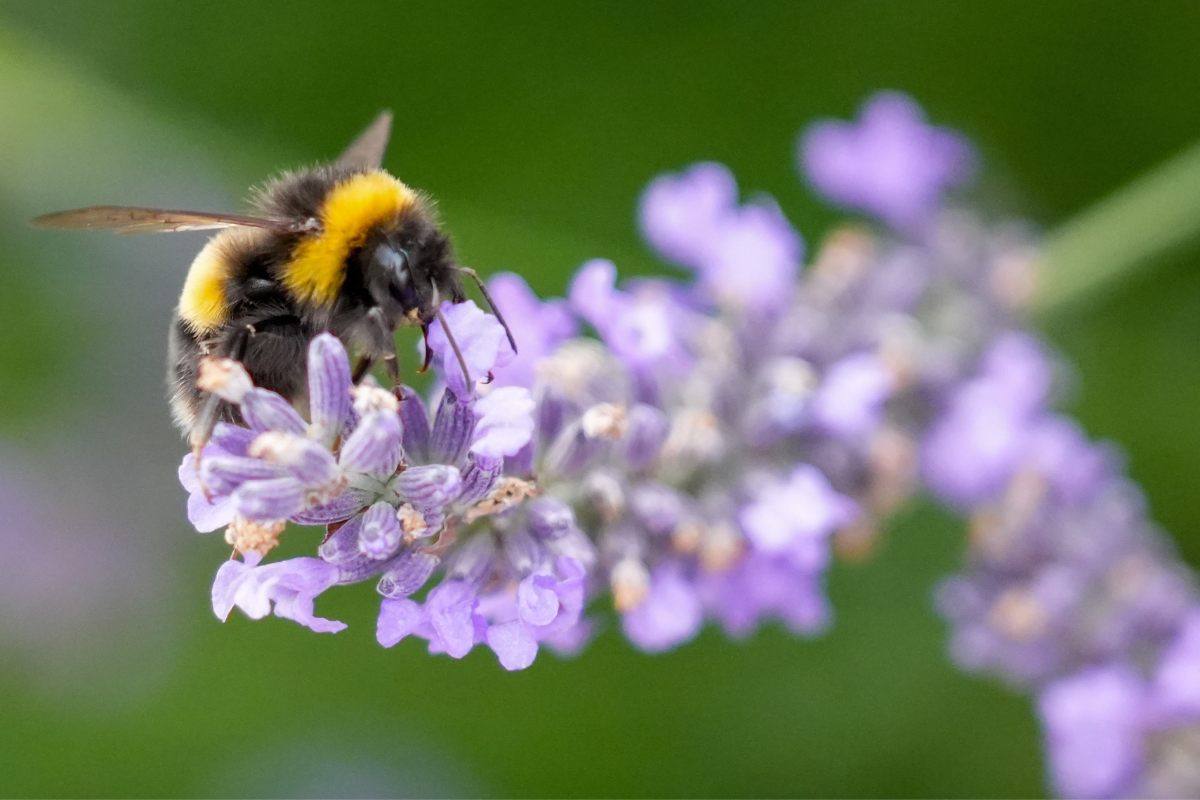
A bee hotel boosts garden biodiversity by offering solitary bees and other insects safe nesting sites and shelter. These tiny pollinators increase fruit and seed for flowers, vegetables and shrubs, strengthening plant health and yields.
The structure of hollow stems, tubes or holes also supports species that do not live in colonies and whose numbers have declined due to habitat loss.