
This year’s standout winners prove how design can transform everyday experiences and reconnect communities
The Scottish Design Awards proudly announced its 2026 winners, showcasing the country’s best design, architecture, and creativity.
This year’s judges have honoured projects that go beyond aesthetics to improve the lives of the people who use them, recognising thoughtful detail, sustainable practices, and community impact. Winners span from sensitively restored landmarks in the Highlands, where conservation preserves history and landscape, to inspiring design renovations across the Central Belt, celebrating modern craftsmanship.
Here we spotlight five key categories including Craft, Conservation, Future Building or Project, Interior Design, and Residential.
Craft winner: Old Town Chambers
Designer: S+Co
Old Town Chambers is one of Edinburgh’s most characterful boutique hotels, tucked into the heart of the capital just off the Royal Mile.
Now it’s being recognised for its locally rooted rebrand that spotlights the stories of the site’s artists, writers, makers and merchants by weaving their histories into the hotel’s craft-led identity.
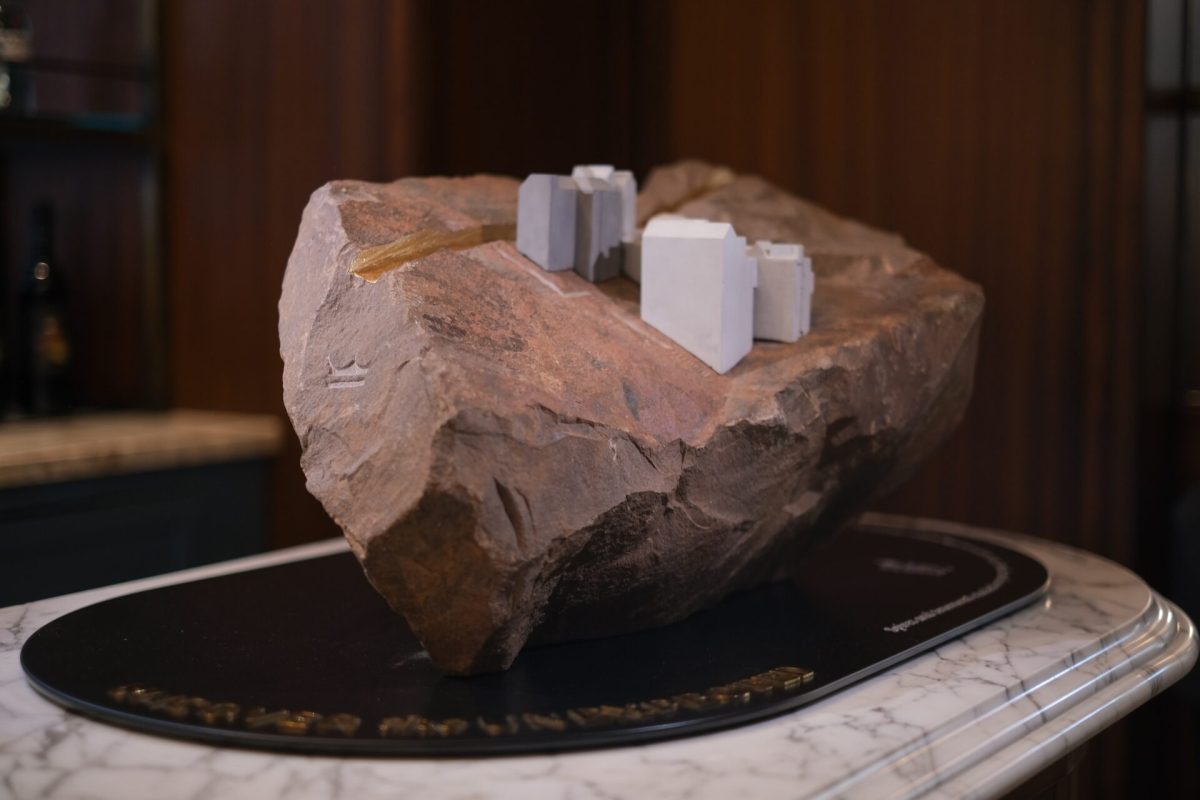
Designers sourced Arthur’s Seat volcanic stone for The Mark, hand‑carved with symbolic motifs, a miniature Chambers and painted poetry.
Bespoke signage and an architectural, carved logo nod to the original stone fabric by mirroring masonry in form, texture, and carved details. Locally produced woodcut prints, maps and notebooks carry that same handcrafted sensibility into guest collateral.
The project brings together sculpture, carving, printmaking, typography and model‑making by pairing tactile materials with traditional craft to celebrate Edinburgh’s heritage and local makers’ skills.
Conservation winner: John O’Groats Mill
Architect: McGregor Bowes
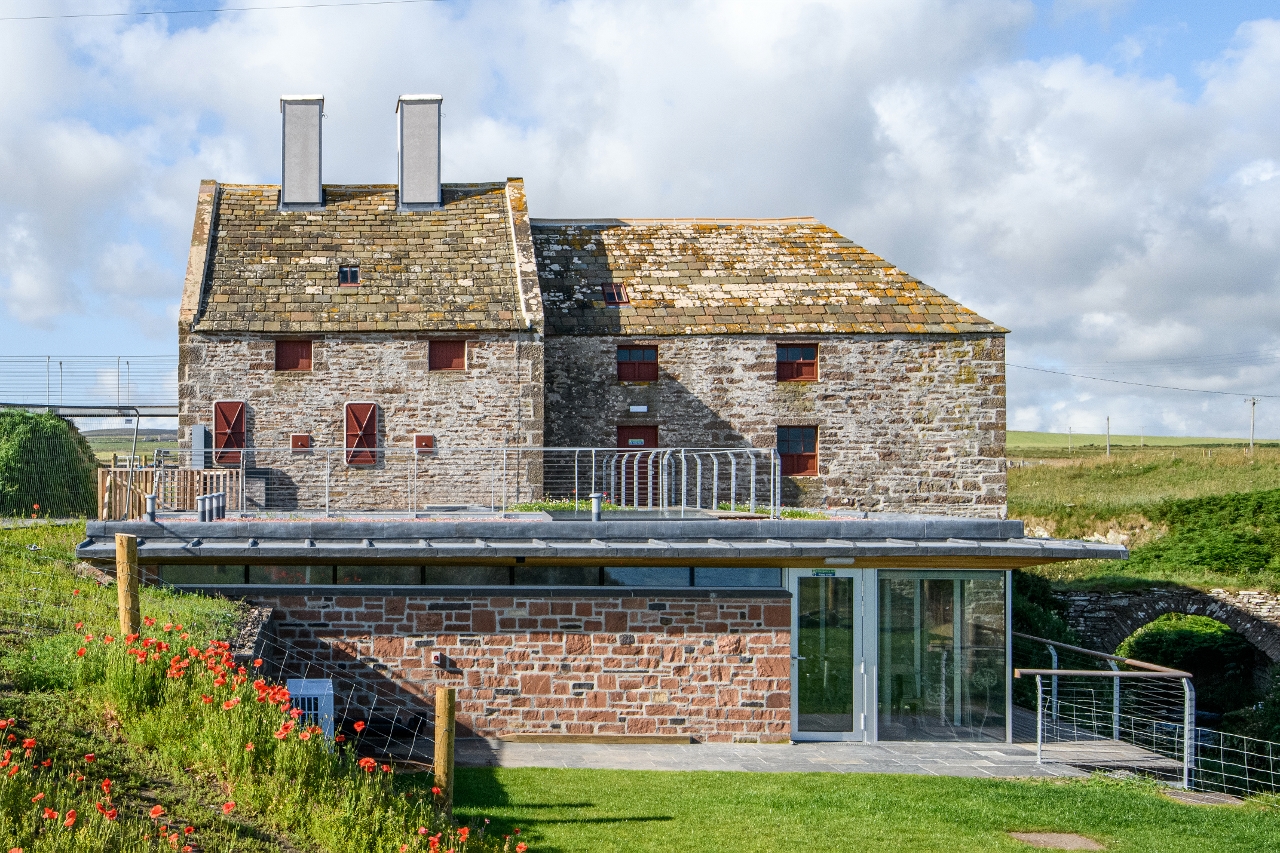
John O’Groats Mill won the Conservation award for its community‑led rescue and sensitive restoration of the Category B‑listed landmark.
The iconic site spent decades at risk before slipping onto the Buildings at Risk Register, after sitting on the dramatic coastline since 1901.
A £4.9 million restoration project was launched to stabilise original stonework and timber, without sacrificing the building’s industrial character.
This meant restoring the waterwheel and milling gear to working order and salvaging staircase treads. New insertions also reduce embodied carbon while preserving the building’s architectural legacy and framed views to the Pentland Firth.
Residential – Single Home winner: Grianan
Designer: Cameron Webster Architects
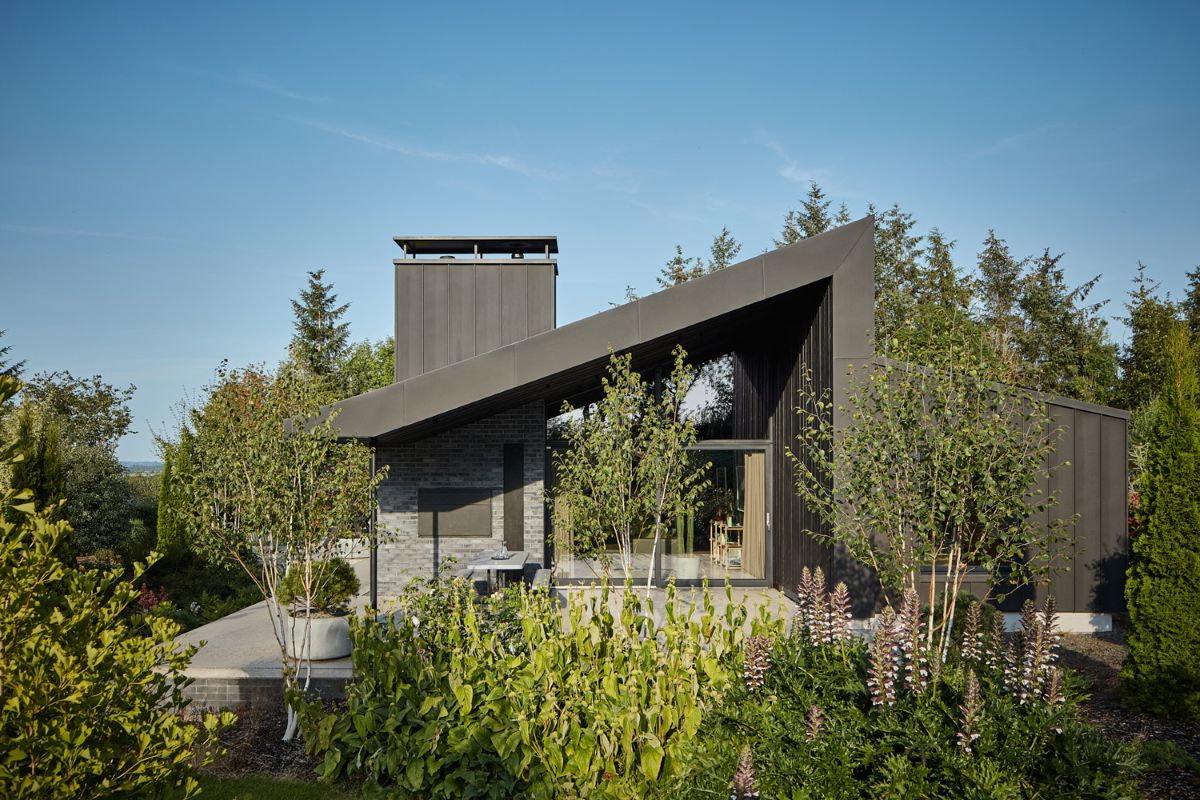
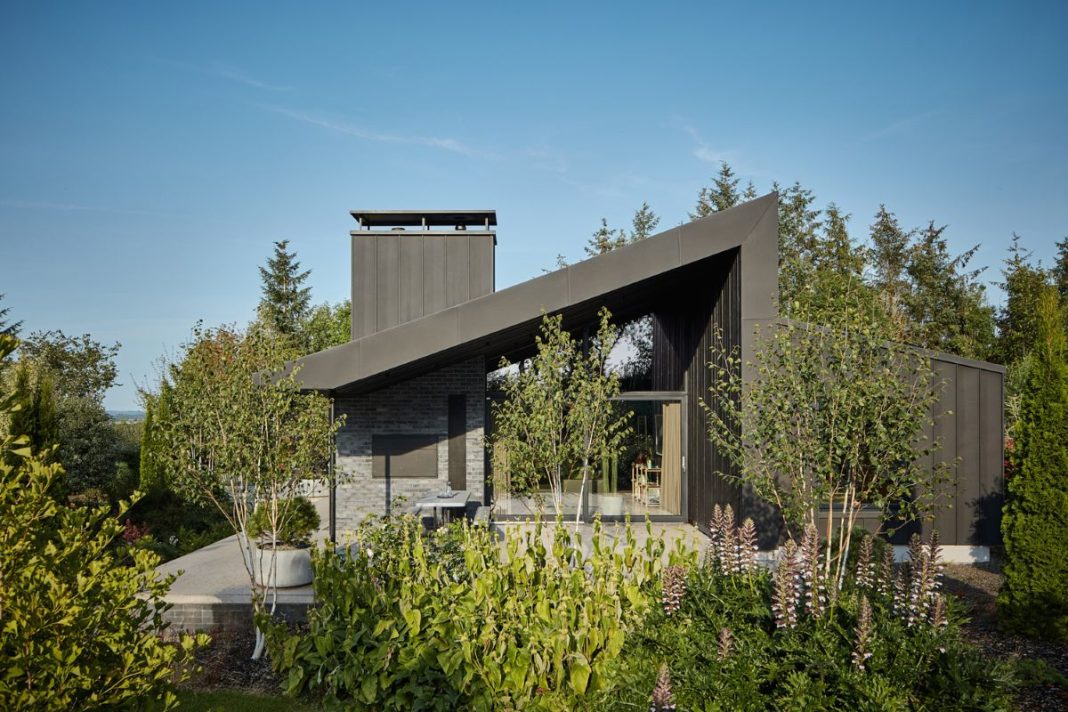
An award‑winning sanctuary set within a beautifully landscaped garden, this two‑bedroom new‑build is shaped around light and warmth.
The long, low, corridor‑free single‑storey plan draws south light deep into the rooms through clerestory windows and a screened southeast entrance, while a glazed northwest façade frames Ben Ledi and the Trossachs.
Bedrooms sit adjacent to living areas for seamless flow, and every nook is put to use.
A restrained palette of zinc, varied thermopine boarding, polished concrete and bespoke joinery gives a modest, refined finish that quietly celebrates sunlit views and the surrounding landscape.
Grianan, meaning “sunny place” in Gaelic is a fitting name, capturing the welcoming and peaceful atmosphere the design creates.
Interior Design winner: Brown’s of Leith
Designer: GRAS
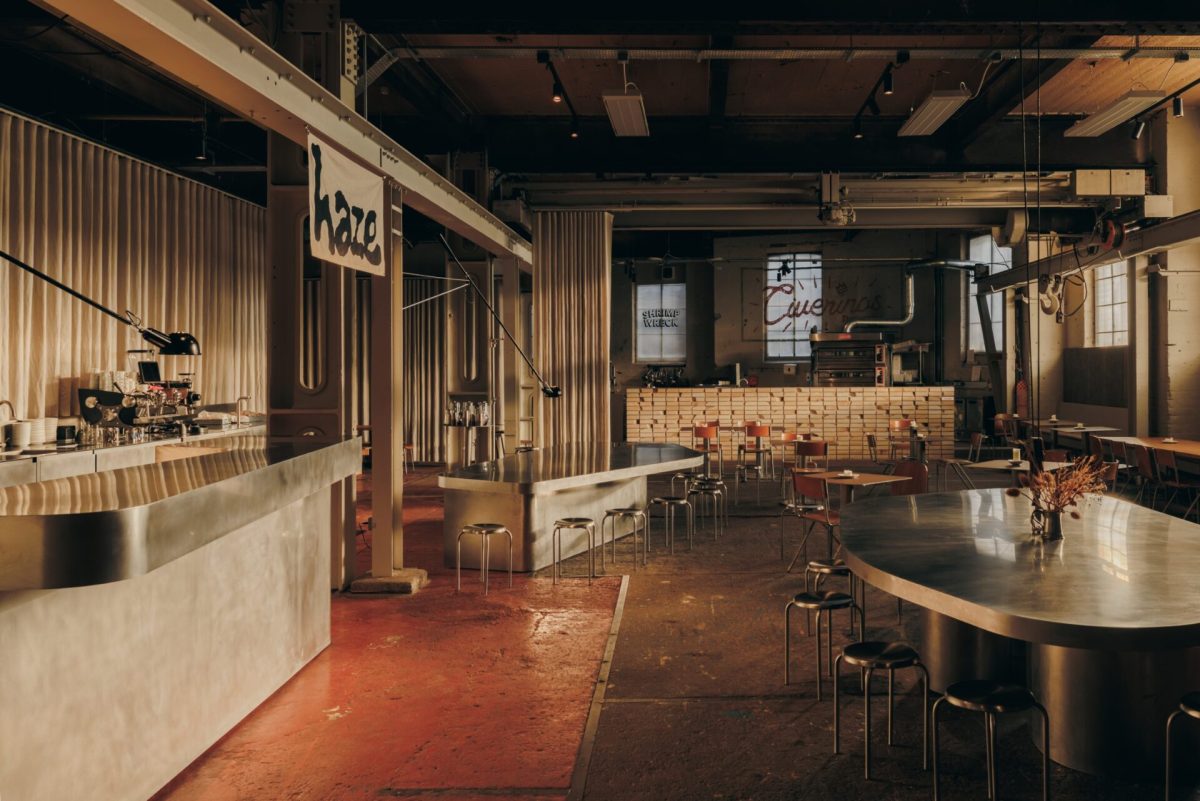
Having served as a metalworking site for over 130 years, the protected building now draws on that rich metalcraft heritage for creative inspiration.
Brown’s of Leith won the Interior Design award for its sensitive transformation of a Category B‑listed warehouse into a communal, social and creative hub.
The design protects the property’s industrial legacy by preserving brick while also introducing durable insertions in stainless steel, reclaimed sandstone, and linen.
Future Building or Project winner: North Sutherland Health and Social Care Hub
Architect: OCA Studio
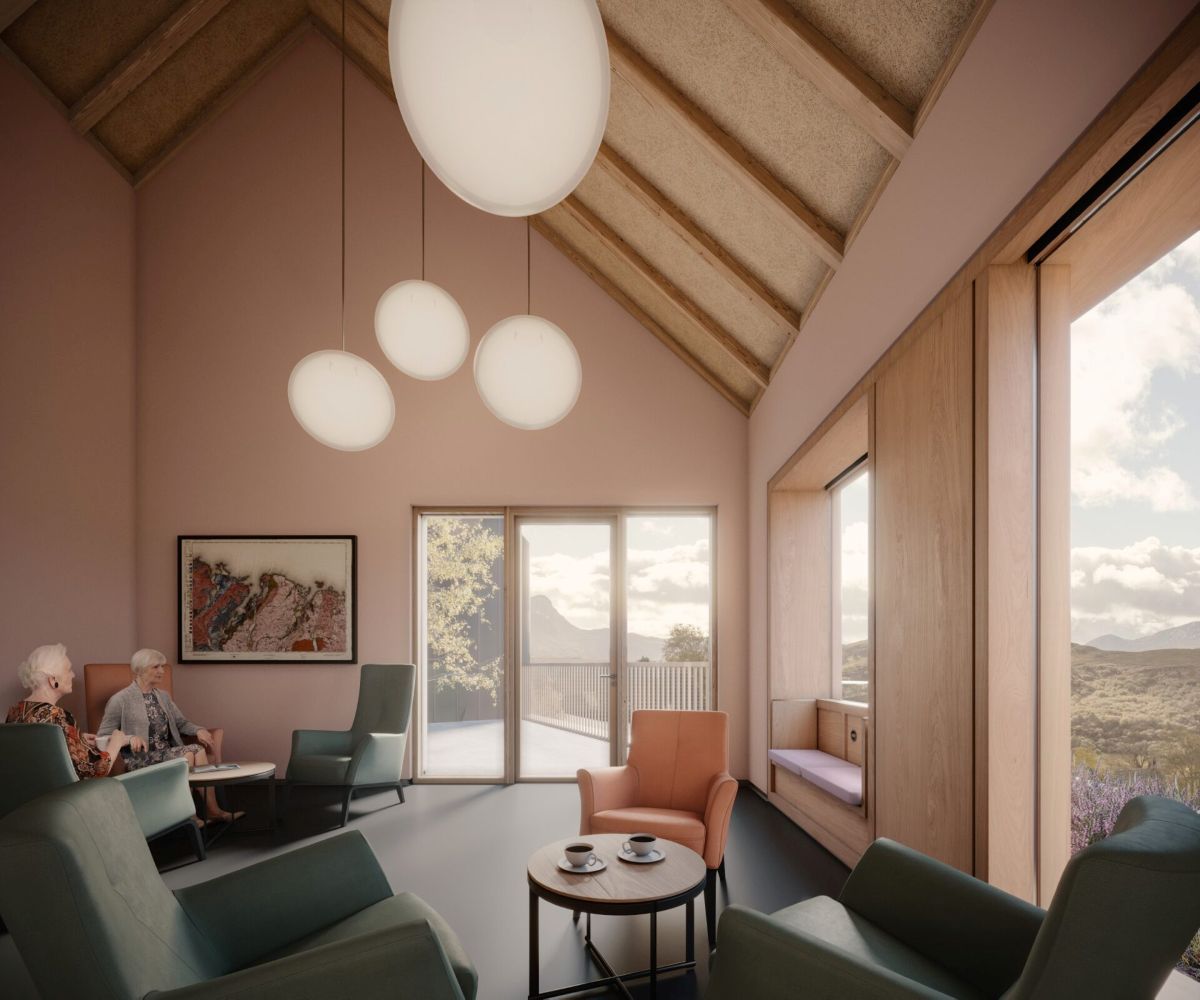
North Sutherland Health and Social Care Hub won the Future category for its model of rural healthcare that unites a care home, GP surgery, and integrated services in one resilient building.
The development prioritises wellbeing and independence by placing residents’ accommodation entirely on the upper level for maximum light, outlook and outdoor access.
Stepped into the hillside, the project connects to landscape by framing sweeping views across the Kyle of Tongue to Castle Varrich and Ben Loyal. A planted courtyard, sensory gardens, and terraces also provide safe walking routes and sheltered gathering places.
Generous rooms with small kitchenettes and crafted hardwood “inhabited windows” give residents autonomy and everyday comforts. Corridors are wide and naturally lit turning them into sociable, therapeutic spaces for sitting, reading and conversation.
Enjoyed reading about the Scottish Design Awards winners? Read about more designs that caught the judges’ eyes below.
Inside five historic buildings up for Scottish Design Awards 2026