

These five Scottish landmarks have been nominated for the Scottish Design Awards’ conservation prize — here is how they have stood the test of time
For nearly three decades, the Scottish Design Awards has championed the country’s best architecture, design and craft. At the awards ceremony this month, a panel of industry experts will name Scotland’s most outstanding conservation project. From a clifftop castle to the world’s oldest student union, these five nominees prove that sensitive restoration is an art form in itself.
1. Preston Tower, Doocot & Gardens in East Lothian
Architect: GRAS
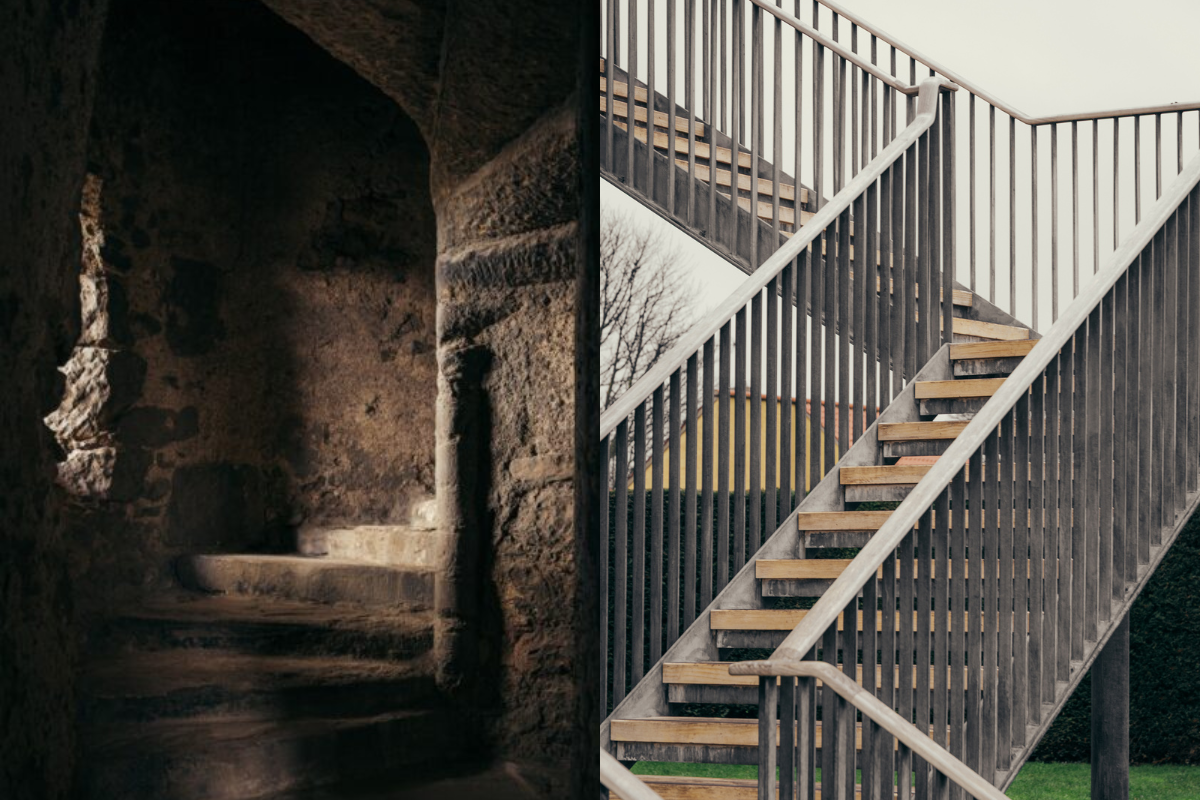
For decades, a key element of this Scottish landmark was off limits to visitors, but now it has finally been unlocked.
Preston Tower is welcoming explorers inside for the first time in generations thanks to impressive conservation efforts by GRAS.
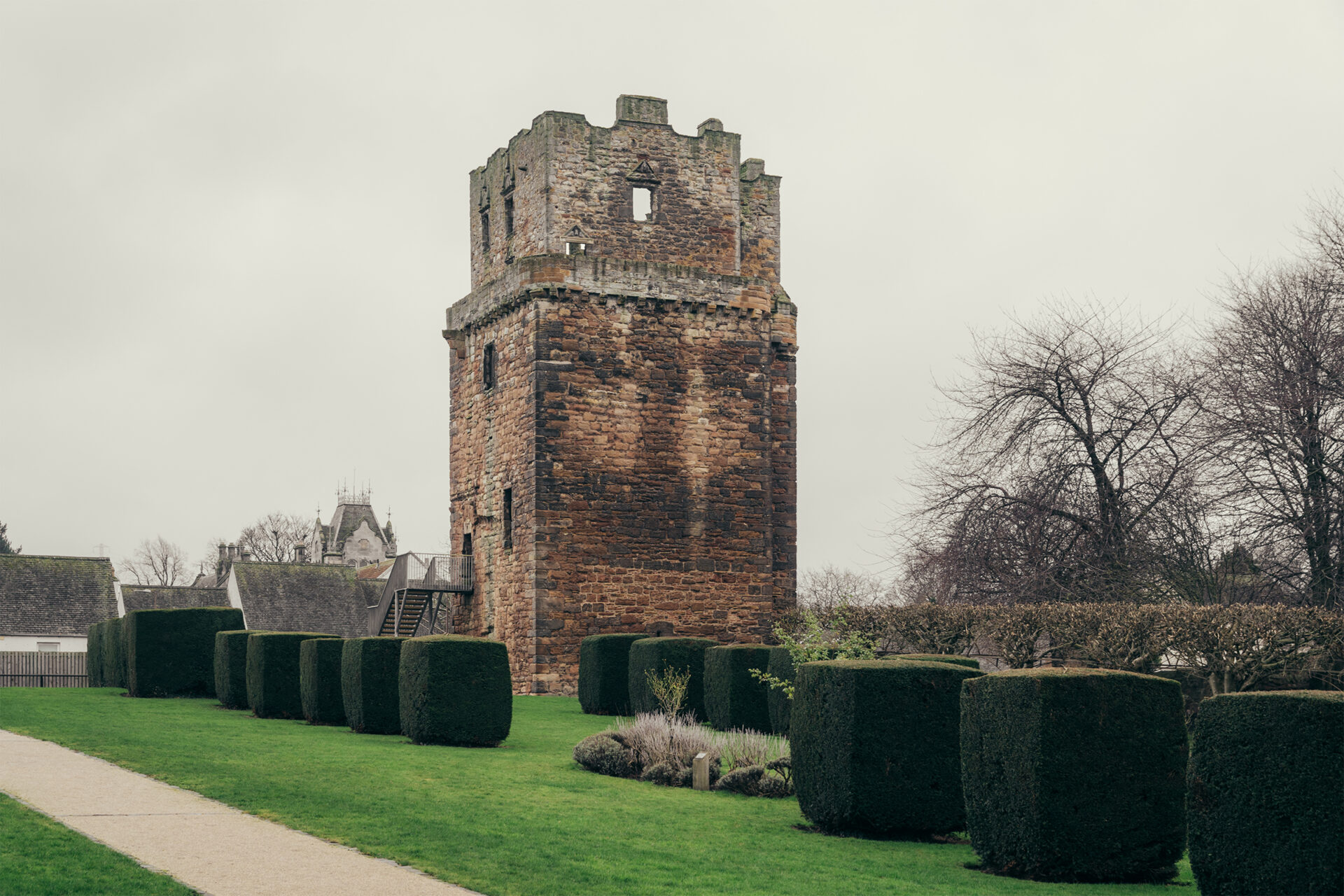
Architects prioritised a light touch approach while taking on the 15th century building by installing a new external staircase to open the first-floor interior. By focusing on a series of modest but game changing interventions, the heritage site held its historic fabric while reconnecting it with the community.
The team also repaired the Doocot and boundary walls, introduced accessible paths, improved landscaping, and added interpretation including an art trail. The project stands out for its balance of repair, access and community ownership.
2. Saddell Castle in Kintyre
Architect: ZM Architecture
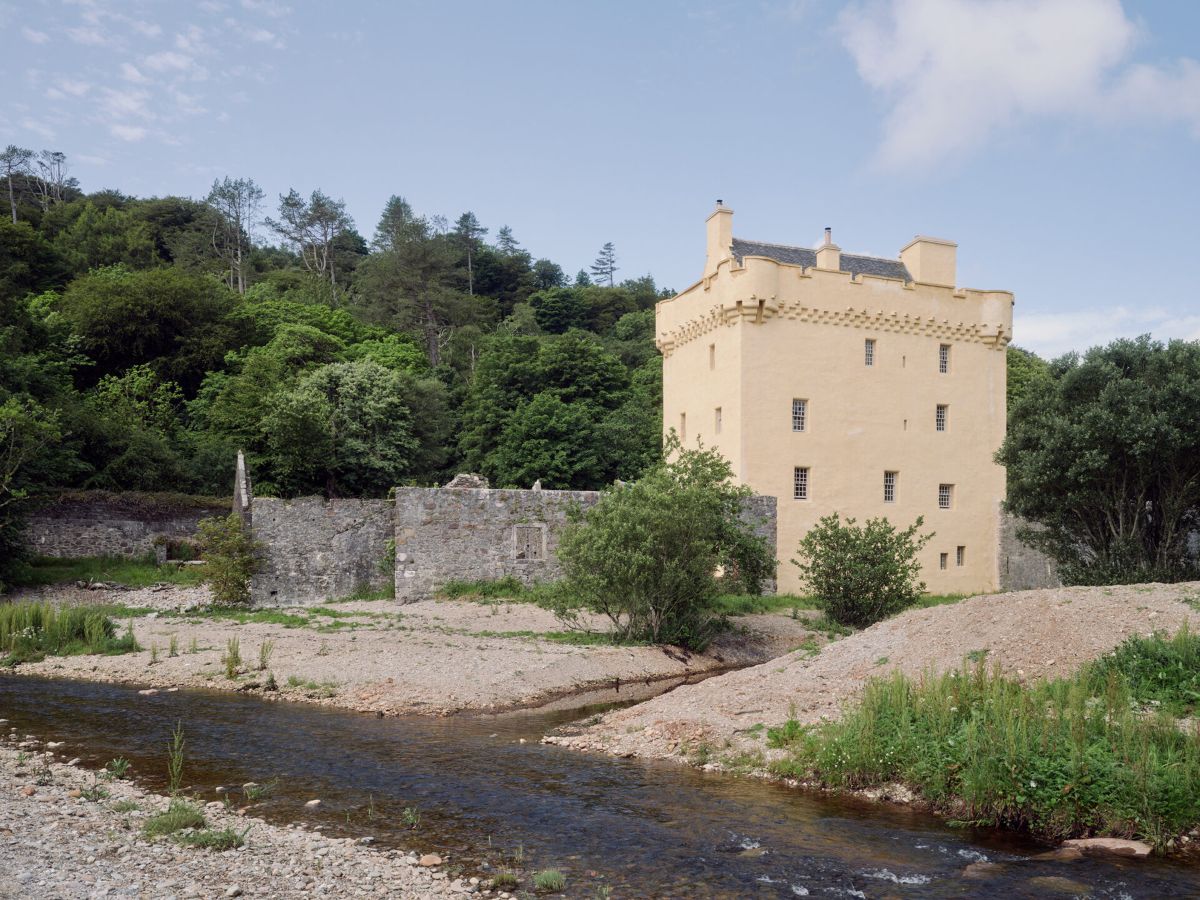
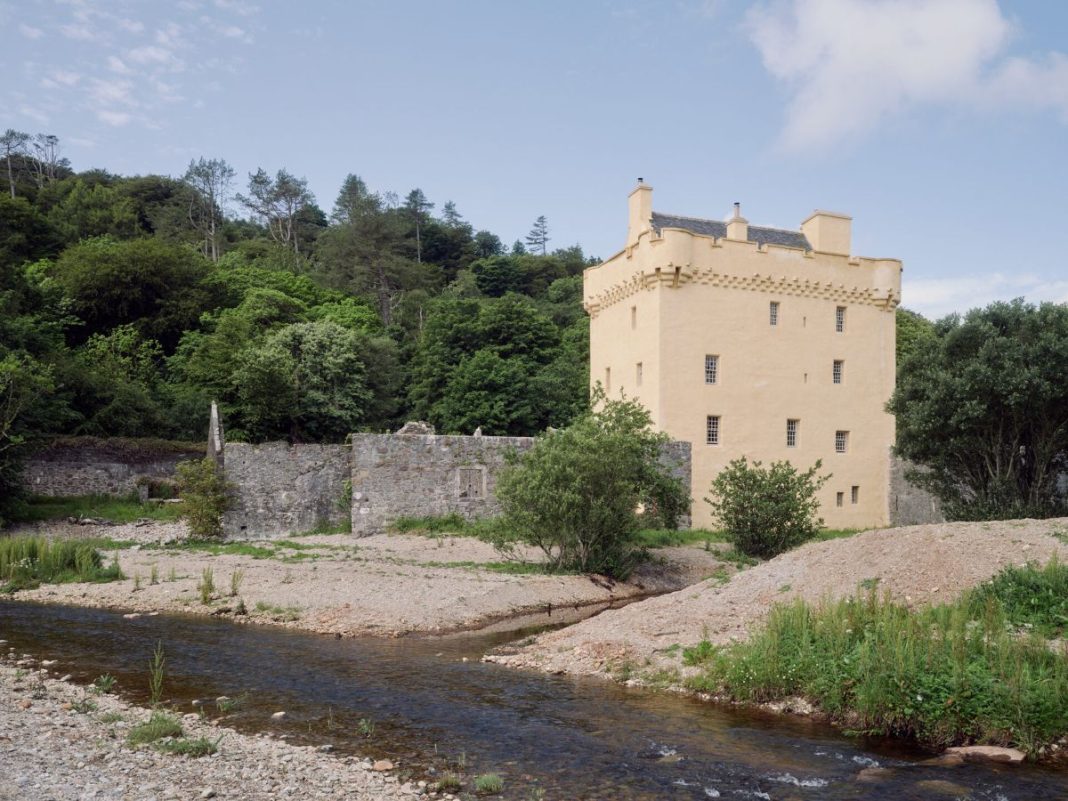
Perched above Kilbrannan Sound, Saddell Castle has stood tall for more than 500 years surviving wars and brutal Scottish weather.
The site has been one of The Landmark Trust’s best-loved properties, but after nearly 50 years since its earlier restoration it needed serious attention.
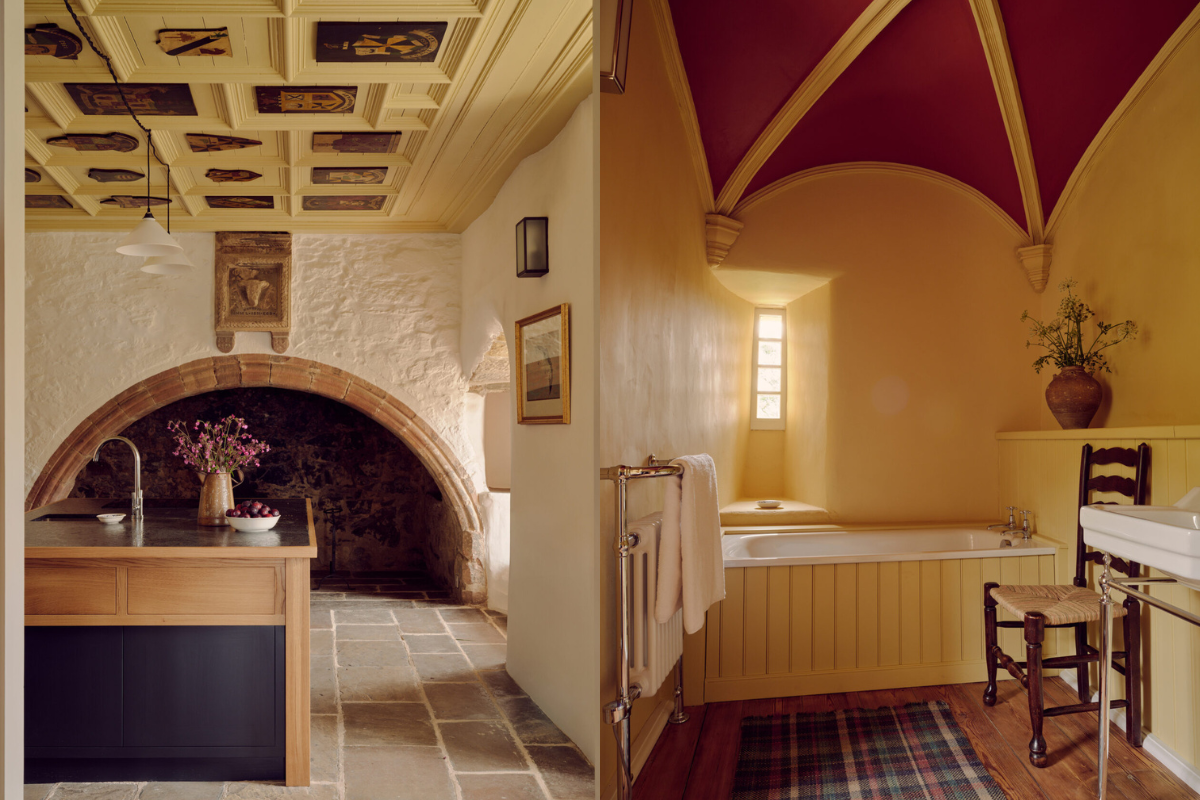
ZM Architecture took on the task by combining traditional conservation with carefully judged upgrades bringing it into the modern world. Specialist craftspeople conserved historic features, while new materials were selected for breathability and compatibility with the old structure.
The Scottish Design Awards nominated the project after being impressed by its programmatical, formal and spatially rich design.
3. Northern Meeting Park in Inverness
Construction: Morrison Construction
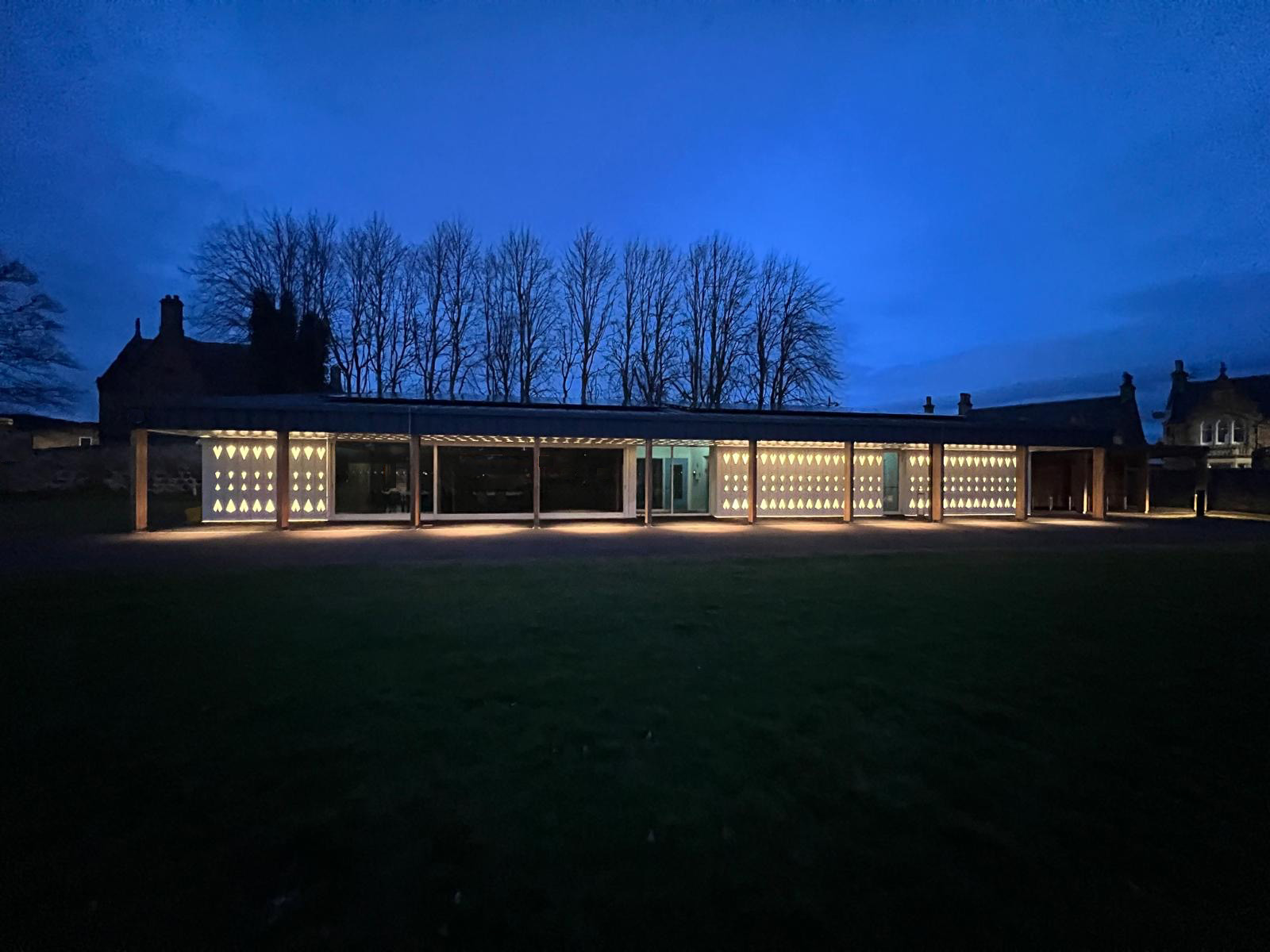
This project prioritises both historic repair and serious sustainability ambitions, ensuring old and new can sit side by side in this Scottish park.
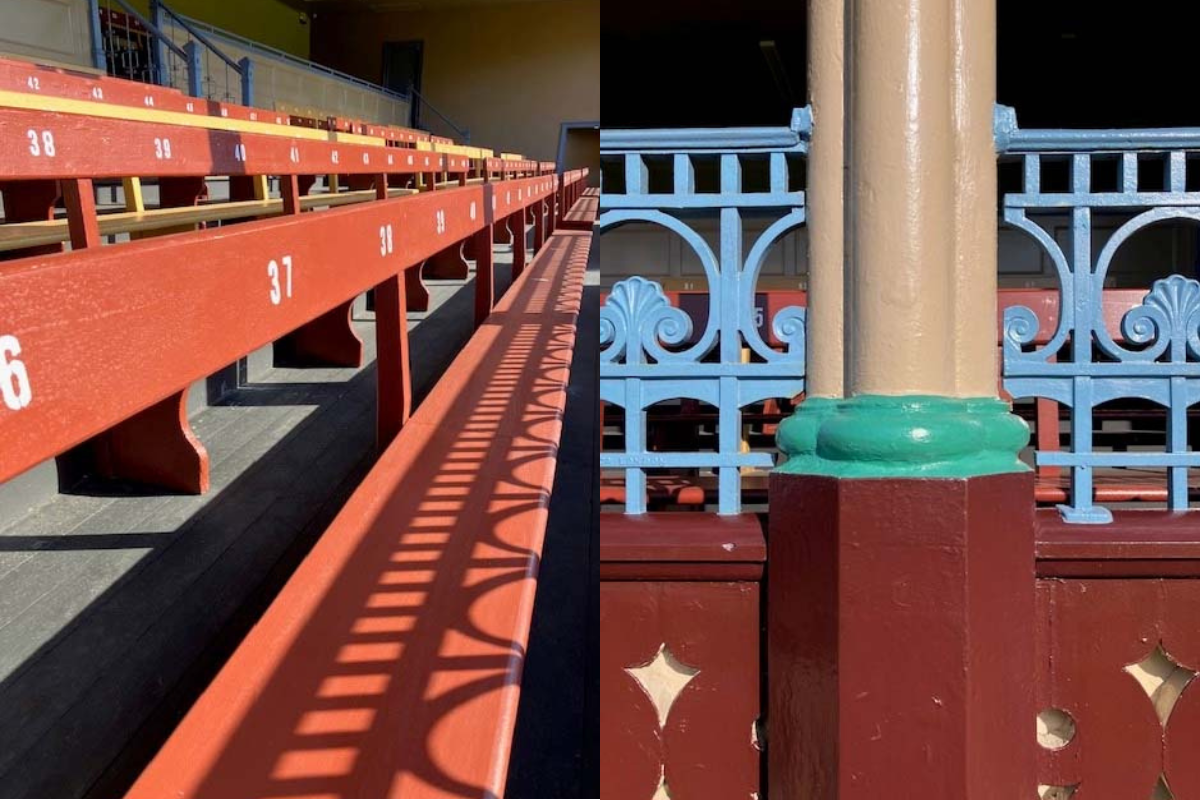
Northern Meeting Park in Inverness saw its 1864 grandstand transformed back to its original glory and decorative colour palette, which was discovered through paint analysis with Historic Environment Scotland.
A new community pavilion was also introduced with plywood linings, polished concrete floors and a metal screen with an ornamental pattern which echoes the grandstand’s original ironwork.
A photovoltaic roof and air source heat pump also bring the pavilion to a Net Zero EPC rating of A+. The eco-friendly focus comes as part of the city’s ambitious Zero Carbon Cultural Regeneration Programme.
4. Teviot Row House in Edinburgh
Architect: Page\Park Architects
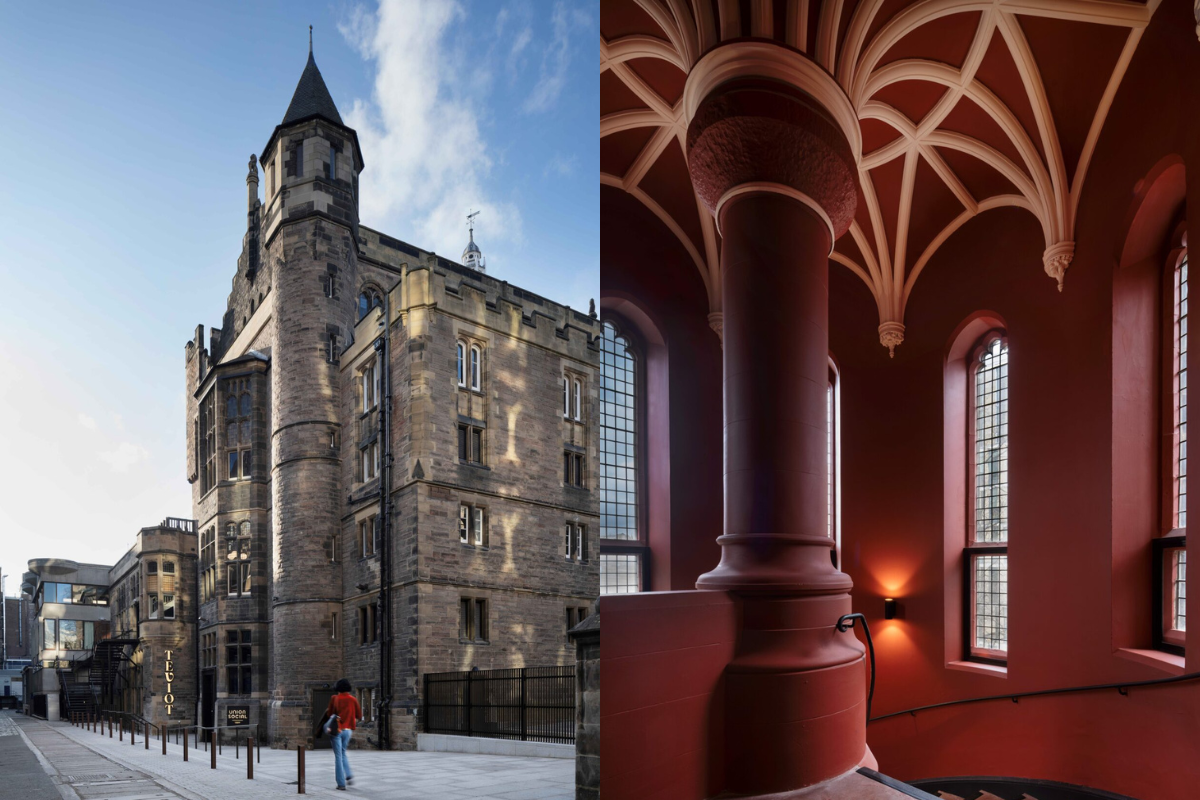
The world’s oldest purpose-built student union is in the spotlight for prioritising social as well as architectural conservation.
Teviot Row House has remained at the heart of student life since opening in 1889 and was first extended in Edwardian times, then again in 1962. Page/Park Architects‘ most recent revamp was rooted in understanding the Victorian structure’s layered history rather than simplifying it.
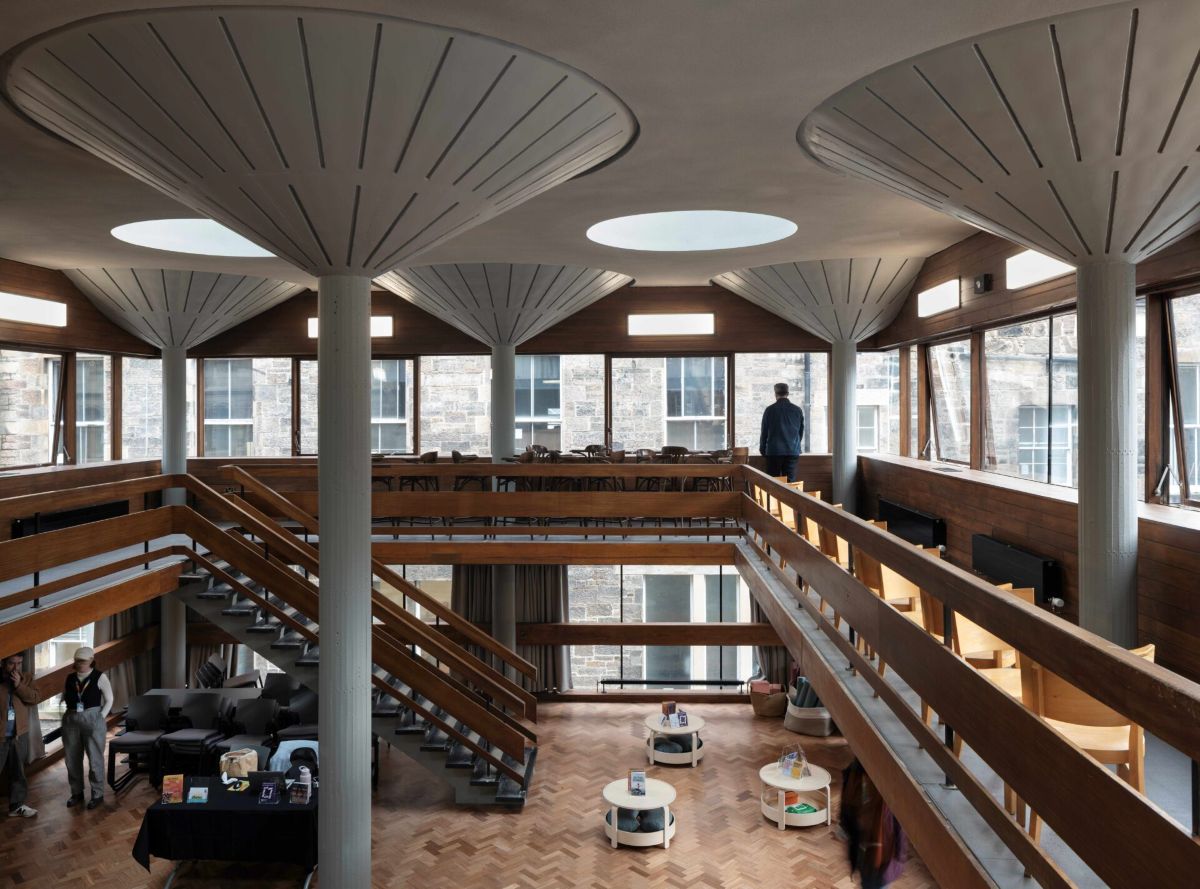
This included carefully reinstating original plasterwork, leaded glass and terrazzo floors. Accessibility was also central to the scheme: step-free access through the main entrance on Bristo Square was introduced for the first time in the building’s history.
5. John O’Groats Mill in Caithness
Architect: McGregor Bowes
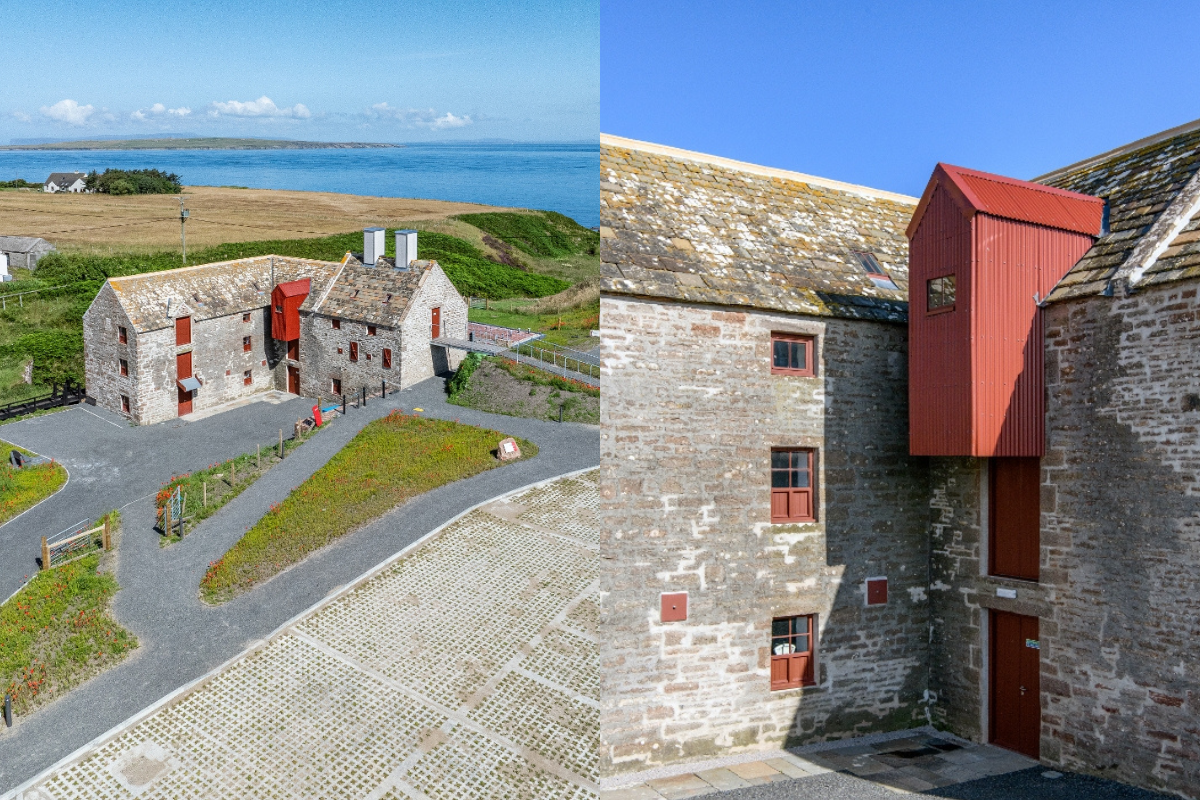
John O’Groats Mill is one of Scotland’s most northerly landmarks, occupying a dramatic coastal setting at the edge of the mainland since 1901.
After the miller’s death in 2001, the Category B-listed grain mill fell silent, slipped onto the Buildings at Risk Register and edged toward collapse. This sense of jeopardy shaped every design decision in its reinvention as the community came together and launched a £4.9 million restoration project.
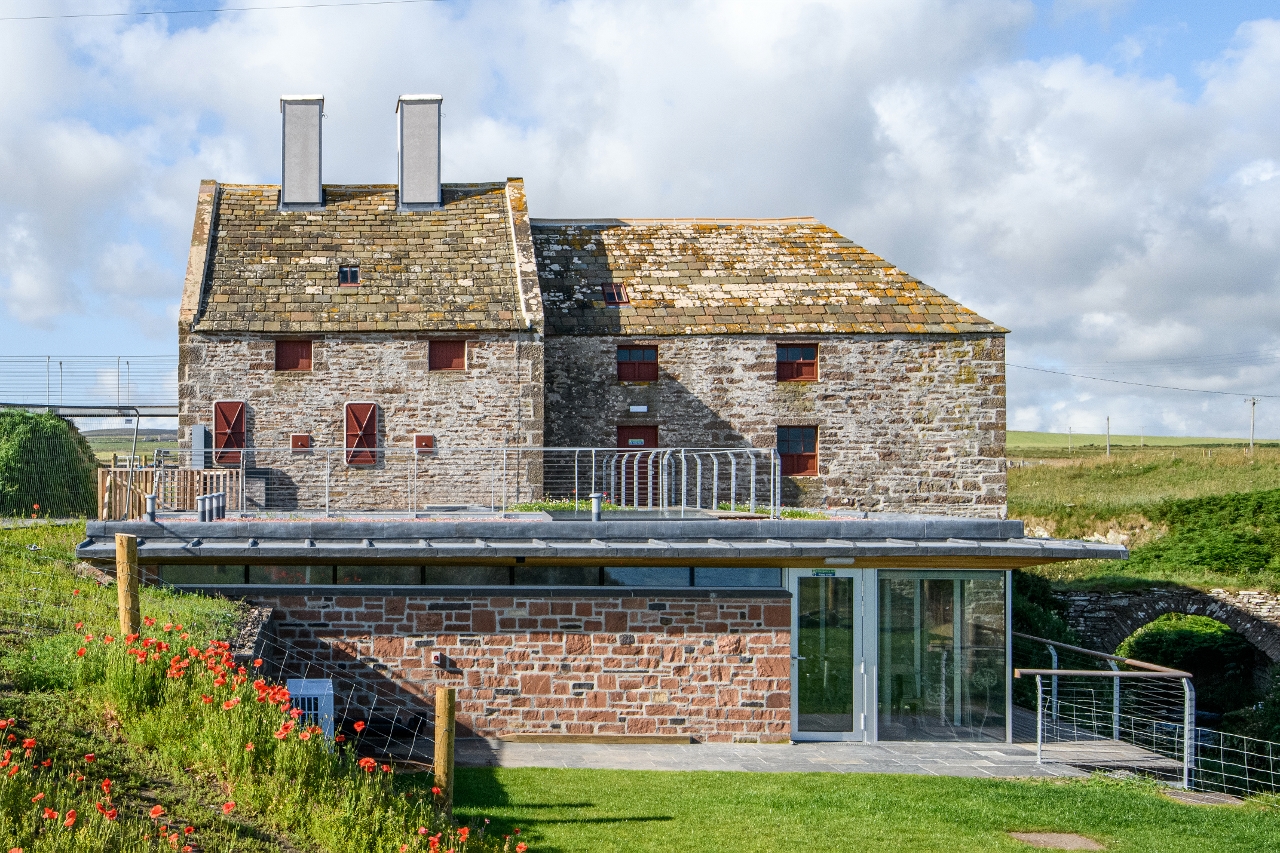
Completed in 2025, the site has transformed into a visitor destination, but retains its rural soul. Original stone walls and timber structures were carefully repaired while the water wheel and milling gears were restored to working order. A new extension also opens to a terrace above the Burn of Duncansby that frames views to the Pentland Firth.