

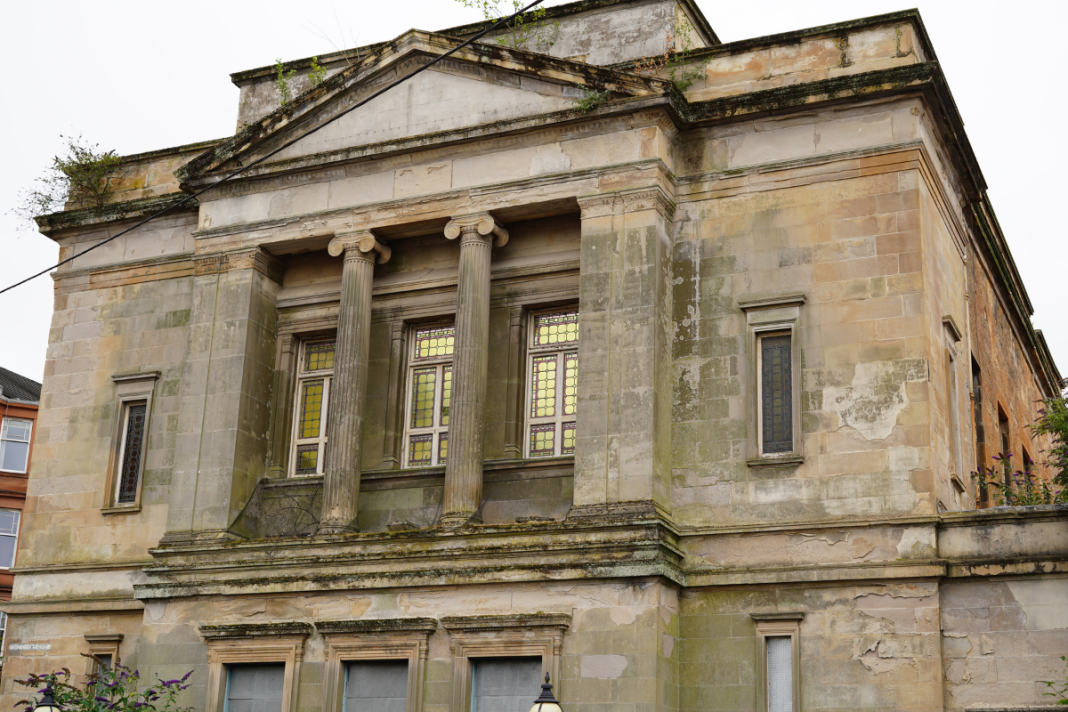
Was Hillhead Baptist Church’s fate sealed before demolition? Lessons for protecting Scotland’s architecture
“It’s always sad to see a beautiful building die,” sighs a gloomy Glasgow resident while looking at what is left of Hillhead Baptist Church. “It was such an important part of the community, but it feels like we have been forced to watch it rot.”
After standing in the West End for 143 years, the city is mourning the historic category B-listed landmark which is being pulled down to make 32 flats by Wemyss Properties. But when the dust settles one question will remain; was it actually doomed long before any demolition plans?
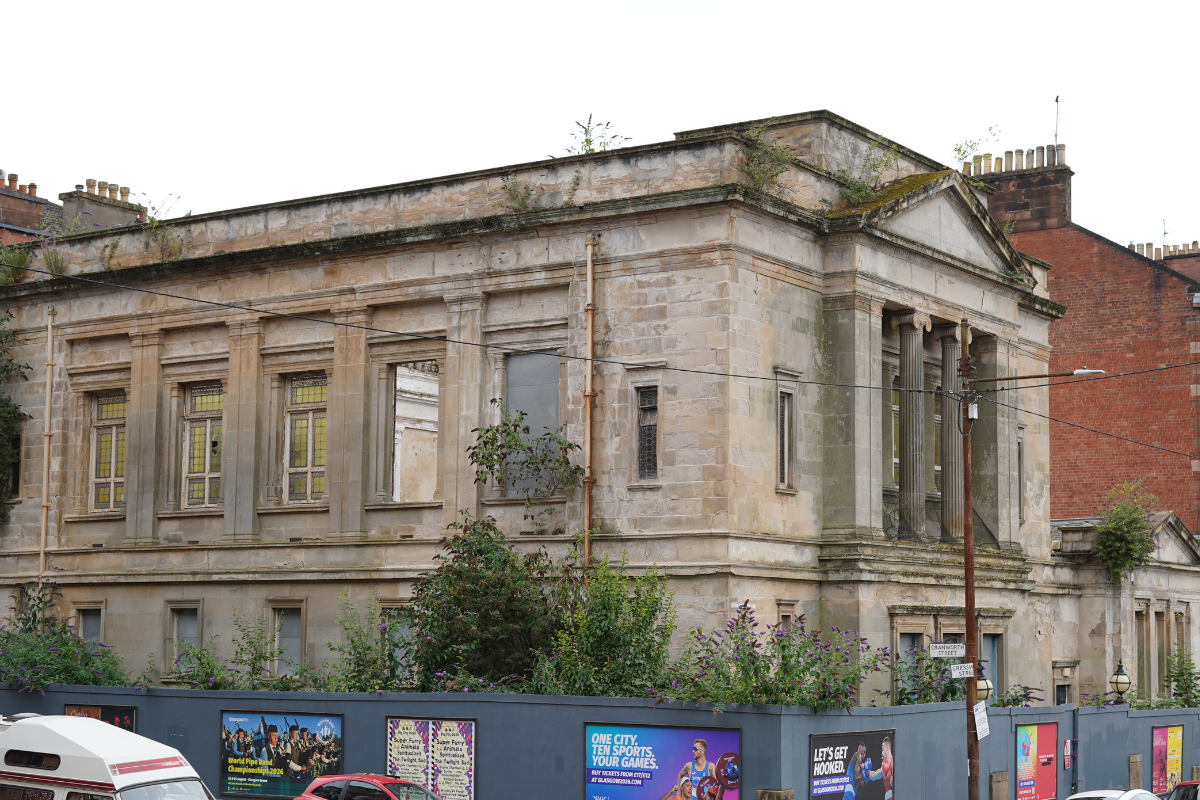
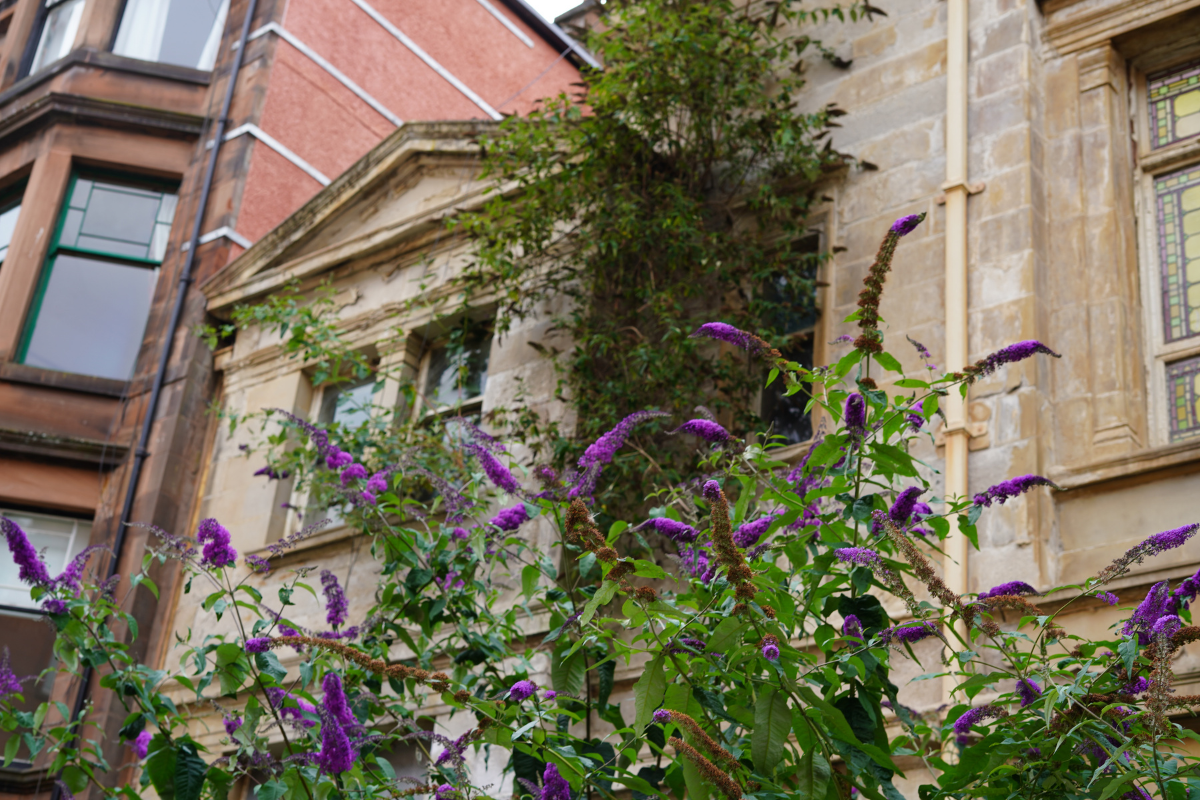
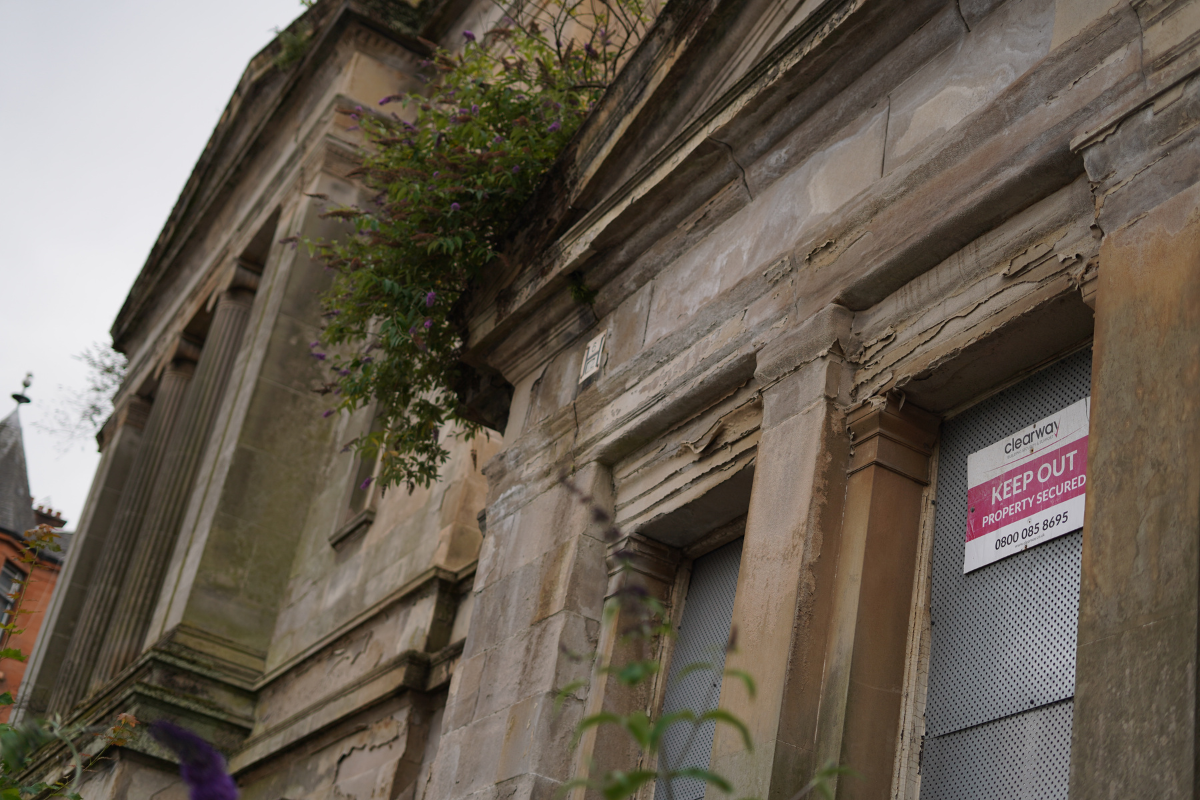
Built in 1883 by Scottish architect and interior designer Thomas Lennox Watson, the building’s iconic columns and bold façade gave the community a grand Greek-style temple to worship. Today, you will find those same features now worn down to just a desecrated edifice.
Its once polished blonde sandstone and marble floors now crumble behind a dull grey wooden fortress, plastered with signs warning “keep out” and “no access”.
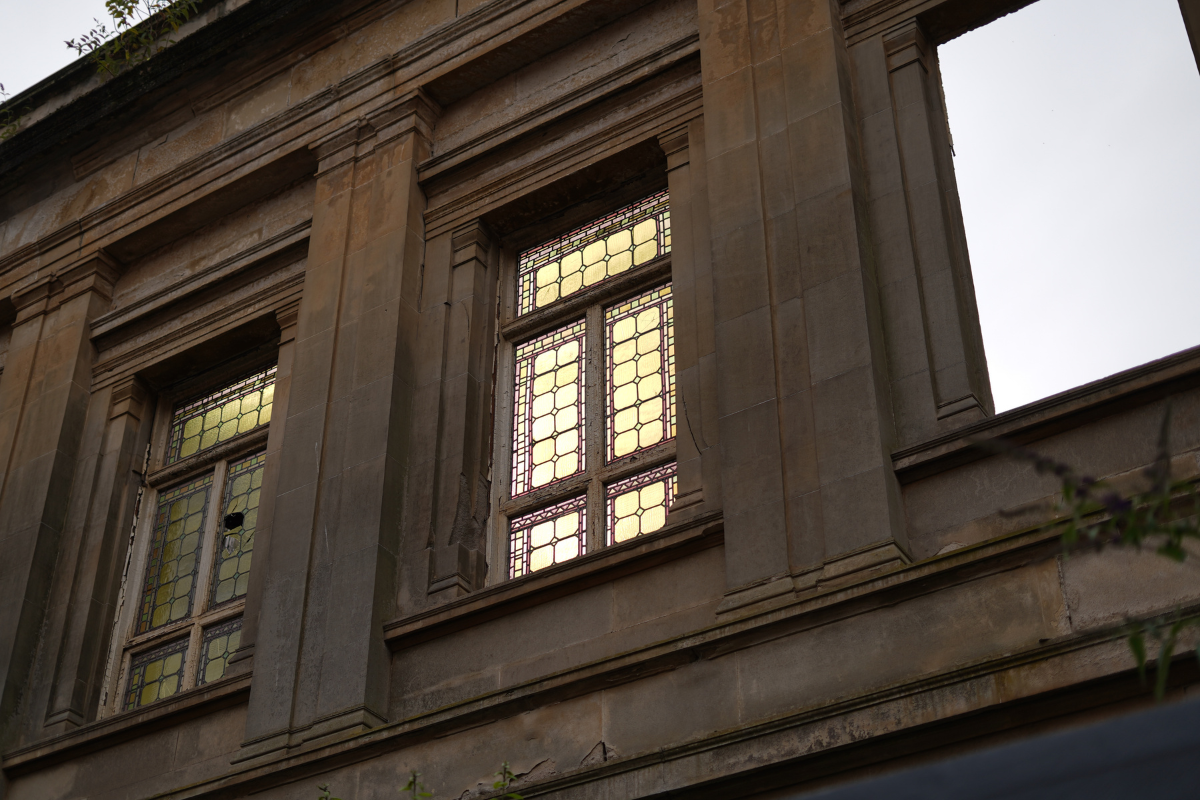
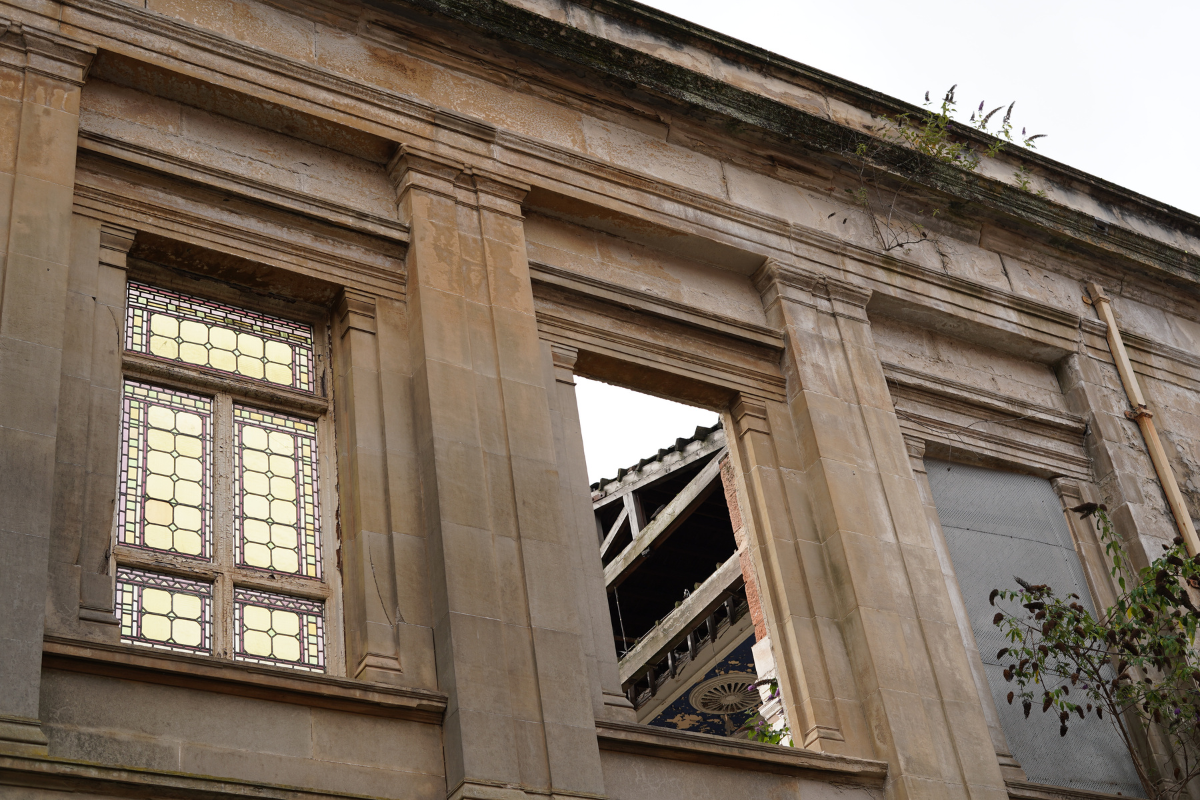
The smashed stained-glass windows still glow when the sun touches them, casting light across the ruined interior and decorative stonework which were created by some of Victorian Britain’s finest craftspeople.
No one has been allowed inside since its congregation left in 2004, due to large falling chunks of plaster making it unsafe for public gathering, shutting its heavy doors for good.
Alarm bells had rang out for the church four years earlier, in a Historic Scotland survey which exposed severe structural and fabric complications, along with major settlement problems. Yet, no large-scale physical repairs were carried out to protect it.
“If these issues had been resolved in 2000 then we may not be in this position now,” suggests Chris Coleman-Smith, a director at Thomas Robinson Architects. “This project hasn’t happened overnight, it has taken years.”
A major concern flagged in the report found the roof was flawed from the start, pushing down on the facade, sparking fears that the pressure could cause masonry to fall onto the street.
Despite this early alert, it wouldn’t be until more than two decades later in January 2022 that the roof would be removed. Wemyss Properties had notified the council just one month earlier, insisting it was an emergency necessary for public safety. However, no retrospective listed building consent was sought and no protective measures were put in place.
“In some ways, the fate of this building was sealed when the roof came off,” says David Cook, Chief Executive of the Glasgow Building Preservation Trust. “Without that structure it isn’t protected from the weather and the entire stability is undermined. This can make it dangerous and harder to be saved, due to expenses and damage.”
It isn’t cheap to renovate a historic site, especially when existing buildings in the UK currently carry a 20% VAT, while new-build homes are often zero-rated.
In some cases, that extra cost could tempt potential owners toward demolition or neglect instead of restoration.
“The fundamental issue that we are dealing with when it comes to existing buildings is the fiscal abomination that exists,” explains Matt Loader, founding director of Loader Monteith Architects. “The tax system we operate within at the moment is completely bent away from protecting our heritage.”
Glasgow City Council has asked the UK Government to reduce this VAT on renovation and supports the use of other tax based incentives. The local authority maintained that the crucial key for the long-term protection of Glasgow’s built heritage is dependent on “viable economic uses” for historic buildings.
A spokesperson for Glasgow City Council explained: “While statutory powers play an important role, experience shows that successful conservation outcomes are most often achieved where planning policy, investment, funding, partnership working and sustainable new uses align to secure the future of historic assets.”
Wemyss Properties became a partner in 2017 with proposals to build flats and retain part of the building, but later scrapped this idea citing the additional cost due to advanced deterioration.
However, a 2025 planning application shows that they were still predicted to make a profit (2.66%) by retaining the portico, but full demolition would deliver a higher return (15.58%).
“It is entirely reasonable why developers do things in order to make a profit, but our historic buildings have to be given the strongest chance to succeed.” Mr Loader says. “It is hard to say if overall this project was given that opportunity.”
The final nail in the church’s coffin was hammered home last month, as developers won permission for full demolition plans, despite more than 300 objections. The move makes Hillhead Baptist Church the latest cautionary tale for Glasgow’s heritage landmarks, after the city already lost icons like the India Building and The Glasgow School of Art.
It is still hoped that iconic features such as columns and windows will be salvaged and displayed in a garden, offering a tangible reminder of the importance of protecting our architecture before the building is lost forever.
The UK Government and Wemyss Properties were both contacted for comment.
Looking for more architecture news? Click here to learn how one dad reinvented what a Scottish family home looks like
How one dad transformed his tenement flat into an award-winning family home