
Interior designer Hubert Zandberg has spent decades writing design stories for these treasured clients. This, he says, is the masterpiece
Hubert Zandberg once sat on a design panel where an audience member asked, “What should you do if a relative bequeaths you a hideous clock?” One panellist started talking about ways to hide it. “And while I didn’t say it out loud,” says Hubert, “I was thinking, ‘Well, no. You put it in a Plexi box and make it ironic.’ Present it so that people understand it’s a conversation piece. Part of your story.”
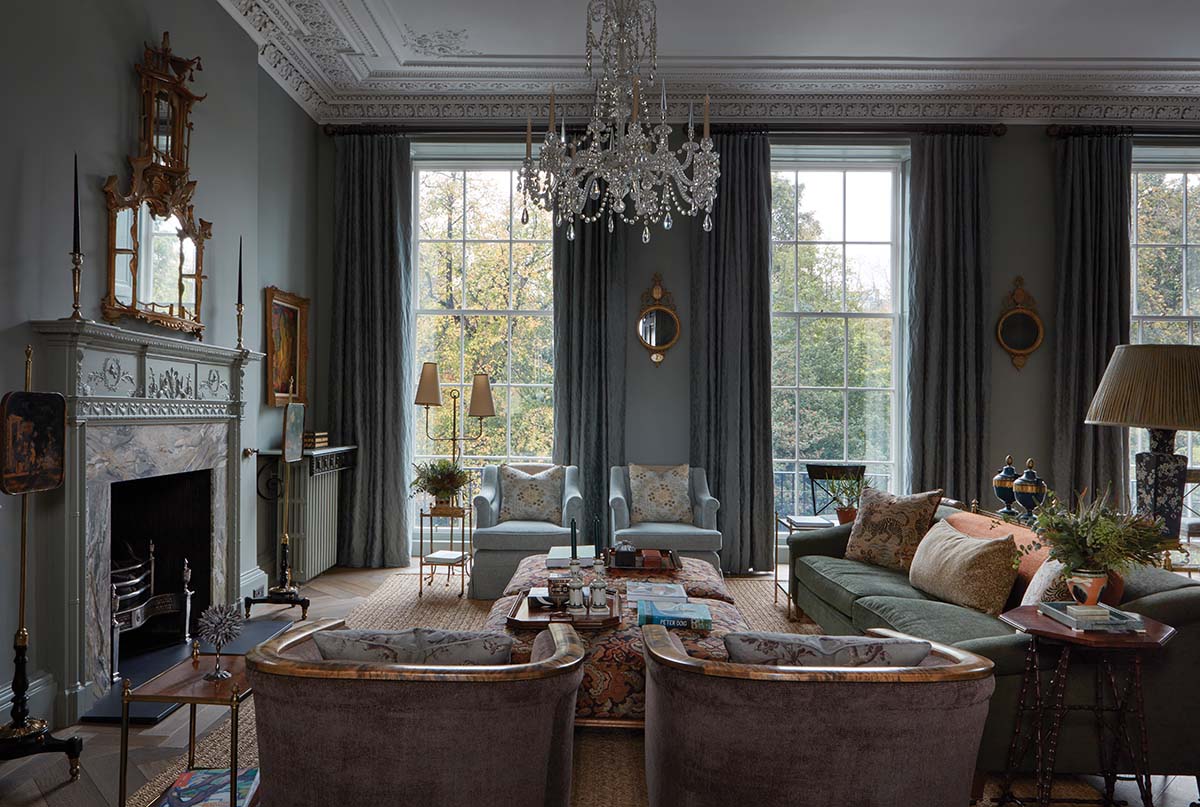
The founder of internationally acclaimed design studio Hubert Zandberg Interiors is, he says, “South African first, storyteller second”. Some homes come to him as blank pages while others, such as this A-listed Georgian townhouse in Edinburgh, are already a few chapters deep. His working relationship with its owners spans three decades, five houses and three countries. “In a way we’ve grown up together, so I arrived at this home knowing their entire back story,” he smiles.
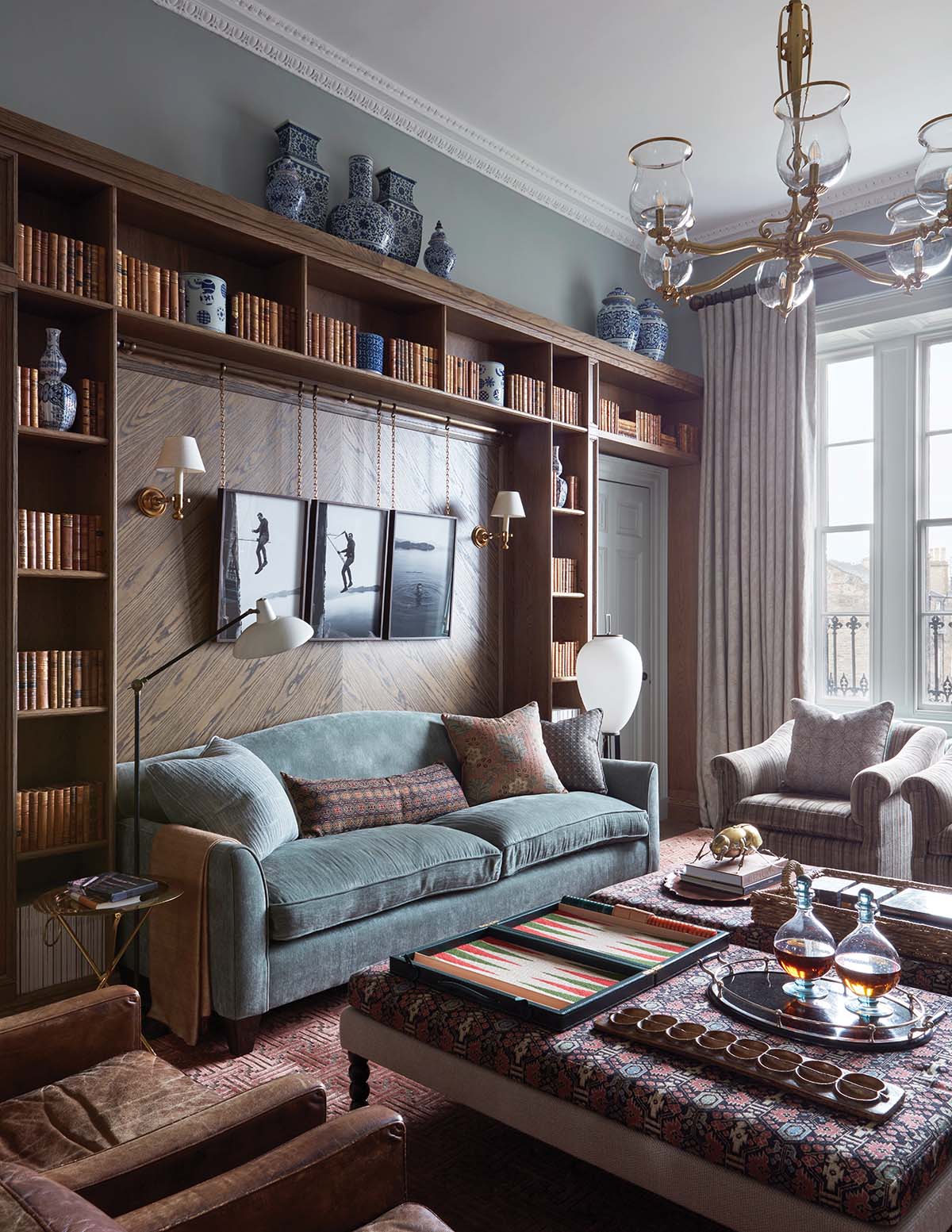
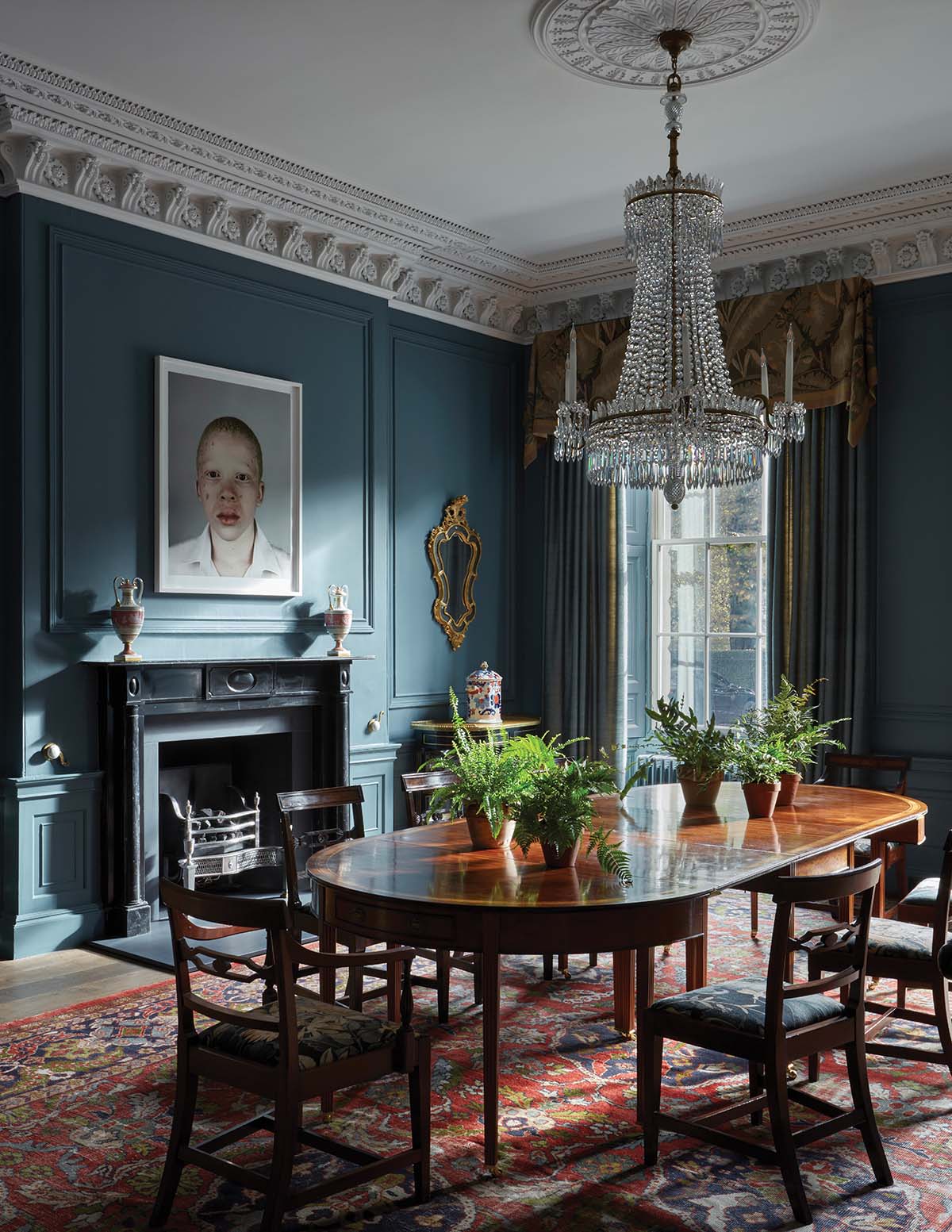
The main characters here are a married couple and their four sons. Then there’s the five-storey house, built in the early 1800s on Heriot Row in the New Town. An assortment of items from previous homes forms the supporting cast: Brazilian modernist furniture, vintage chandeliers, works by Cape Town artist Tracy Payne, and more besides. No questionable clocks in sight, because Hubert helped acquire many of the pieces. “We’ve been helping them to curate and collect over so many years,” says the designer, “and I’m not in the business of ‘out with the old, in with the new’ – we wanted to make use of what they had.”
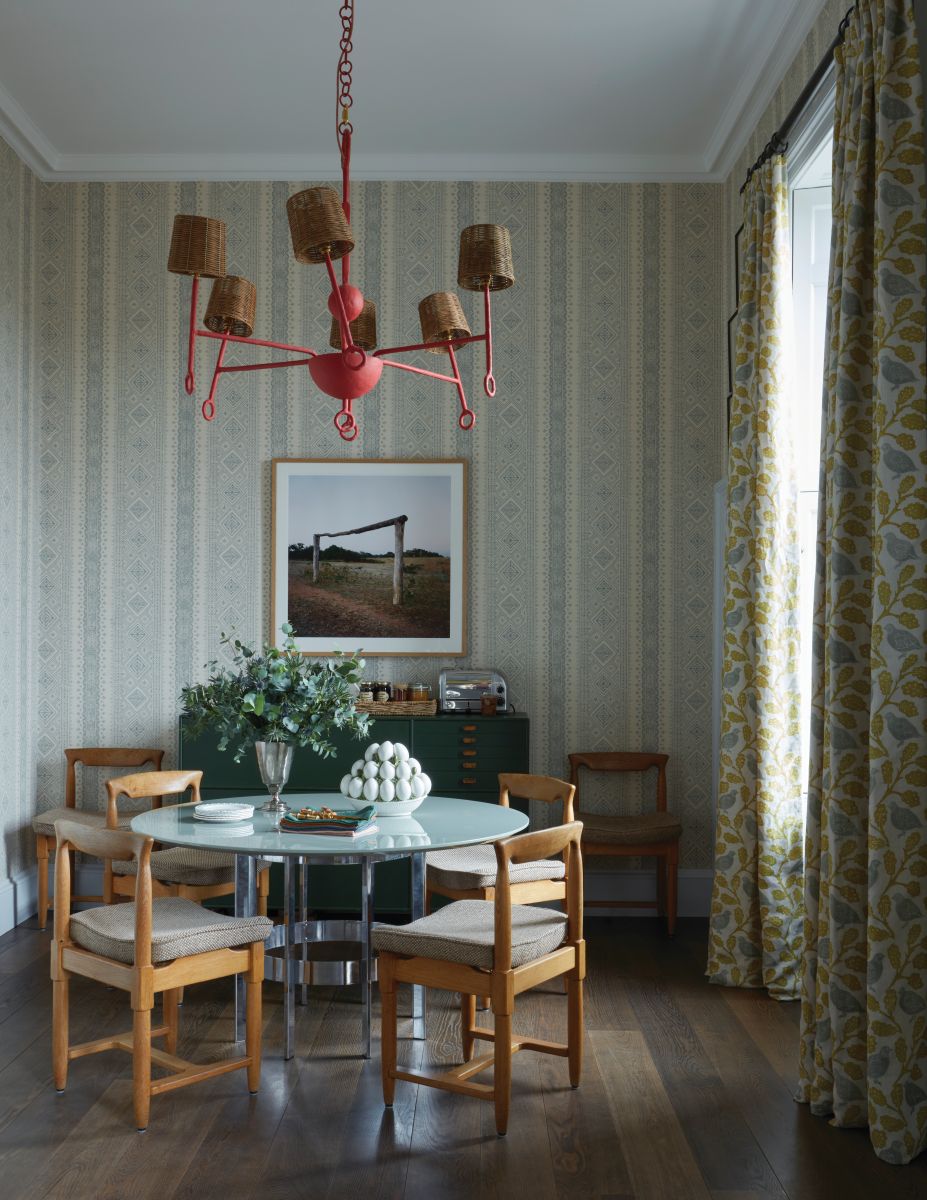
As for the narrative? Well, a house steeped in history demands a certain reverence. But it also had to support the lifestyle of a family with four active, sports-mad kids. The owners wanted to keep the grand reception spaces intact, but they also needed to fit in a few more rooms, including a games room, a chill-out area, a gym, two more bedrooms, a utility and a wine store. It made most sense to remodel the two ‘basement’ floors (the lowest of which is at garden level) to accommodate those needs and amplify the natural mood shift between the upper and lower storeys. “A chance for a so-called maximalist like me to stick with the austerity we often see below stairs in these houses,” adds Hubert.
This is austerity in relative terms, of course; these areas have a well-crafted, heritage feel. The original flagstone flooring was restored, and the walls were painted in chalky neutrals that mimic the patina of limewash. The gym is kitted out with vintage equipment and one of the bedrooms, with its brown leather headboard, pale blue walls and woollen textiles, could double as a Ralph Lauren shoot location. “I like that old-school Ivy League vibe,” says Hubert. “Making it feel ultra-designed would feel wrong.”
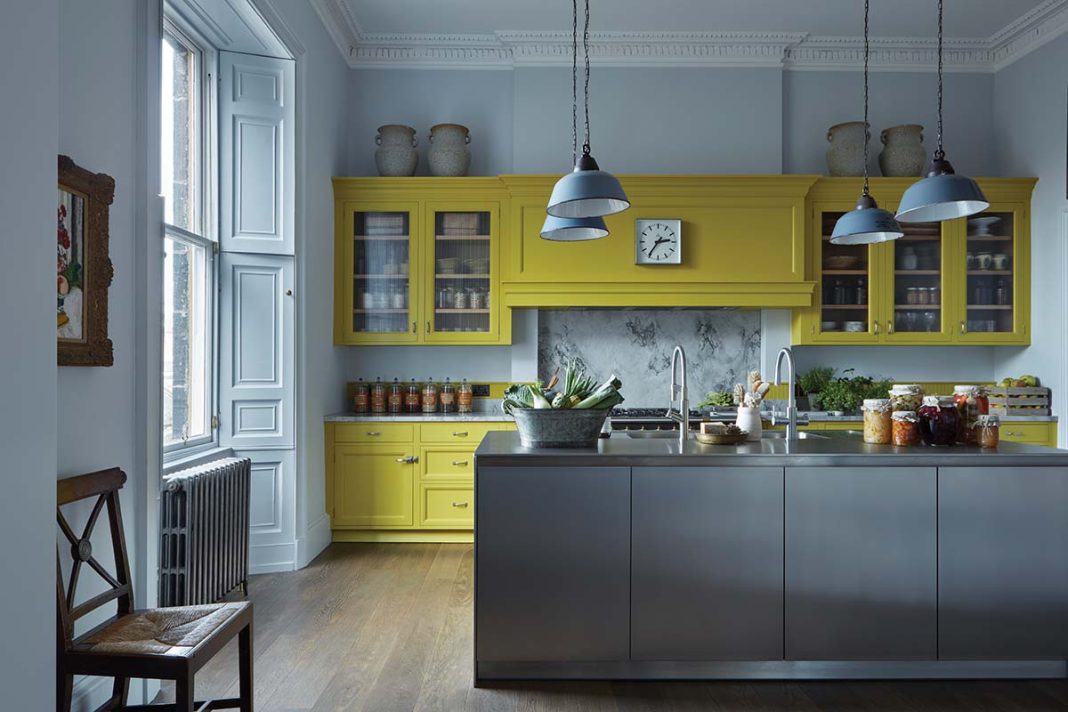
The previous layout had the kitchen in the lower basement, but the owners requested it be moved to ground level. “We kept the cabinetry classic – perhaps bordering on pastiche – then added this ultra-minimal interventionist Bulthaup island, which reminded me of a Donald Judd sculpture, to serve a practical function while making a statement of art,” says Hubert. To warm up the sleek block of metal, the cabinetry was painted a vivid citrine and the fridges were concealed in bespoke oak units that look like an old French dresser. “We first did that in [fashion editor and ceramicist] Deborah Brett’s kitchen and it worked really well.”