
Experts share five ways you can use glass to create depth and interest in your interiors, from clever zoning to careful placement
Don’t underestimate the material you look at every day. From architecture to objects, here’s five ideas that shine a light on glass.
Embrace texture — especially in bright spaces
If you grew up in a house with a panel of thick, swirling frosted glass on the front door, the phrase ‘patterned glass’ may conjure unpleasant connotations.
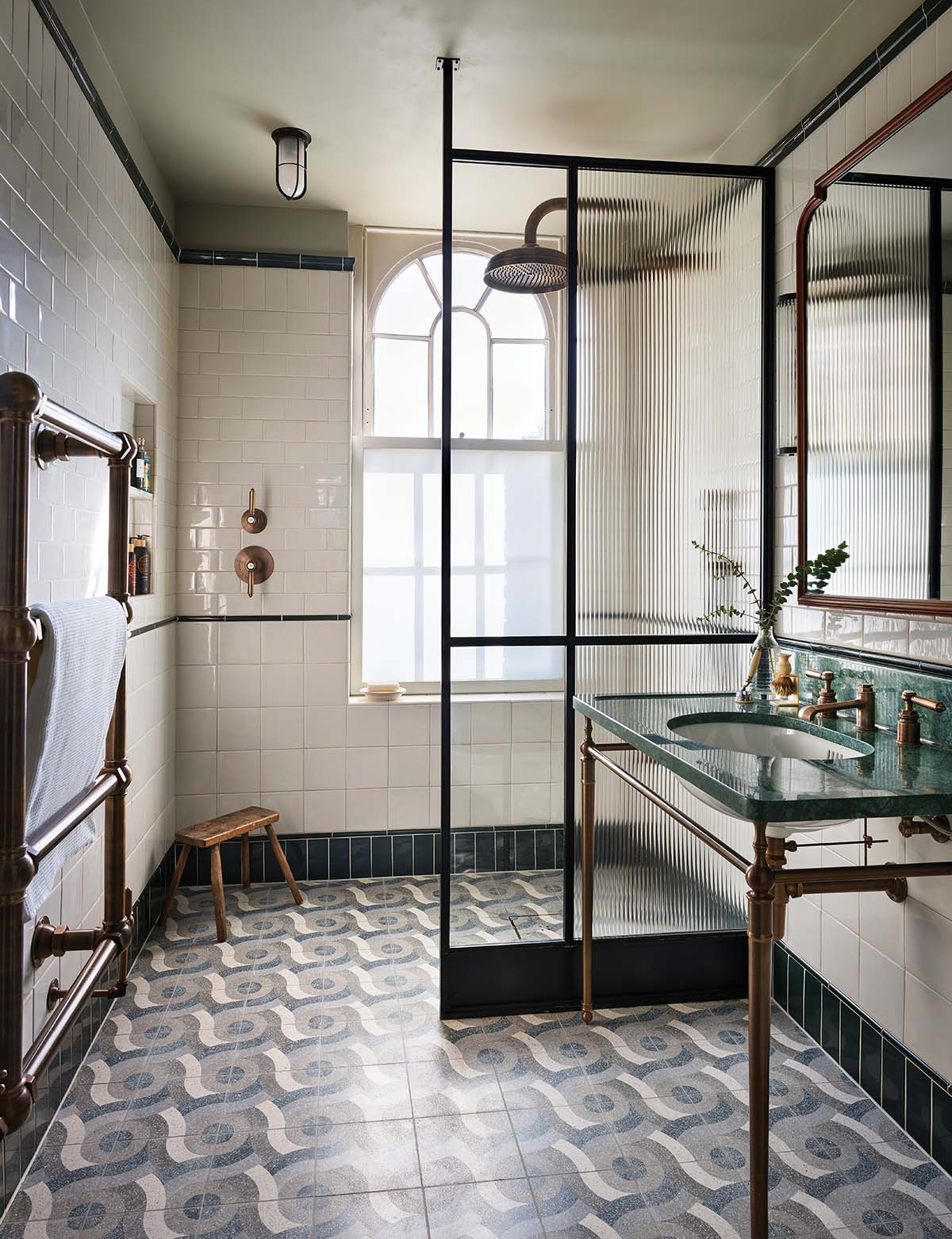
But designing with glass doesn’t need to be so clunky. Textured glass can introduce a layer of opacity to obscure what lies behind it without starving a room of light (handy in bathrooms), and it can be done subtly and tastefully.
Reeded glass is everywhere at the moment, and we like the way Pavilion Pavilion’s Jack Brindley has used it in the above window, where finely fluted segments mingle with chunkier ridges in a tesselated pattern.
Designing an older house? Play with its structural quirks
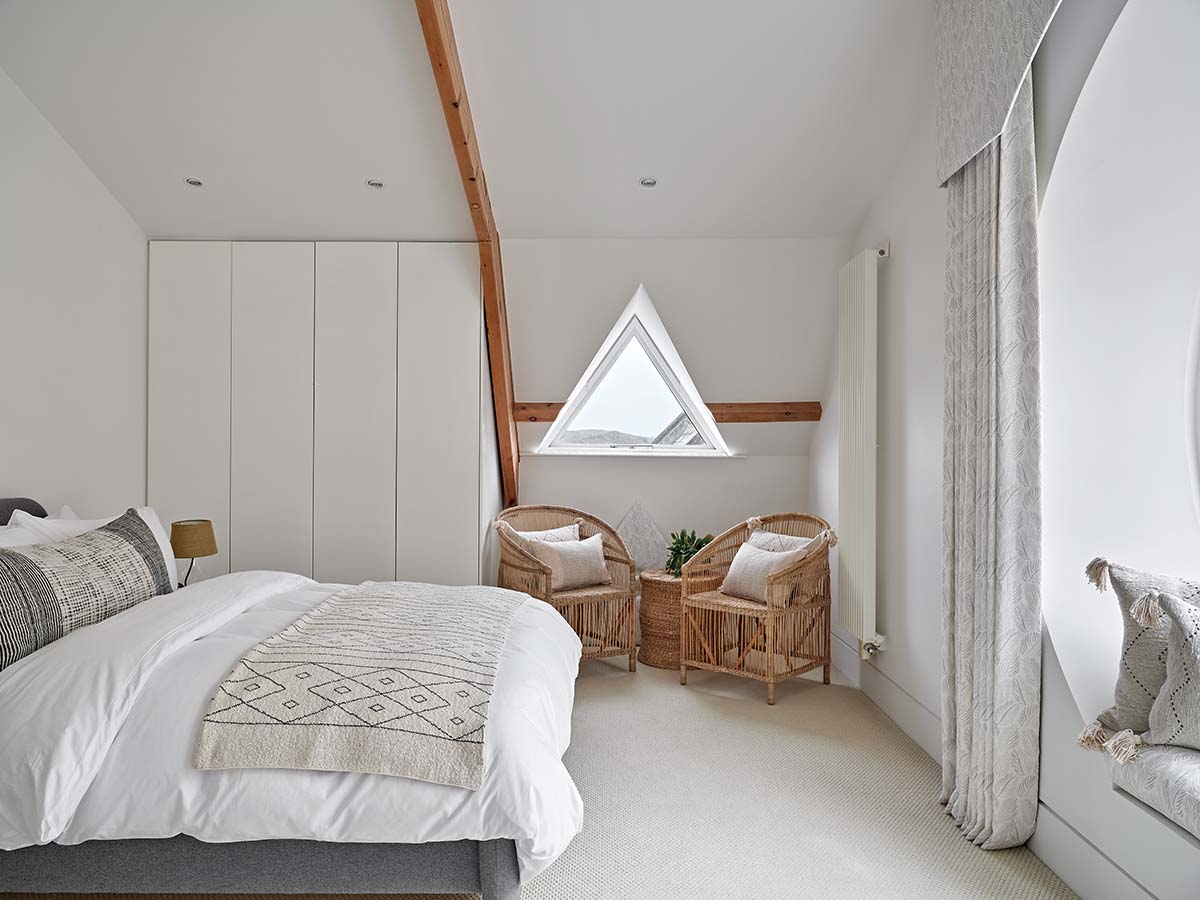
When the interior design studio Designed by Woulfe was tasked with renovating a distinctive home that was previously a Baptist chapel, the practice was keen to maintain its strong architectural identity. That meant working with its unusual fenestration, which included triangular and circular windows.
“We allowed those forms to become a defining feature of the interior,” says Brian Woulfe, founder and managing director of the design studio.
“In a building like this, these irregularities feel authentic rather than imposed and help retain the spirit of the original chapel. We kept them uncovered where possible to celebrate the architecture, and maximise the coastal light.”
Consider zoning larger spaces
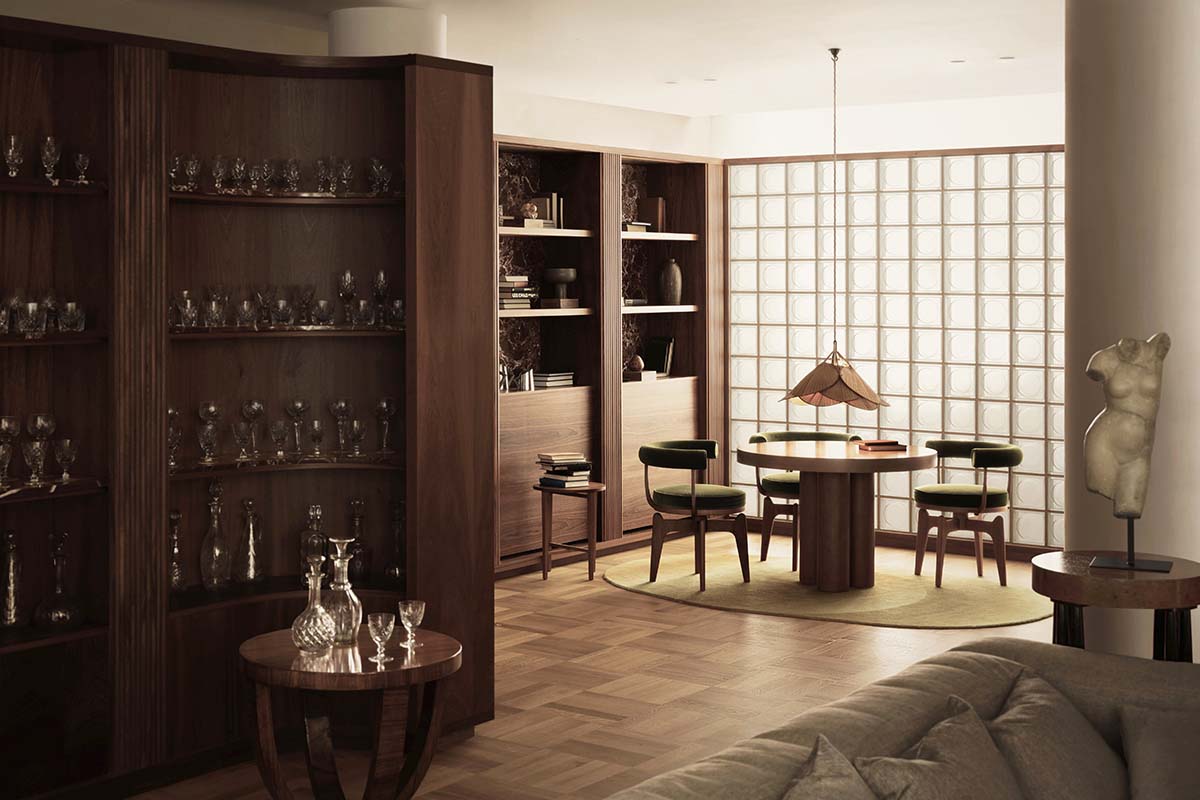
Whether you have a large room that feels overwhelming and shapeless or you’re trying to figure out how to squeeze multiple purposes out of one space, zoning offers a practical way to delineate different areas. Glass partitions can be used to carve out spaces in a subtle way, evoking the airiness of open-plan living while setting clear boundaries.
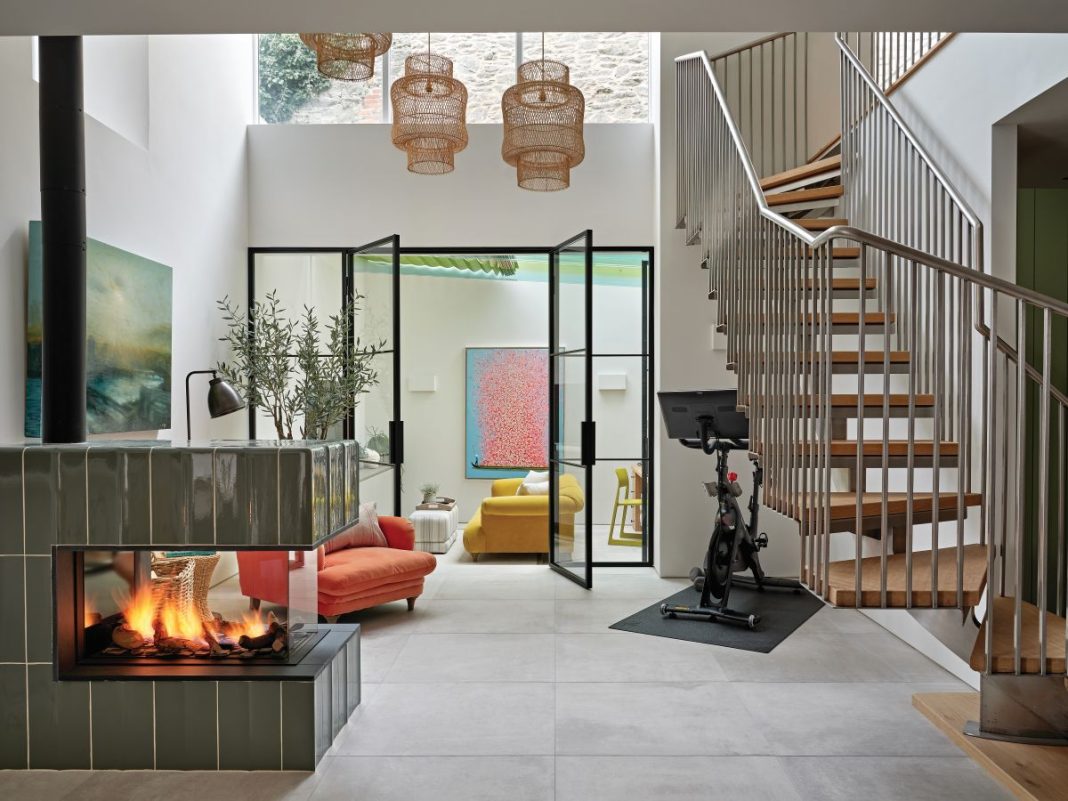
In a project in Salcombe by the interior design studio Designed by Woulfe, glass Crittall-style doors establish a shift in purpose in this living area, shuttering off a media room without losing any light. “In its previous iteration, the area hadn’t found its purpose and felt more like a corridor,” says Brian Woulfe of the design practice, when we speak to him about designing with glass.
“By using glazing, we were able to preserve the flow of natural light and create a visual link across the rooms, which is especially important in a coastal setting.”
Plenty of wall space, but not enough art? Add a picture window
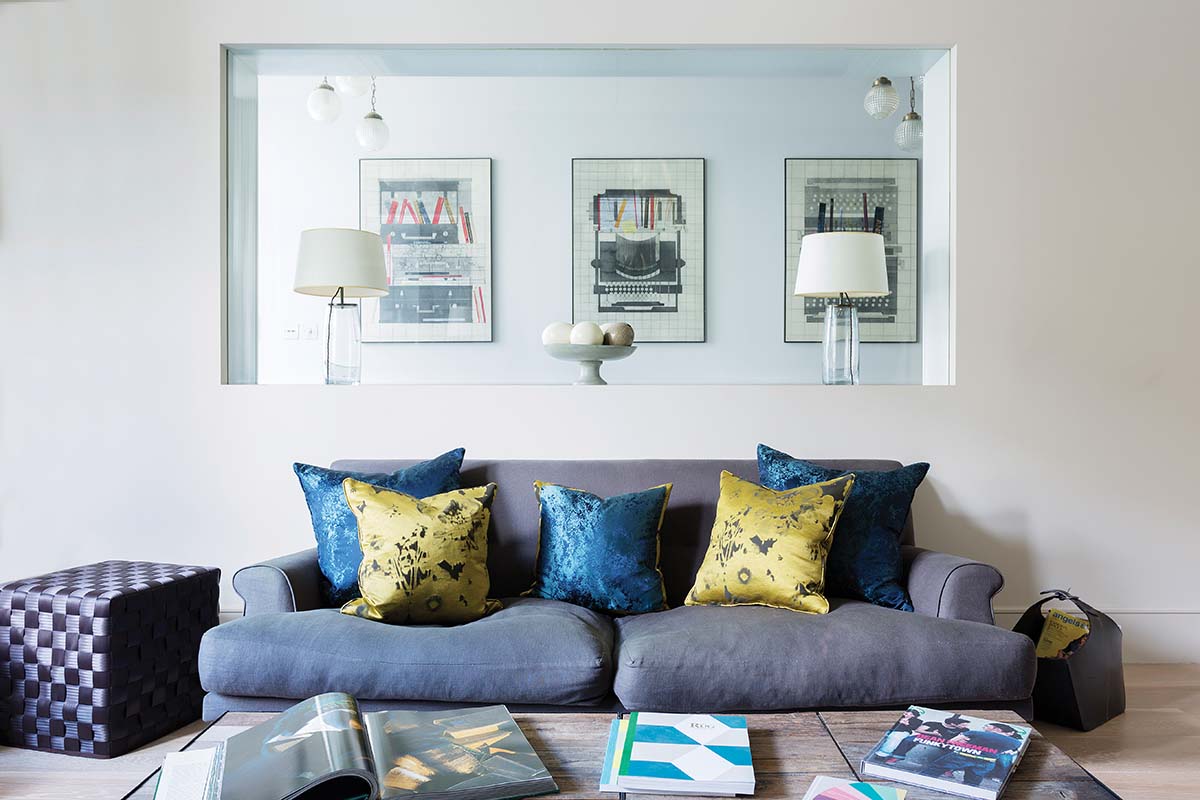
Here’s a smart idea. Not only does this picture window in a project by interior design studio Zulufish allow more light to circulate between two spaces, it frames the art hanging in the hallway so that it can still be admired from the living room.
“When designing with glass, it is important to work with an expert — especially on a picture window. Internal walls may be load-bearing, and altering them could require a structural lintel or beam,” advises Caroline Milns, the firm’s head of interior design. “Even in non-load-bearing walls, careful framing is needed to prevent cracking and to achieve a clean, considered finish. A frameless plastered reveal creates a calm, minimalist feel, while timber or metal framing can introduce warmth or definition.
“In terms of aesthetics, clear glass helps to maximise the sense of connection between rooms, while reeded, frosted or fluted glass can introduce softness and privacy without losing light.”
Prioritise your down time with a window seat
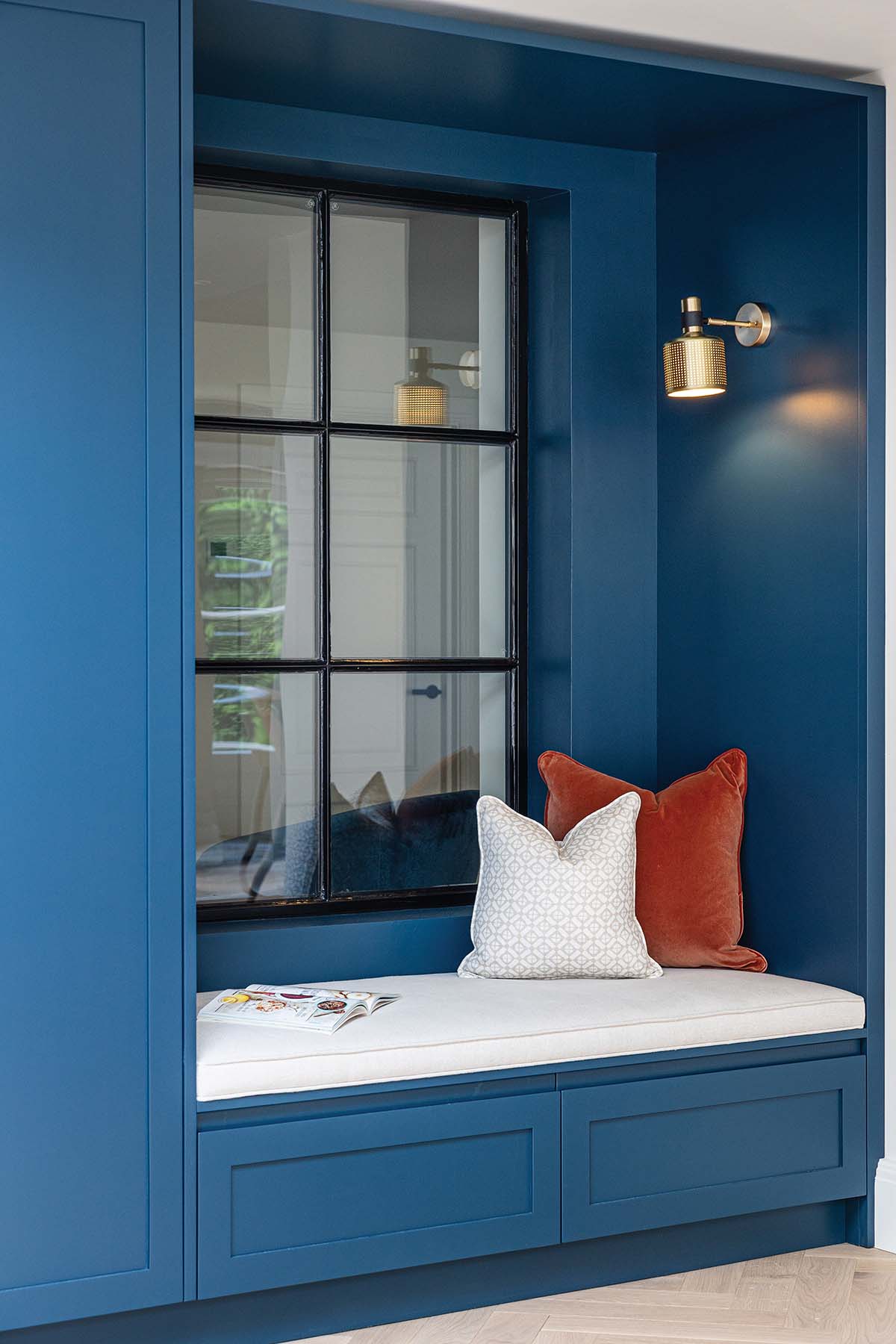
Not got a suitable window for a window seat? “An internal ‘fake’ window seat is a great option,” tips Susie Pfeiffer, director and founder of Pfeiffer Design. The seat above is a wonderful way of designing with glass; part of a feature wall in an open-plan kitchen-diner and living room.
“It’s positioned at the end of the wall and acts as a cosy corner, providing additional seating while serving as a statement design element. The internal window also floods the library and home bar behind it with light.”
The designer says a window seat should ideally sit around 45 to 50cm from the floor, with at least 40 to 50cm of seat depth. Work with a joiner so you can build in bespoke storage.