
Think art ownership is off-limits to someone like you? Think again. Experts share advice on how to find an original piece of artwork within your budget
Working at Homes & Interiors Scotland has helped me realise that buying original art is not the preserve of the double barrelled and triple-homed. I interview canny collectors who source inexpensive pieces second-hand and meet friendly gallerists who cater to all budgets. I go to the Art Car Boot Sale at Glasgow’s SWG3, an art fair where established and emerging artists sell work at accessible prices, and pick up a small painting by Victoria Morton for £275 – a beautiful watercolour that reminds me of a much larger piece of hers I’ve seen hanging at Kelvingrove Art Gallery. The art world no longer feels out of reach.
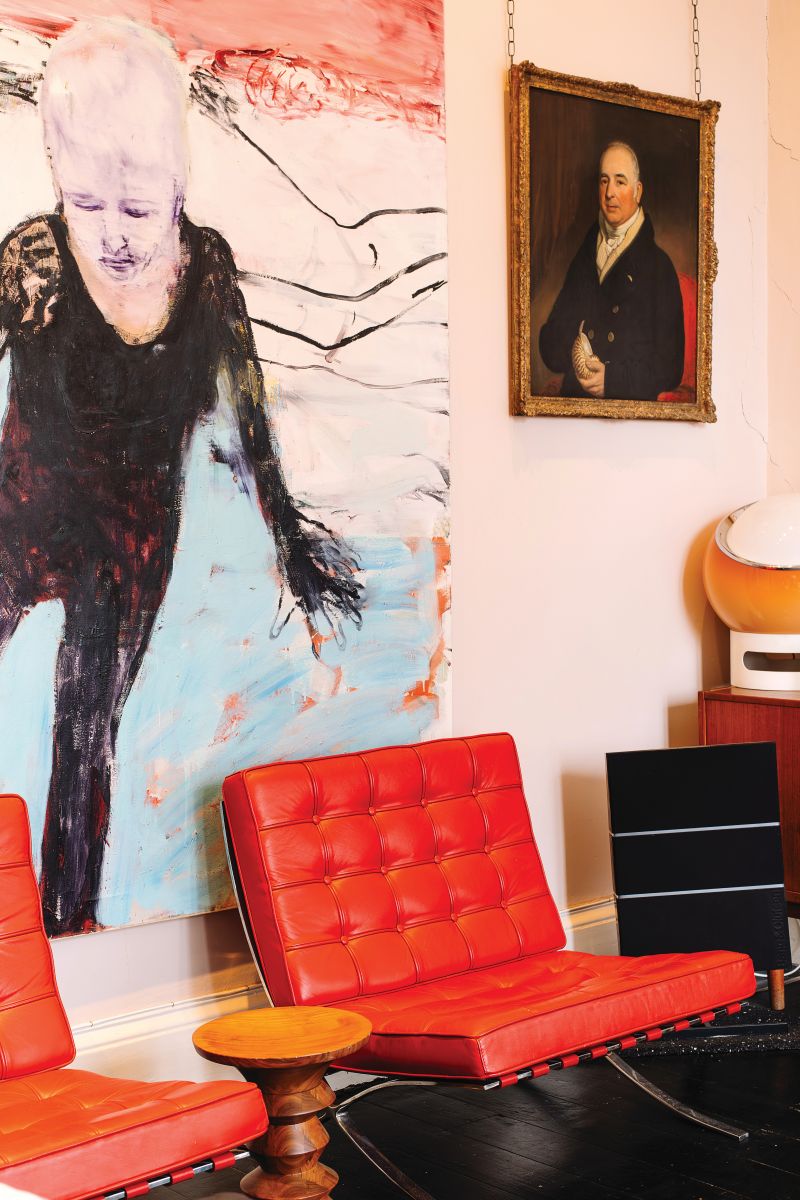
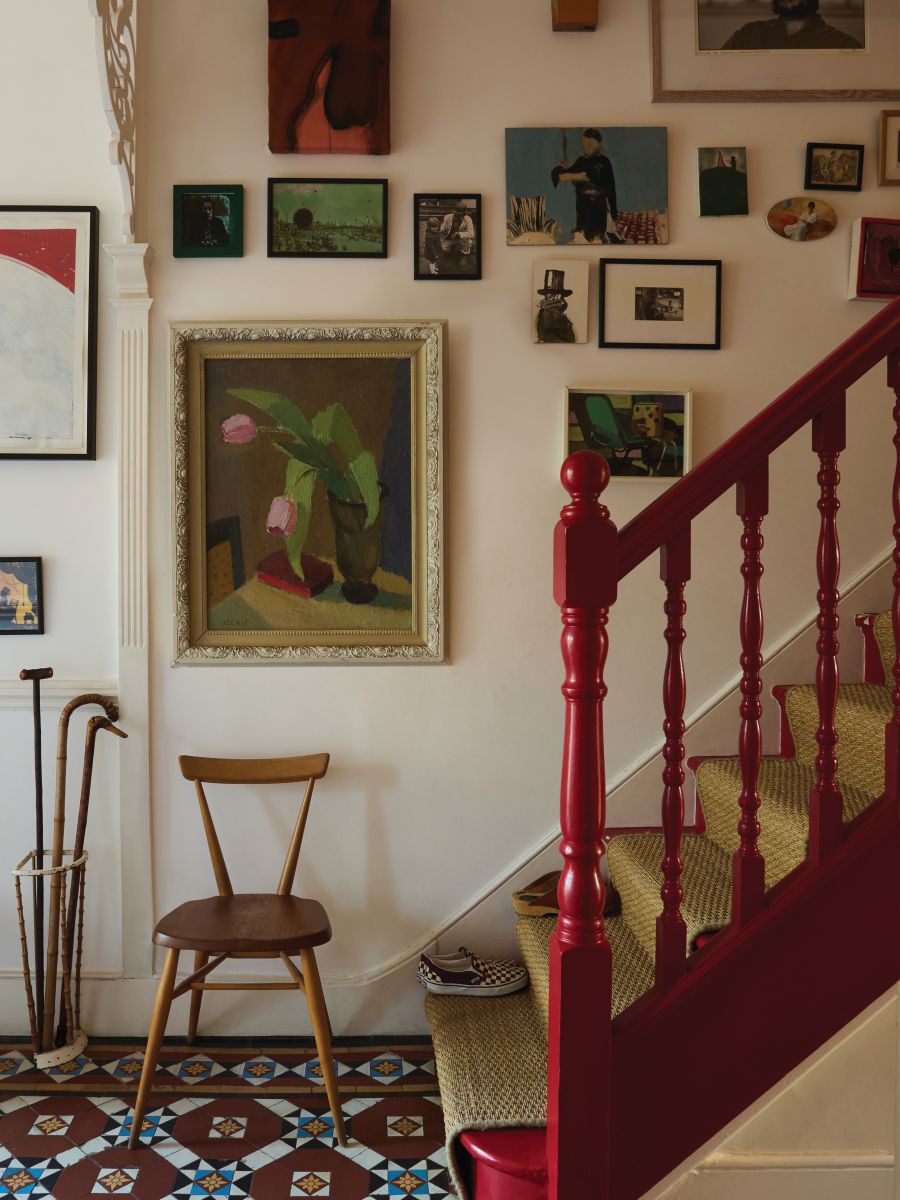
“When buying original art, I have always acquired art from a wide variety of sources,” says interior designer and broadcaster Anna Campbell-Jones. “I’ve got everything from a framed Ordnance Survey map given to me by a friend, to a Damien Hirst I bought 20 years ago. To me, they have equal value, and I take the same approach to art as I do to interiors; you have to trust your gut and love something, whether it costs 50p, £50 or £500.”
Keep reading for some essential pointers on buying original art in Scotland.
Train your eye
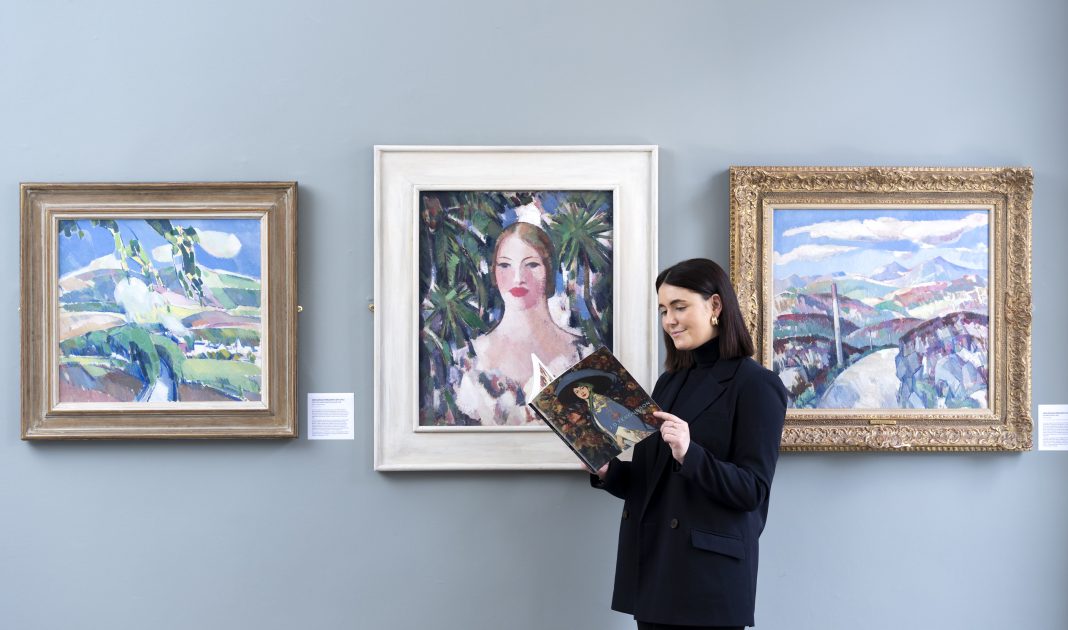
Before you can trust your gut you have to train it, and the best way to do this is by looking. When buying original art, visit galleries – both commercial galleries and those with permanent collections such as the National Galleries of Scotland – to get a feel for what you like, and don’t be afraid to ask questions. “The scary gallerist is a Hollywood trope, and the reality is that most people who work in galleries do so because they’re passionate about supporting artists,” says Anna. “I really like Art Pistol and Subversion, who have stuff at different price points. You go in, have a chat, and they’ll show you things you might like.”
No ‘right’ or ‘wrong’ tastes
Scotland’s art scene is so diverse you’ll be able to find something that speaks to you. Grateful Gallery, a new space in Garnethill run by artists Panda McGlone, Ciaran Globel and Conzo Throb, focuses on street art, graffiti and mural artists such as Shaun Devenney, who recently held his first solo show there. “We opened Grateful because we felt there wasn’t a gallery in the city doing what we wanted to do,” says Panda when we speak about buying original art. “The whole point is that it’s for everybody. At our group shows we’ll have work that ranges from £150 to more than £1,000, but we also sell prints and T-shirts. We want to make buying original art accessible to everyone.”
Invest in young talent
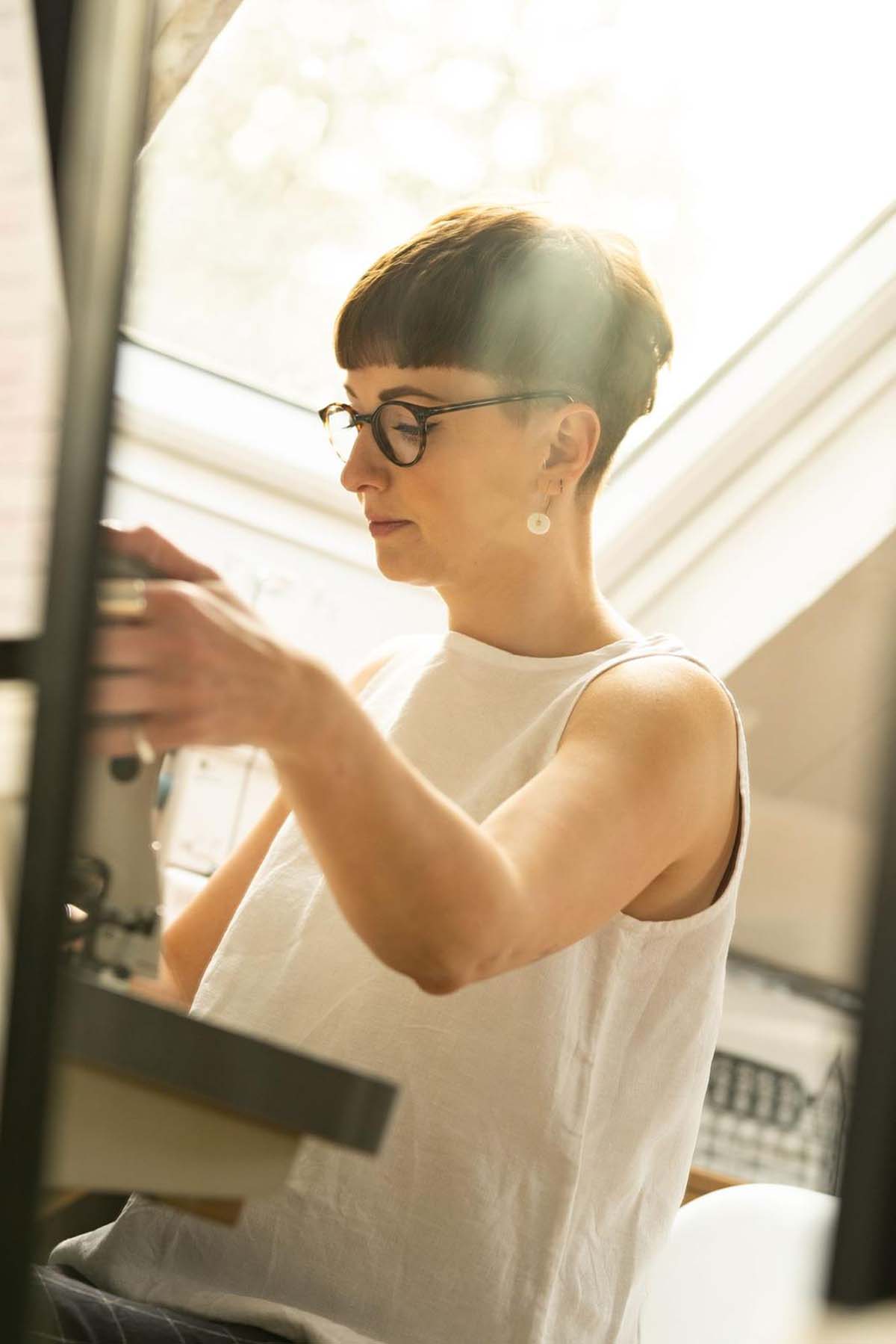
Some of Anna’s favourite pieces have been found at art school degree shows, where you could very well snap up an early work from a future Hockney. Veronique AA Lapeyre, director of the Scottish Contemporary Art Network (SCAN), also recommends seeking out up-andcoming talent and going off the beaten track.
“I think that one of the barriers to buying original art is that not everyone is aware of the number of places that exist beyond the big galleries, from graduate shows through to artist-run spaces,” she says. “Lots of our members at SCAN, such as East Neuk Open Studios, run events and open studios where you can interact with the artists in a low-pressure way.”
Different strokes
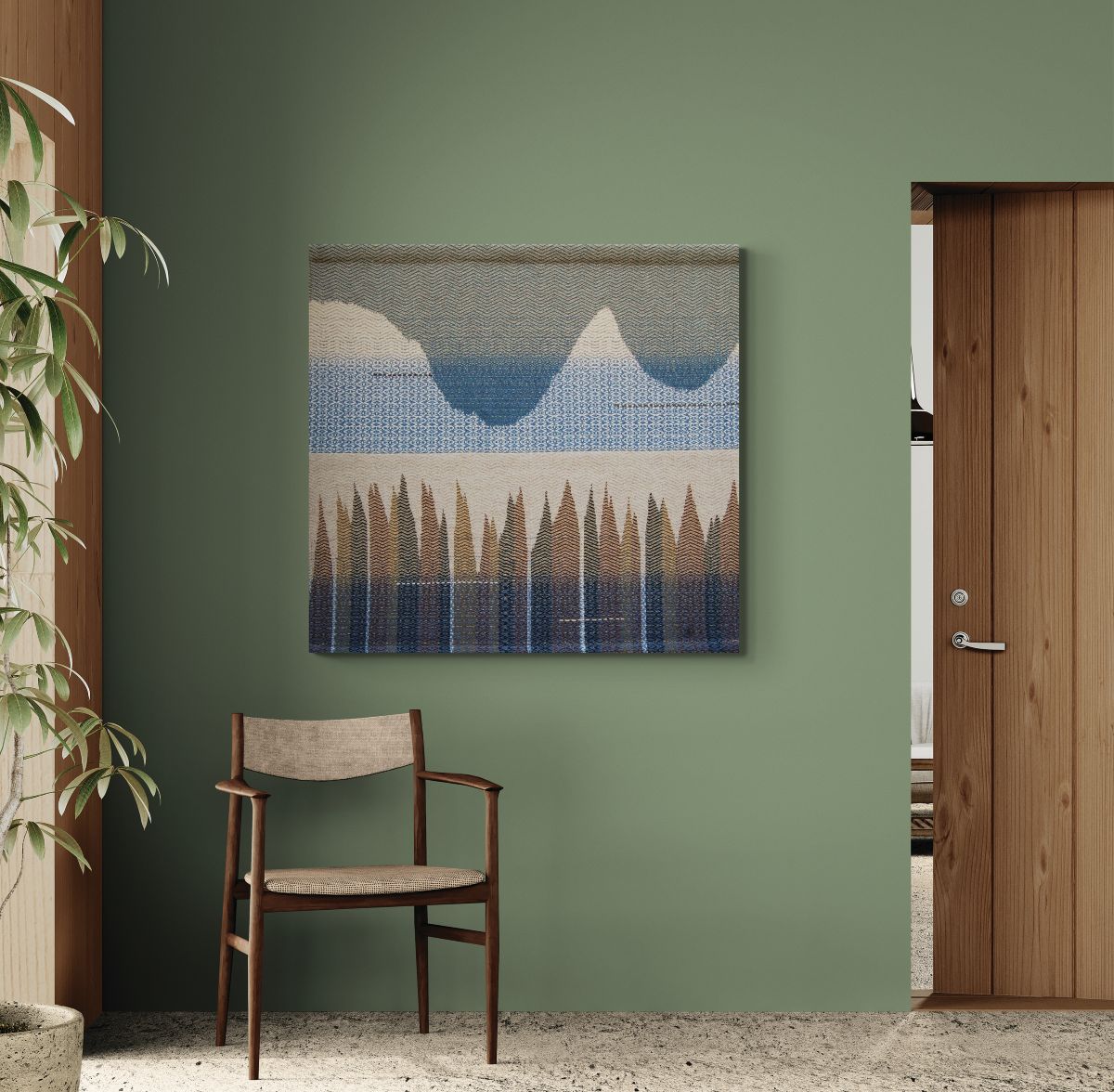
You don’t need to be in a gallery setting to engage with an artist. “Lots of people contact me through my website or arrange to talk on the phone,” says Julia Complin, a Fife-based textile artist whose woven wall hangings are inspired by the landscape and cost from £800. “If there are pieces you particularly like, I can take them to your home so you can see them in situ, and I’ll also do bespoke commissions if you want a certain piece in a different size.”
Custom doesn’t always cost the world
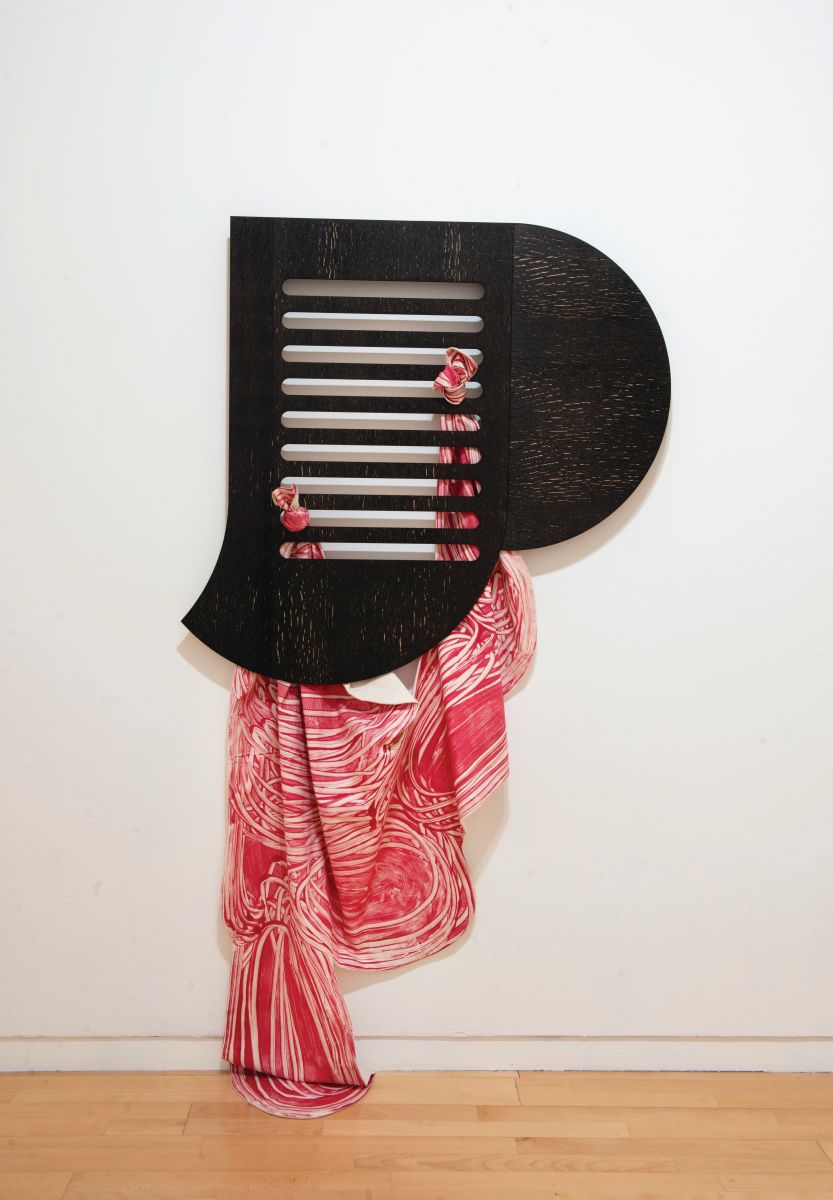
Though custom pieces will usually command a higher price, you have more control in some ways – a smaller work will, generally speaking, cost less than something vast. Remember, too, that artists working across multiple mediums will price their work based not just on size but on the materials used and how intricate it is. Most galleries have online shops, which is a comfortable way to familiarise yourself with pricing if you feel awkward talking about money even when buying original art.
“I was looking for a gift recently on The Modern Institute’s website and saw that it has a great range of different works at various price points,” adds Veronique. A series of small acrylics on paper by Hayley Tompkins, for example, are priced at £250 each. Not bad for a Turner Prize nominee. Many galleries will also sell limited-edition prints created under the supervision of the artist. “These can make a great, affordable first piece for the home,” says Veronique.
Ask about the ‘Own Art’ initiative
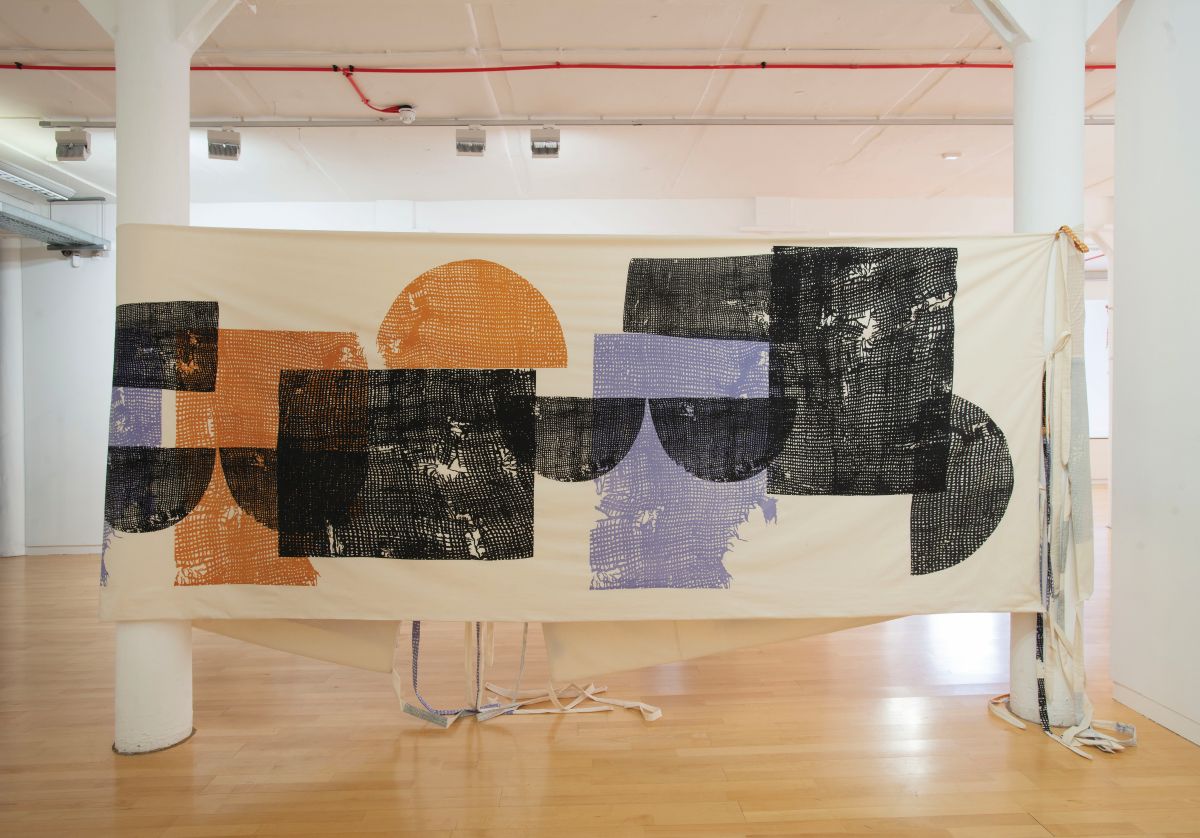
You may even be able to spread the cost of your purchase if the gallery has signed up to Own Art, a national initiative that makes buying original art accessible; allowing buyers to pay for artworks in interest-free instalments. Or just save the old-fashioned way.
Veronique, whose own collection includes artwork from Mauritius (where her dad’s from), tapestries by her grandad and a piece by the multidisciplinary artist Sarah Calmus, says it’s always good to have a “future dream list” of artists you’d like to buy even if they feel out of your league right now. “Claire Barclay is on my list,” she smiles.
Hammer time
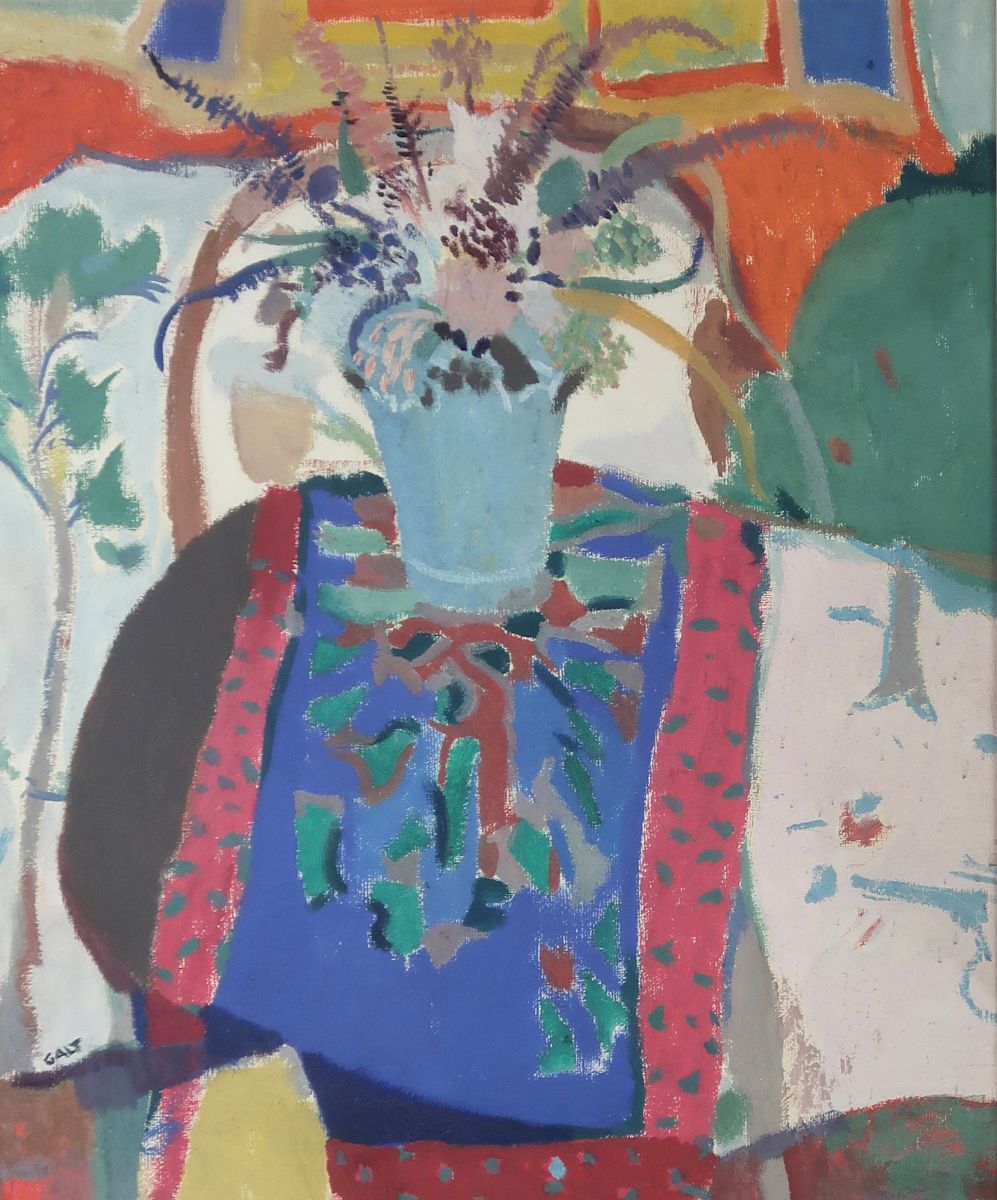
One benefit of cultivating such a list is that you’ll be primed to pounce if their work ever appears somewhere unexpected – like at auction. “Last week we received a marvellous Hornel, and the week before that a spectacular Alasdair Gray came in that I’d never seen before. To see it and live with it was a privilege,” says Anita Manning, whose auction house Great Western Auctions sells a large variety of art. “Art enriches your life and makes you look at things more closely.”
A highlight of Anita’s job is witnessing people taking their first tentative steps into buying original art, especially when their budget isn’t Hornel-level. “We recently sold two lovely etchings by Katharine Cameron, one of the Glasgow Girls,” she says. “One went for £50 and the other for £110. Wonderful entry-level pictures by an artist who was part of a historically significant movement.”
Research auction houses
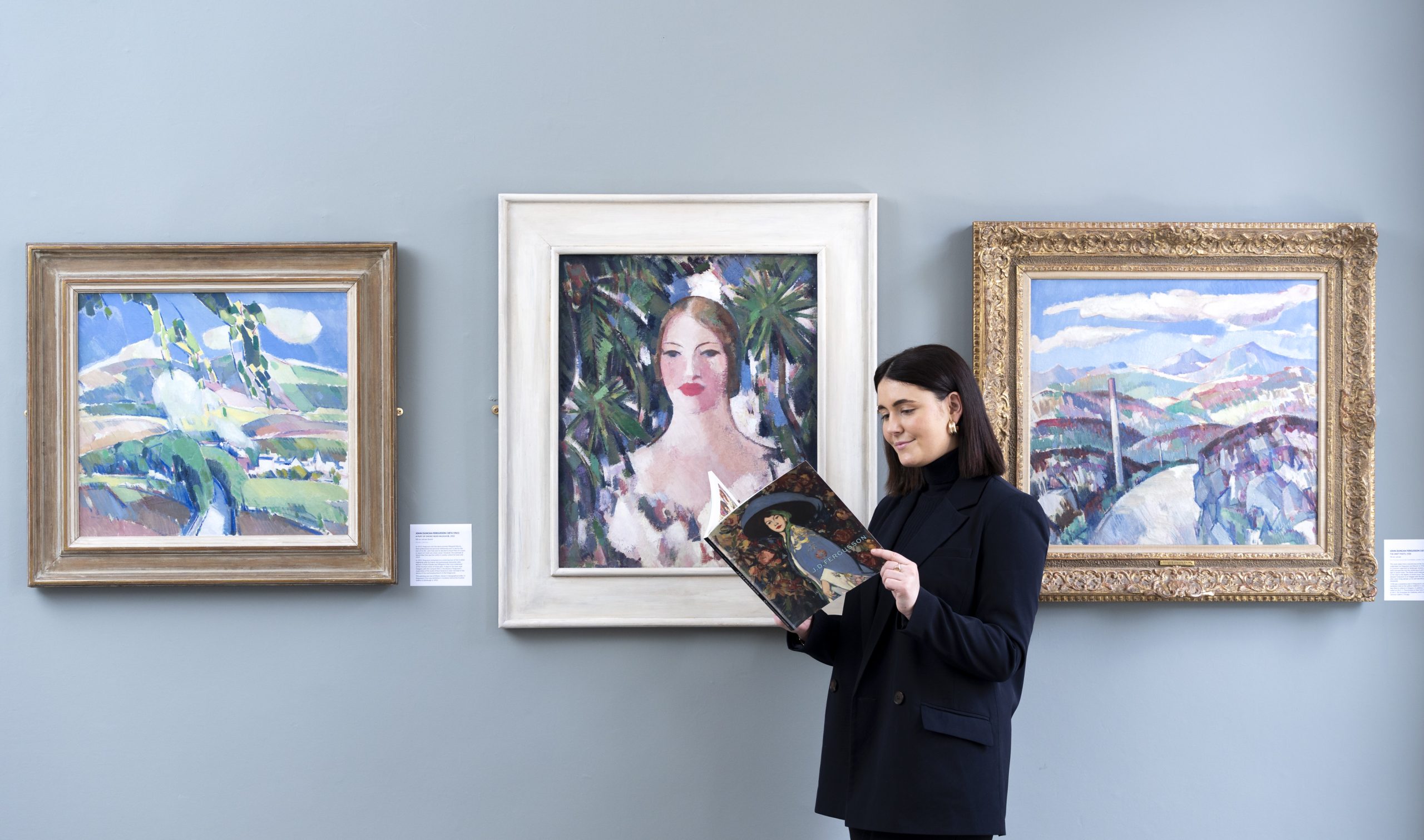
Most auction houses publish their catalogues online, but when it comes to buying original art, it’s advisable to view any works you like in person first. “Look at the picture, look at the estimate, decide what you’re prepared to pay and don’t go beyond that,” advises Anita. Factor in auction-house fees too, which may bump the price up by another third. You can bid live in person, online or by phone, or place a ‘commission bid’ by telling the auctioneer your maximum price in advance and letting them bid on your behalf.
Last-minute eBay snipers, be aware: that tactic for buying original art won’t necessarily serve you well here. “We recently had two commission bids of £250, so the item went to the person who had submitted their bid first,” explains Anita.
I have already signed up for the next auction, and guess what? If I win anything, it will be hung up beside my posters. Take that, lilac-trews.
Speaking of buying original art… why not take a look at ‘The Swim’ by Julia Krone.
Introducing ‘The Swim’ limited edition fine art print by Julia Krone