


Seven ways to enliven your garden before autumn, from investing in garden rooms to learning the art of planning and zoning
We speak to experts to find out how you can upscale your garden before autumn comes. Whether that’s installing lighting in prep for darker evenings or investing in a garden room that will let you enjoy your green spaces safe from the immanent autumn chill.
Garden rooms
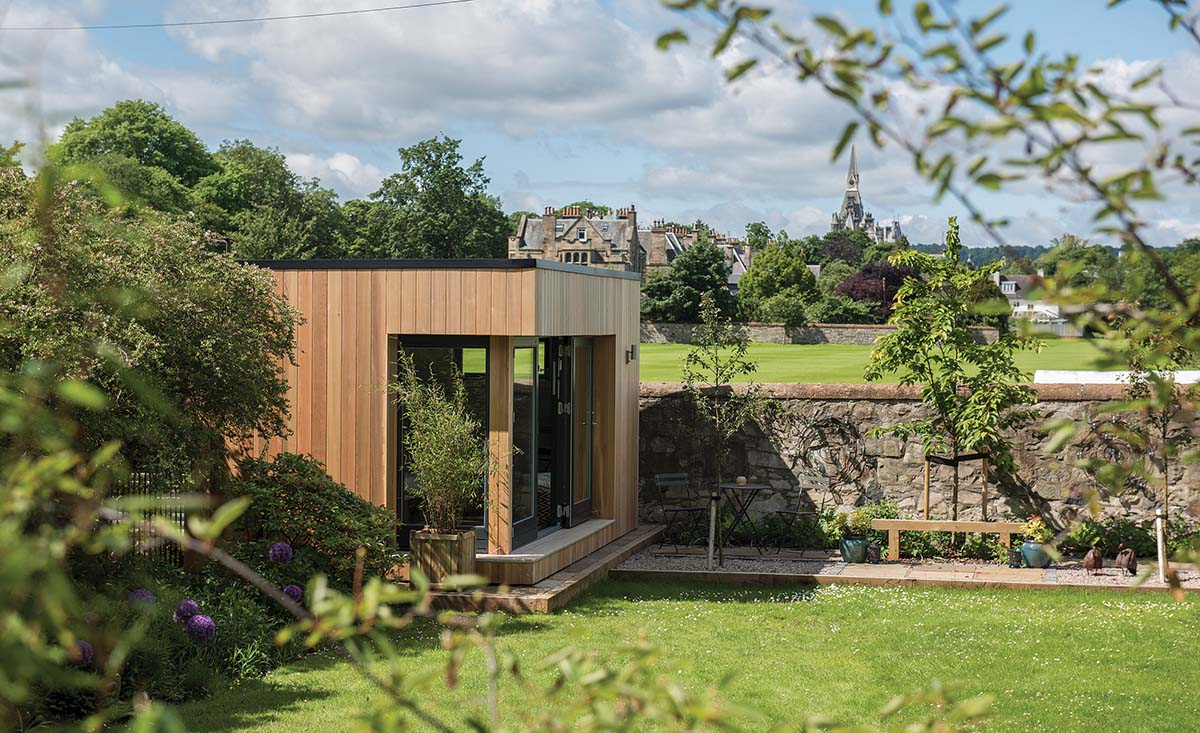
Need more space? A garden structure can be a godsend, serving as storage, an extra room or simply as a peaceful spot for kicking back. Often, these structures don’t require planning permission, so can be more attainable than an extension. “Many of our bespoke structures fall within permitted development rights,” explains Joanna Campbell of Mozolowski & Murray. “We assess each project individually. If planning is necessary, we have a dedicated team to handle the entire process on behalf of our clients.”
A conservatory, an orangery, a home office or even a sauna: nothing is off-limits for these spaces. Whatever its purpose, such a structure will add value and flexibility to your home.
Claire Runciman, from JML Garden Rooms, touts the benefits of a guest suite (a popular choice for those with extended family or who need an extra income stream), but emphasises that even the most unusual request can be fulfilled. “We were commissioned by one school to design and construct two soundproof pods for bagpipe practice! We built two separate rooms within a timber-clad studio tailored to the Piping Master’s exact specifications.”
For smaller gardens, consider some thing like SpaceKube’s non-insulated structures where frameless glass walls create a seamless extension of your home without overwhelming your outdoor space.
Plants and planning
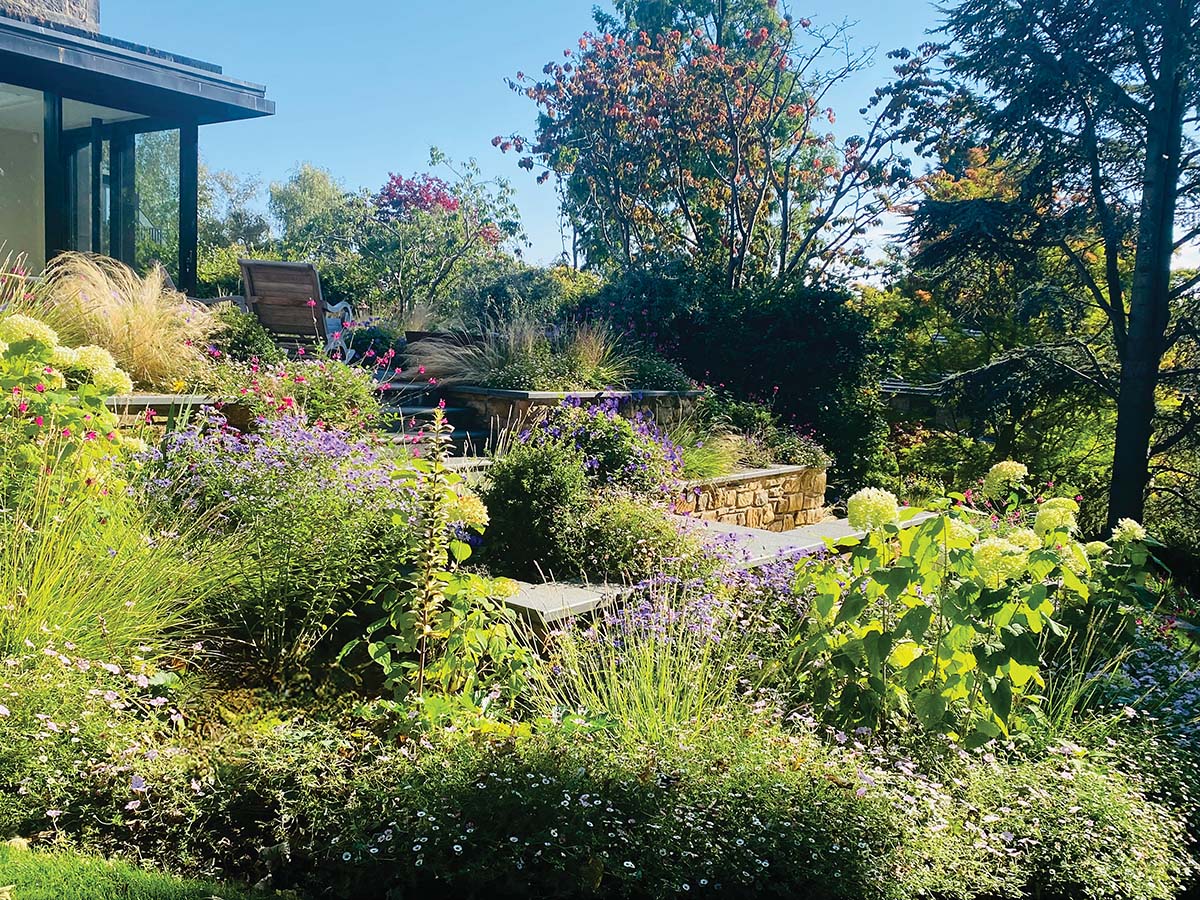
The backbone of any autumn garden is its plants. You could go rogue and plant with reckless abandon, but if you want to protect your investment, it helps to have a plan. Becky Searle, author of Grow a New Garden, has a lot of helpful advice. “I had my garden planned out before I even moved into my home,” she begins. “I checked all the photos and plans I had of the house to figure out where the sunny spots would be, and knew roughly what I wanted to grow. When I moved in, I tested the soil so I knew what I was working with.
“You can do this easily with a home testing kit from the garden centre, or look around your neighbourhood and see what is growing well: azaleas, camellias, rhododendrons and blue hydrangeas often mean acidic soil, for example.
“I created a moodboard of plants I liked and narrowed it down to suit the conditions.”
Becky believes that a good garden is never finished, “but having a rough idea of what you want to do with your space will immediately make it look better. Don’t just buy plants you like; make sure they’ll work in your space and blend well together. To look coherent, a garden needs to be planned.”
Keep it tidy
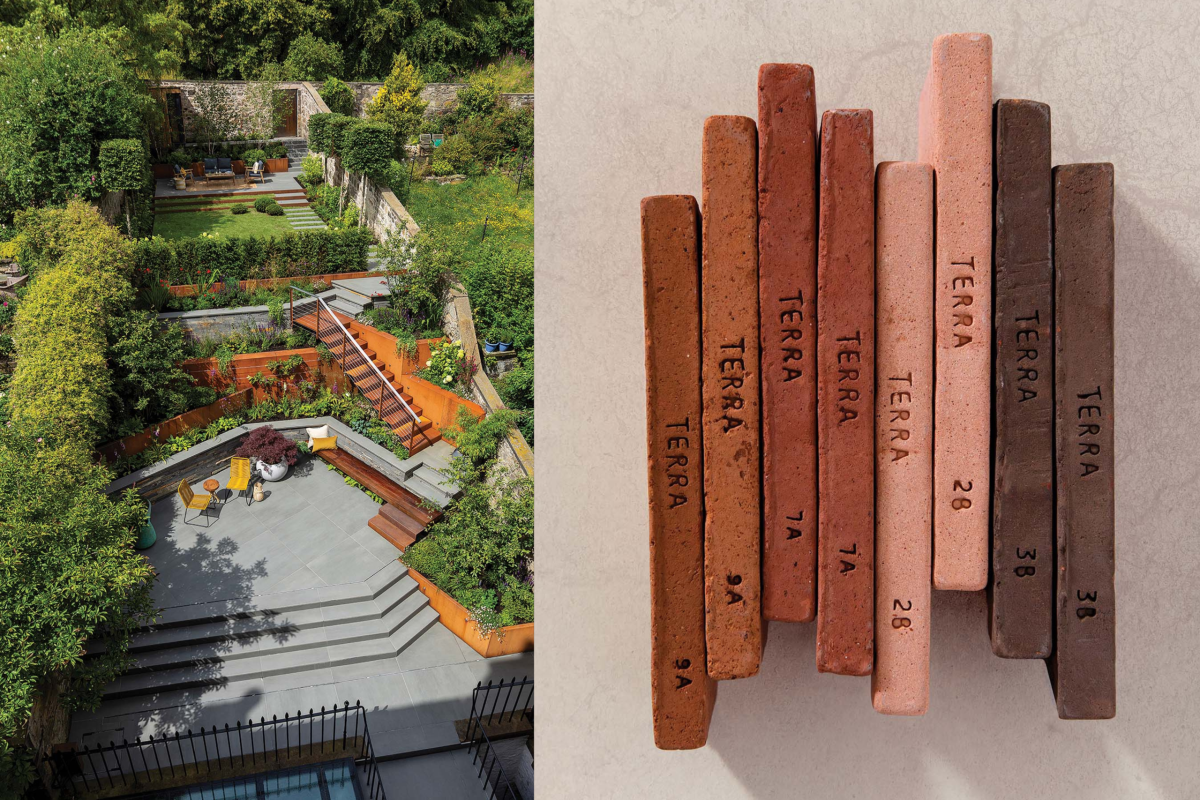
“There’s a common misconception that more plants means more maintenance,” says Nick Starnes at Stephen Ogilvie Garden Design. “However, we actually think of bare soil as the ultimate gardener’s nemesis. Pernicious weeds love open soil – it’s the perfect growing medium. In the world of maintenance, fully planted borders are your friend – dense planting will make it much more challenging for weeds to take hold; and, providing you can dedicate some time in the early part of the season, when foliage hasn’t properly filled in, you’ll find the mid-to-late summer relatively relaxing.
“Ditching the traditional lawn can be a very effective and low-maintenance way to encourage wildlife and support bio diversity. Flowering native meadow grass and clover are fantastic alternatives.”
Elsewhere in the garden, Nick suggests using clay pavers for pathways (“they offer excellent longevity and have a much lower carbon footprint than concrete alternatives”) and sustainably sourced native timber, such as larch or oak, for decking. These are sturdy enough to survive the changing weather as autumn approaches.
In the zone
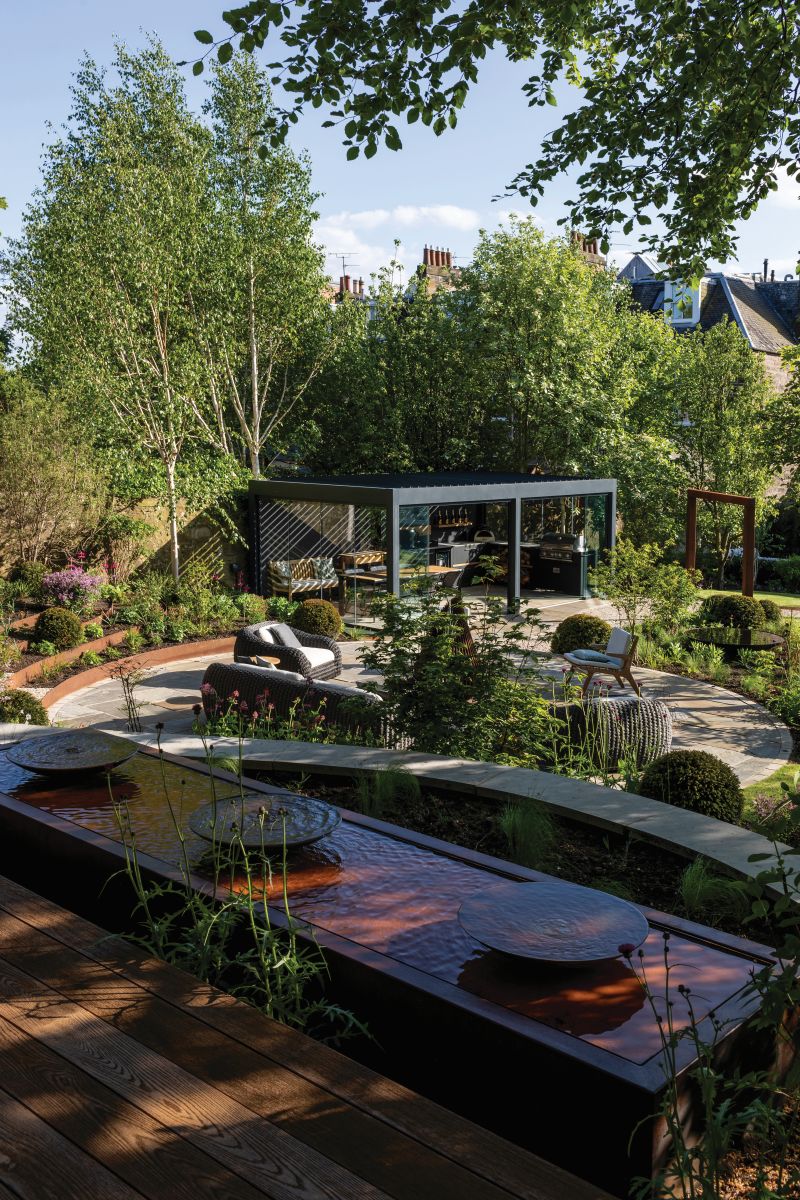
A successful autumn garden is often organised into zones, making maintenance easier and encouraging exploration. Jack Verran of Grange Landscaping recommends prioritising psychological comfort within those zones if you’re trying to create a sense of relaxation during autumn.
“Establish a sense of safety by incorporating a solid backdrop and an open view ahead, echoing our primal instincts for refuge,” he says. “Organic shapes and layouts link with nature and play into the principles of biophilia – our innate desire to be in nature.”
Unify these zones with repeated planting or by using cohesive tones in any chosen materials. “These visual threads tie spaces together with an underpinning continuity or theme, even if the purpose of each space is completely different.”
Think your outdoor space is too small to be split up? Think again. Jack argues that even balconies can be zoned: “Use vertical planters or shelves to save floor space, and add greenery, colour and scent to create atmosphere. Set up a small seating area in one corner, then place a veg bed or leave space for a yoga mat in another. Tall, airy plants like Verbena bonariensis can then softly divide the zones without eating into the space. They also look beautiful in the light, producing small pockets of shade and movement in the wind, helping to create a dynamic small space with multiple functions.”
Outdoor lighting
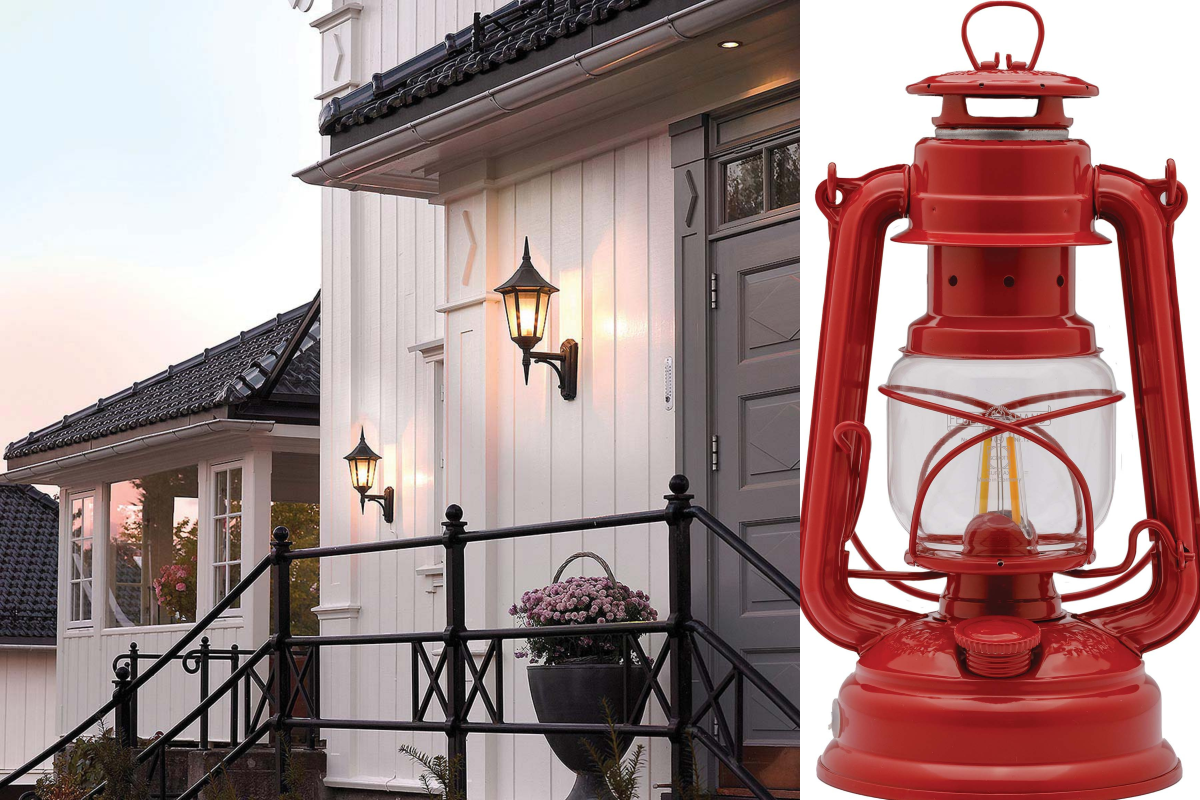
It’s all about layering when it comes to outdoor lighting in autumn. Amy Martin of Kinross supplier John Moncrieff recommends placing light sources at different heights to really create impact. “Combine wall lights with pathway lighting and incorporate statement lights over a seating area. Using a variety of heights and angles will create depth and eliminate harsh shadows.”
For wildlife-friendly lighting during autumn, opt for downward-facing fixtures and motion sensors to minimise light pollution. Outdoor lights must have the correct IP rating to protect them against rain and moisture, dust, temperature variations and physical impact. “You’ll need a minimum IP44 for covered areas, IP65 for exposed locations and IP67-68 for ground lights or water features,” says Amy. “If that just sounds like a lot of numbers and letters, we are happy to advise on specific IP ratings based on your location.”
Furniture staples

“No matter the size of your outdoor space, you should consider it an extension of your home,” advises Jen Wilson, lead interior stylist for BoConcept Scotland, when we ask her how to upscale a garden ahead of autumn. “People measure their internal rooms but often guess when it comes to outdoor spaces. Don’t eyeball it – open space can be deceiving! When measuring, consider how people will move around the furniture and make sure you leave space for them to do that. Choose pieces made from lightweight materials like galvanised steel and aluminium, so it’s easy to reposition.”
Good outdoor furniture should be able to stand up to the elements, particularly as we move from summer into autumn. But it’ll still require some maintenance, says Justin Baddon at Edinburgh’s Moleta Munro. “Teak and oak pieces require regular washing, oiling and occasional sanding to remain in prime condition. Powder-coated metal, stainless steel or plastic furniture generally only requires an occasional wash. I’d recommend bringing outdoor furniture in over winter, or at least covering it with a tarpaulin.”
Go wild
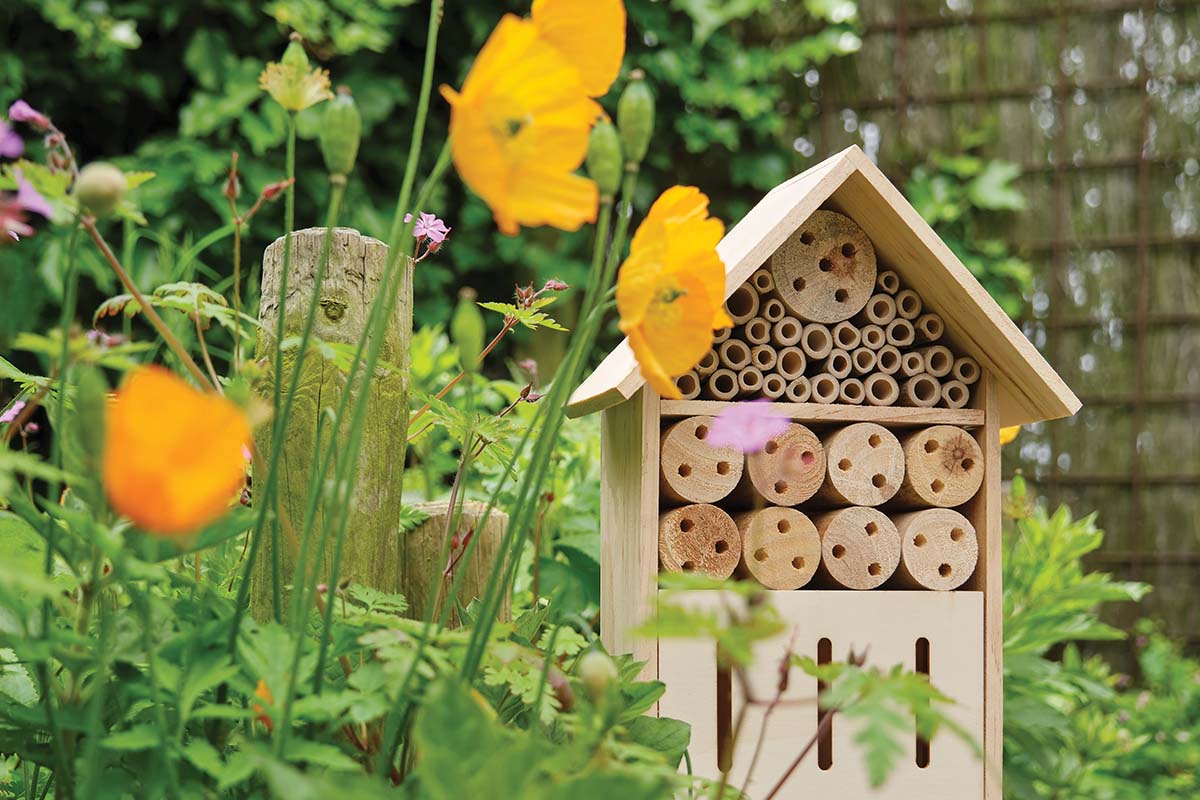
The local wildlife aren’t pests, especially in autumn. “Anything from pollinator friendly flowers to native trees can help wildlife,” explains Gillian Hatcher from Scottish Wildlife Trust. “Ornamental plants such as native bluebells and lavender are great for butterflies, bees and other insects, as are meadow species like ox-eye daisies or clovers. Blackbirds like thick cover and will often nest in blackthorn bushes. Craggy trees are great for other birds.”
Providing water is one of the best things you can do for wildlife. Fancy a pond? “Find a partially shaded space and start digging. Ideally, it will have shallow edges and a maximum depth of a metre. Use sand or some old carpet to create a bed and butyl rubber to line the pond. After that, just add (rain)water!”
Did you enjoy discovering things to do in your garden to prep for autumn? Read about some lovely autumn floristry workshops at Balgove Larder below.
Join us at Balgove Larder for a late summer floristry workshop that wows