

A top Scottish garden expert shares key advice for working with the elements at this time of year, instead of against them
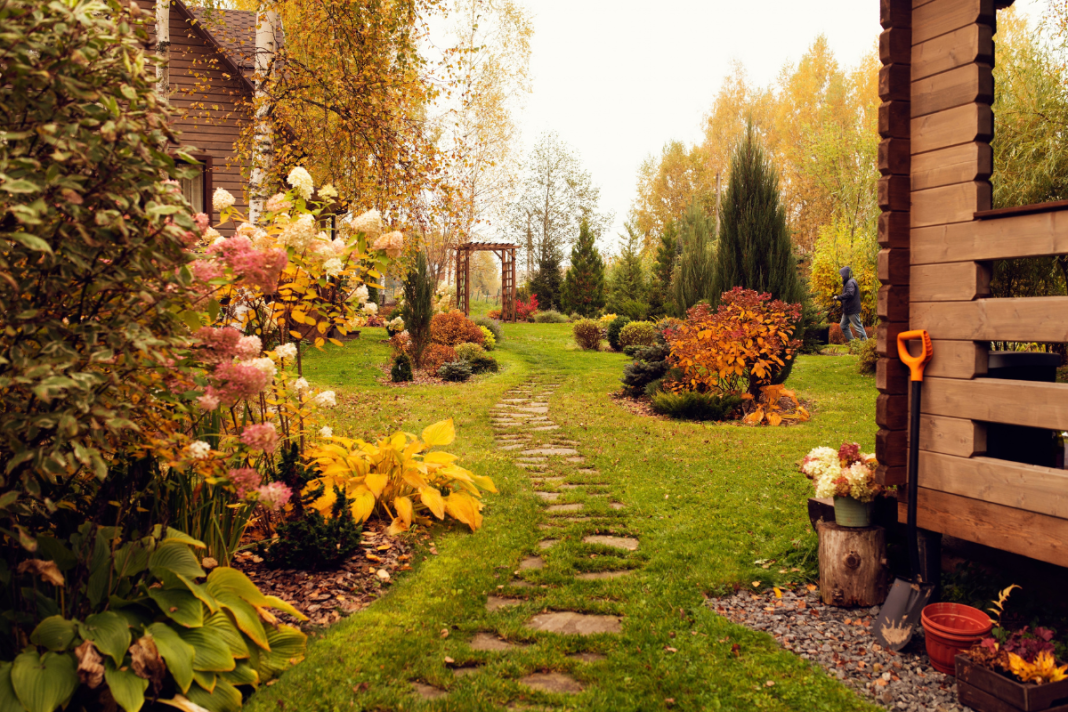
You know autumn has arrived when the trees trade their greens for vibrant oranges and reds. The ground becomes a cosy patchwork of colour, reminding us that the landscape is alive and needs our attention.
Gerry Condron is someone worth listening to at this time of year. With a lifelong passion for growing and 25 years of running Down To Earth Gardening in Edinburgh, he believes preparing your garden for winter does not mean shutting it down.

“The starting point is always understanding the land you have and working with it rather than against it,” Gerry explains. “Every garden, how ever small, has an opportunity to contribute whether that’s supporting wildlife, managing water, growing food or simply reconnecting people with the natural world.”
Here Gerry shares six tips to get his official green thumbs up and protect your garden during the colder seasons.
1. Don’t be too quick to tidy everything away this autumn
While it may be tempting to strip your garden back as soon as plants begin to fade, Gerry recommends taking a gentler approach.
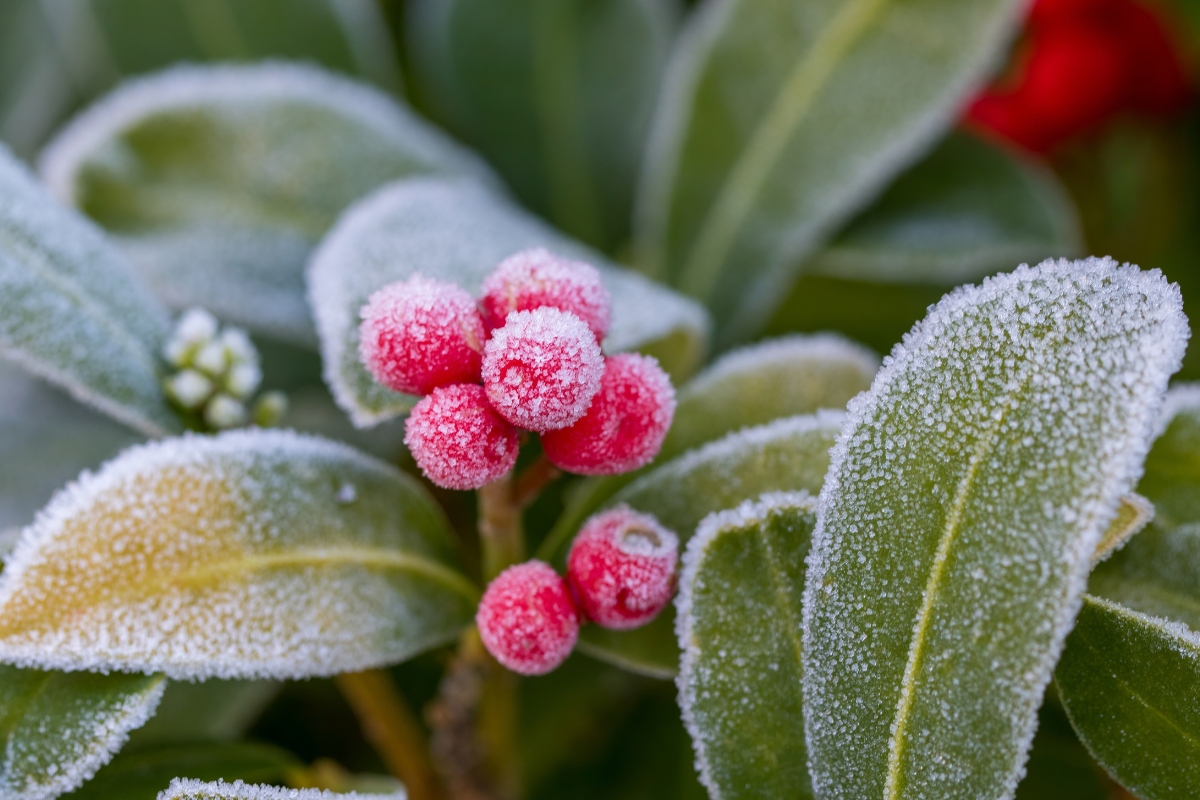
“Seed heads, hollow stems and fallen plant material can provide valuable shelter and food for insects, birds and other wildlife throughout winter,” He explains. “Many perennials also look beautiful when left standing, particularly when covered in frost.”
Instead of cutting everything back, remove anything diseased or damaged and leave healthy structural plants wherever possible.
Not only will it keep your winter garden more visually interesting, reducing disturbance creates a healthier garden ecosystem, supports biodiversity, and gives wildlife a safe shelter through the colder months.
2. Give your soil a protective winter blanket
As temperatures drop and we find ourselves reaching for hot water bottles and cosy throws, it’s important not to forget the garden needs its own protective winter cover too.
Autumn is an ideal time to mulch beds and borders with well-rotted organic matter, compost or leaf mould. Rather than digging the garden up unnecessarily, Gerry prefers to allow worms and soil organisms to gradually incorporate organic matter into the dirt.
“A generous layer of mulch helps protect the surface from heavy rain and winter weather while improving the soil beneath,” he explains.
Mulching helps conserve moisture, suppress weeds, protect plant roots from temperature fluctuations and gradually improve soil structure and fertility. “Healthy plants start with healthy soil,” Gerry insists.

3. Make fallen autumn leaves work for you
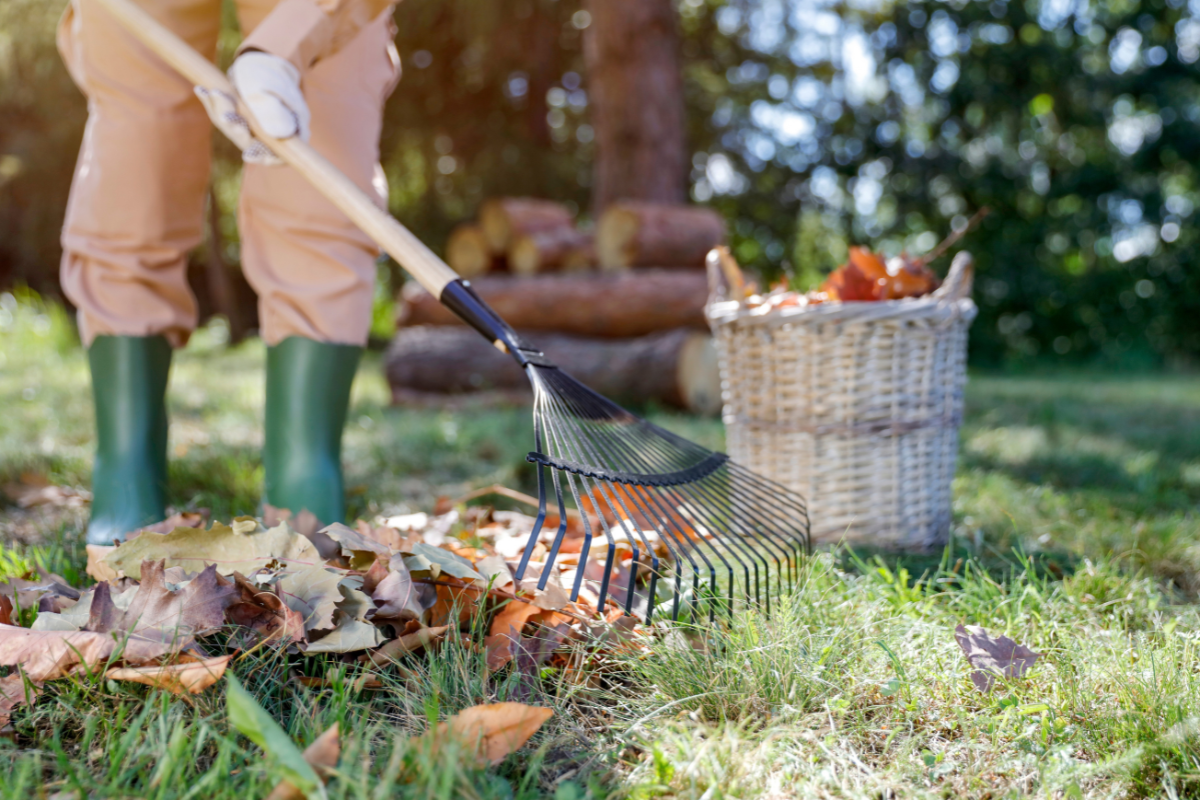
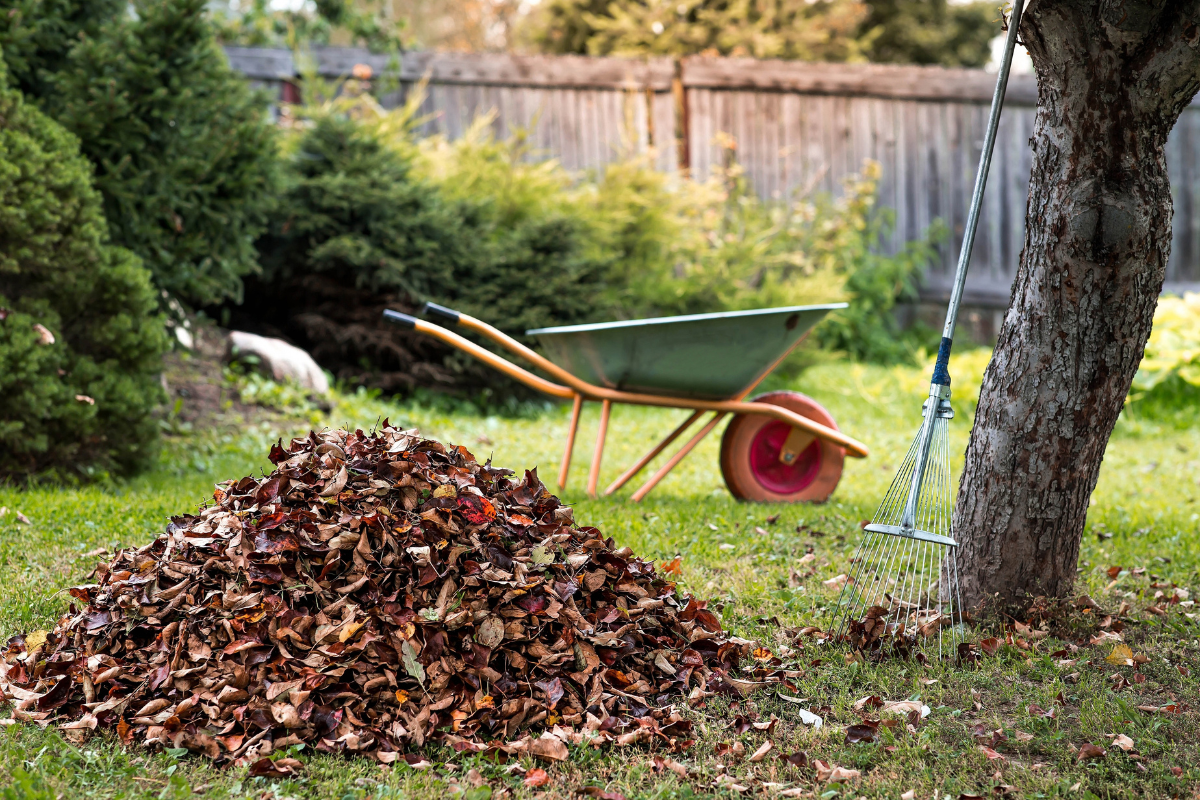
“Fallen leaves are one of autumn’s most useful free resources,” Gerry reveals. “Leaves should be cleared from lawns, paths and areas where they could become slippery or smother plants, but they don’t need to be thrown away.”
Collected leaves can be turned into leaf mould which is an excellent soil conditioner, as it improves moisture retention and reduces the need to bring additional materials into the garden.
Gerry sees this as a simple example of sustainable gardening in practice by taking something the garden produces and putting it straight back into the system.
4. Listen to the rain and pay attention to water and drainage
Scotland is famous for its rain but for gardeners, that reputation should be more of a conversation than a complaint.
The autumn rain can tell you where your garden needs attention and an offers an opportunity to work with the landscape, rather than against it.
Are areas becoming waterlogged? Is water running off hard surfaces? Are drains blocked with leaves? Could rainwater be slowed down, stored or redirected into planted areas?
Rather than simply trying to remove rainwater as quickly as possible, Gerry encourages gardeners to think about how it can become a resource.
“Rain gardens, ponds, bog gardens and rainwater harvesting can all form part of a more resilient garden,” he insists.
Better water management can protect plants and soil from prolonged waterlogging and erosion, reduce pressure on drainage systems, and also create valuable new wildlife habitats.

5. Protect vulnerable plants in autumn before the first hard frost
Since our winters can be brutal, planning now will save you time and heartache when the frost arrives.
Autumn can be the perfect time to assess vulnerable spots in your garden and take actions that protect next year’s display.
Gerry offers advice on how to get a head start on next year’s bloom saying, “Depending on the plant and location, this might mean moving containers into a more sheltered position, grouping pots together, adding mulch around root zones or providing appropriate horticultural protection during particularly cold weather.”
Tender and newly established plants need particular attention as temperatures begin to fall.
Containers demand special care because their roots are more exposed to temperature swings than those planted in the ground. A little protection at the right time can prevent frost damage, reduce losses, and give young and tender plants the best chance of establishing for the season ahead.
6. Create shelter from winds
Autumn is the moment to prepare for winter winds as much as falling temperatures. Take time now to check trees, stakes, fences and garden structures so you are not blown away when strong gales arrive.
“Check newly planted trees to make sure they are secure, but also ensure ties are not rubbing or becoming too tight,” Gerry encourages. “Inspect fences, pergolas, trellis, sheds and other structures for loose sections before strong winds arrive.”
In exposed sites, Gerry urges gardeners to think beyond temporary fixes and instead plan long term for shelter. Simple preventative checks reduce the risk of winter damage while careful planting will repay you season after season.
Visit the Down to Earth Gardening website | Follow Down to Earth Gardening on Instagram | Follow Down to Earth Gardening on Facebook
Looking for more ways to improve your garden this year? Click here to find out how to bring out your secret neighbours
8 sustainable ways to bring Scottish wildlife to your garden