

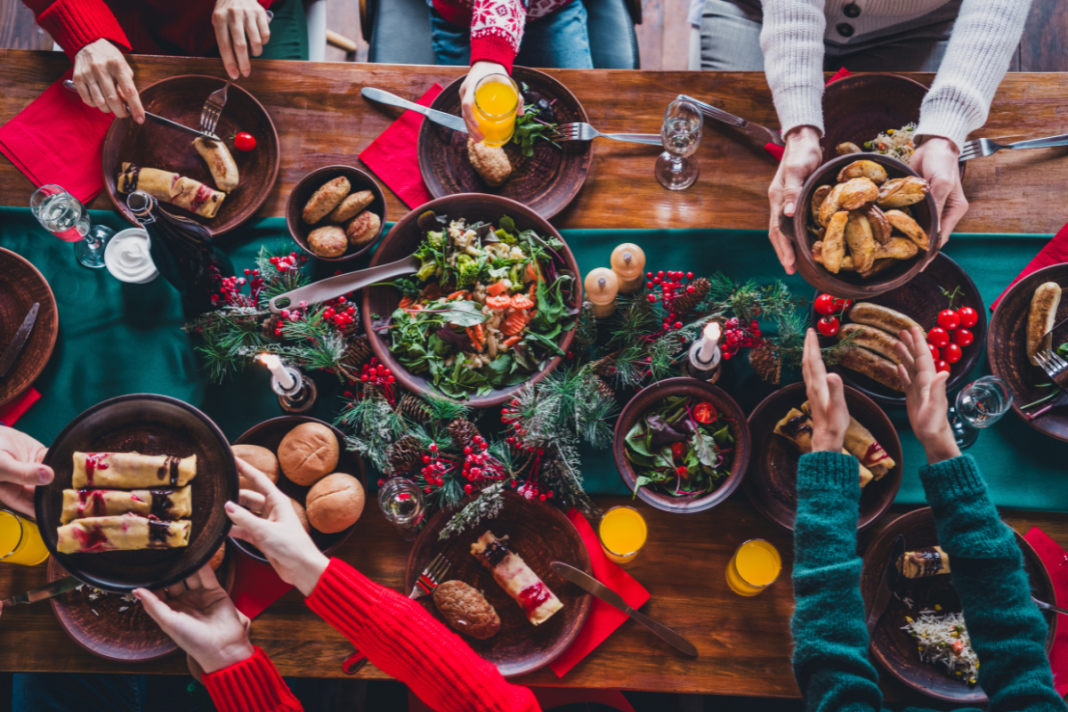
Give yourself the gift of homemade flavour this Christmas by growing your own ingredients – that might even outshine the star on your tree
While others wrestle with last minute supermarket chaos and long December queues this Christmas, you can relax by planting in autumn and getting a head start.
You don’t even need a garden to fill the table with your own produce. Many vegetables grow easily in pots and containers and are perfect for the smallest balcony or patio.
“August is still a great time to sow quick crops like potatoes and carrots and for anything else on the Christmas dinner list,” says Julian Palphramand, Head of Plants at British Garden Centres. “There is a real satisfaction in bringing something you have grown yourself to the Christmas table and you really do not need a huge garden to do it.”
Potatoes for perfect roasties
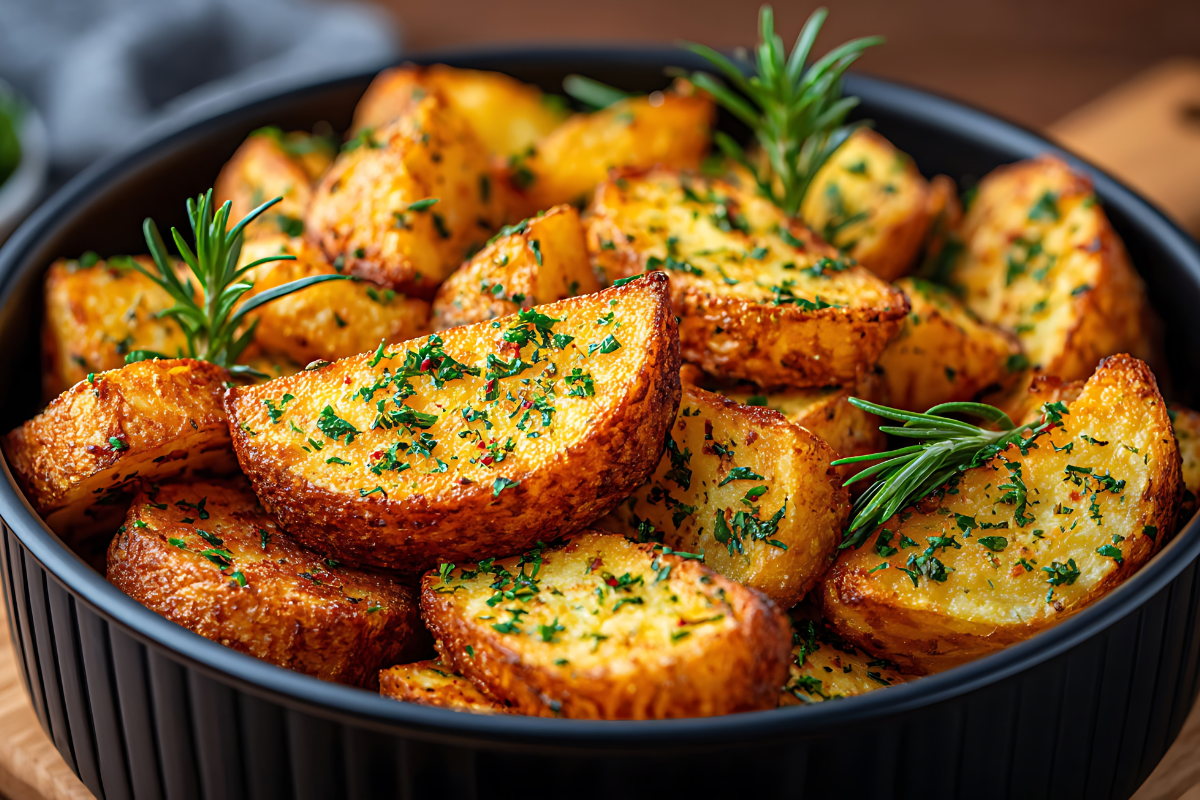
Potatoes are the backbone of the festive plate and if planted now would be ready in about 12 weeks. Great varieties include Charlotte, Duke of York, Maris Peer, and Pentland Javelin, which offer good texture and flavour for roasting.
You can grow them by using a container roughly 15 inches across and deep. Add 10 centimetres of multi purpose compost, then place up to five chitted seed potatoes and cover with another 10 centimetres of compost. As shoots appear, keep earthing up with more compost until full. Harvest when the plants flower for freshly lifted Christmas spuds.
Sage and herbs for seasoning
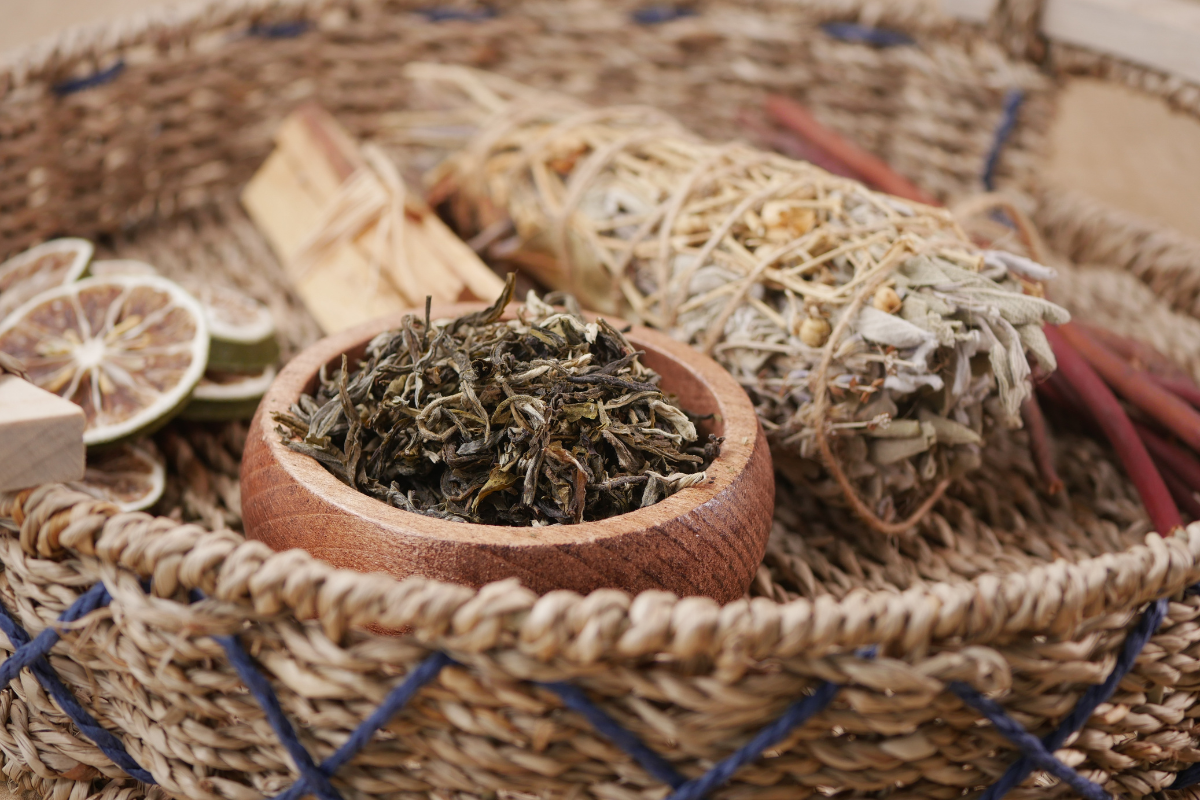
No stuffing or gravy is complete without fresh sage and herbs like thyme and rosemary. Sage is a slow starter from seed, so a young potted plant from the garden centre is the quickest route to a Christmas harvest.
It’s a perennial plant that’s happy in the sun or partial shade with well drained compost. Pinch leaves regularly to encourage bushy growth and dry some for longer term use.
Planting carrots for colourful plates
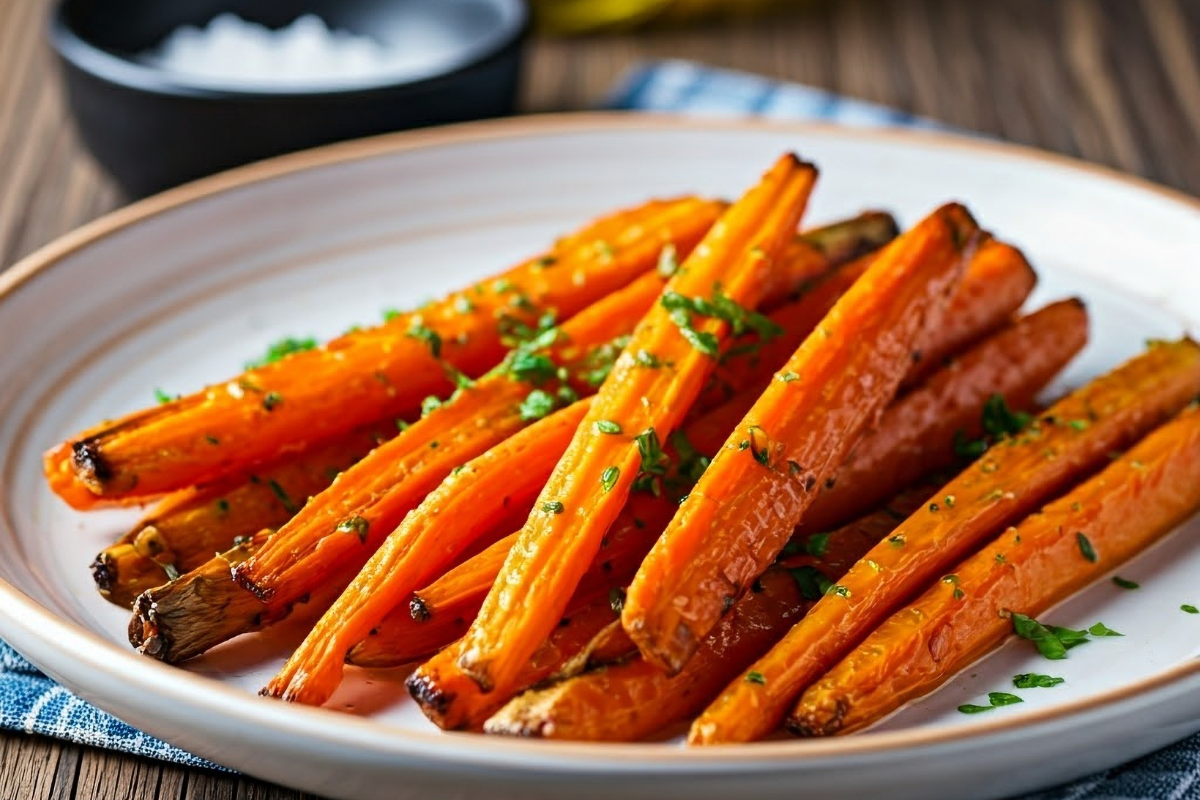
Quick growing, short rooted types are ideal when time is tight and they store well for weeks. Varieties such as Chantenay Oxheart and Round give sweet yet firm roots perfect for roasting.
Choose a container at least 30 centimetres deep with light well drained compost free of stones. Make shallow holes 1.5 centimetres deep and thinly sow three to four seeds per hole. Water consistently to avoid split roots.
Brussels sprouts for traditional charm
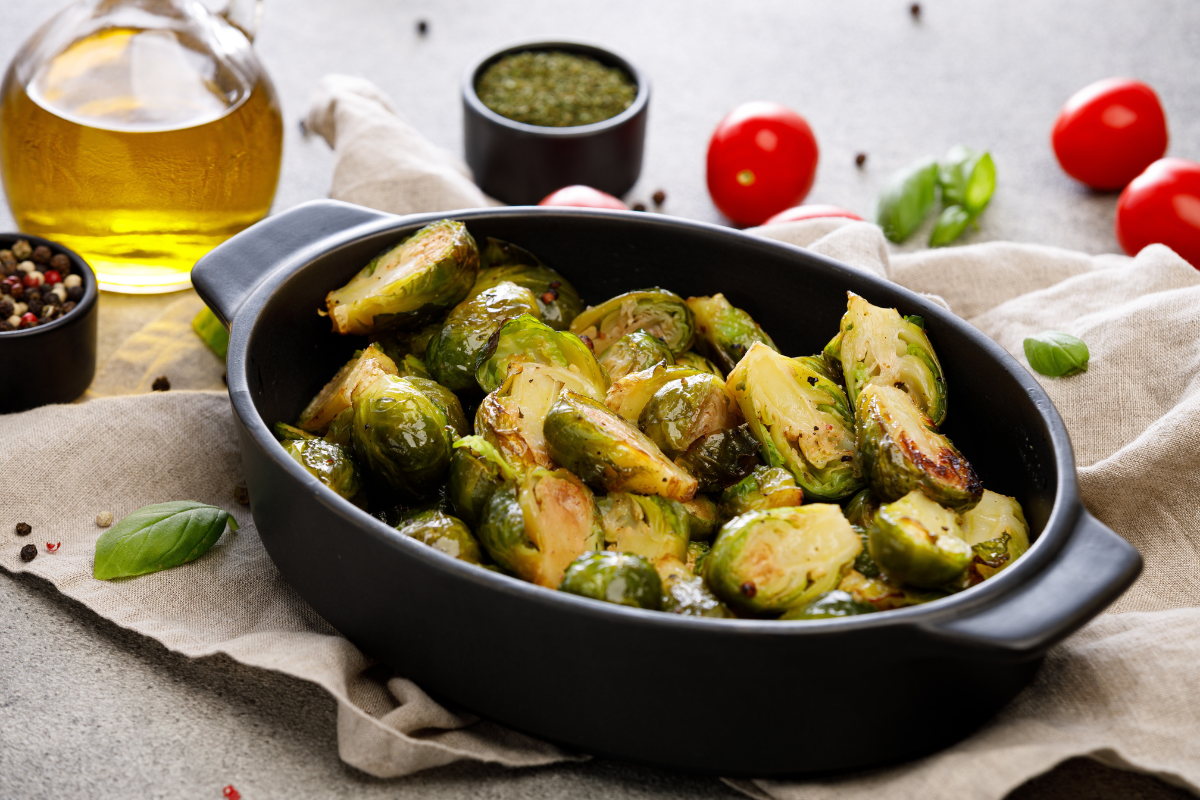
Love or hate them, Brussels sprouts are a Christmas dinner staple that have earned a spot on the table. They are a festive tradition because they are a hardy winter crop that reaches peak harvest season right in December.
They are usually sown between February and April, but don’t worry if you missed spring sowing – it isn’t too late to pick up strong young plants from the garden centre. Pot into a large deep container, firm them in, and let them stand through the colder months. Feed occasionally and harvest from the base upwards as the heads mature. When it comes to serving, we recommend slicing in half, and browning them off in a pan or skillet with diced pancetta or bacon. Rich, salty and delicious!
Cabbage for comfort
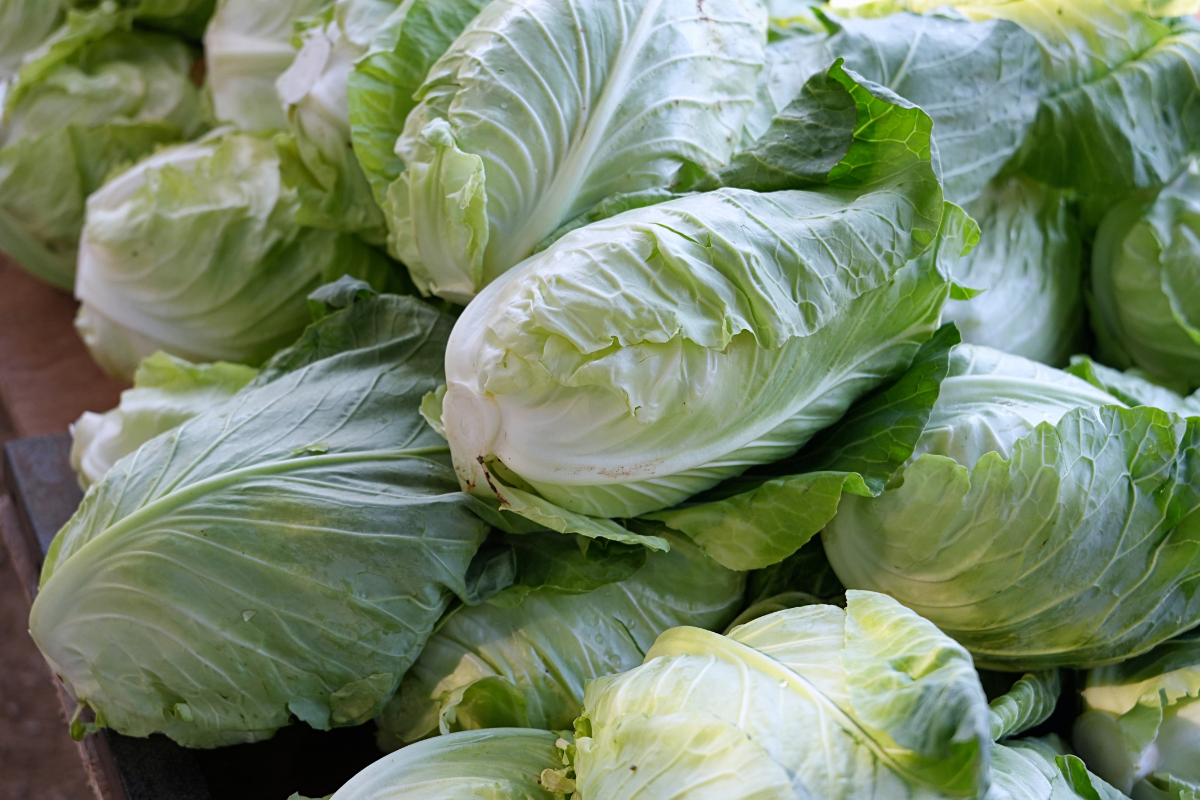
Welcome some festive colours onto your dinner plate by growing your own green and red cabbages. As a hardy winter vegetable, they are perfect for the colder nights when comfort food is a must.
Winter varieties such as Tundra grow well in large, deep containers around 12 inches in diameter and eight inches deep. If you haven’t sown since spring, pick up young plants in shops and pot them straight away. Water at the roots rather than over the leaves to prevent rot, and harvest once the heads feel firm. All there is left to do, is boil and serve.
Leeks for long lasting flavour
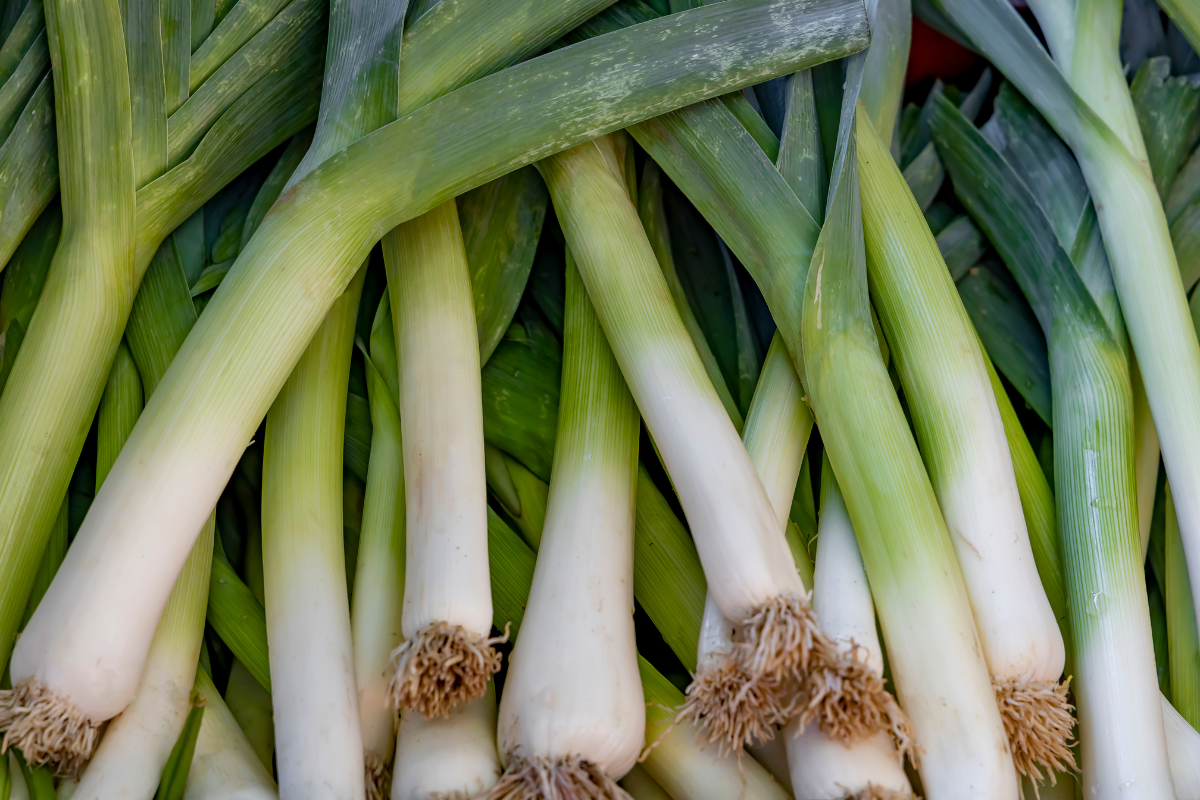
Leeks are hardy and keep fresh for weeks, making them perfect for staggered harvesting throughout December. Use a deep container at least 18 inches high.
Buy young plants if you missed spring sowing, then feed with a little poultry manure or balanced feed around the roots. Plant deeply and lift a few at a time with a hand fork for a continuous supply.
Cranberries for sauce made ahead
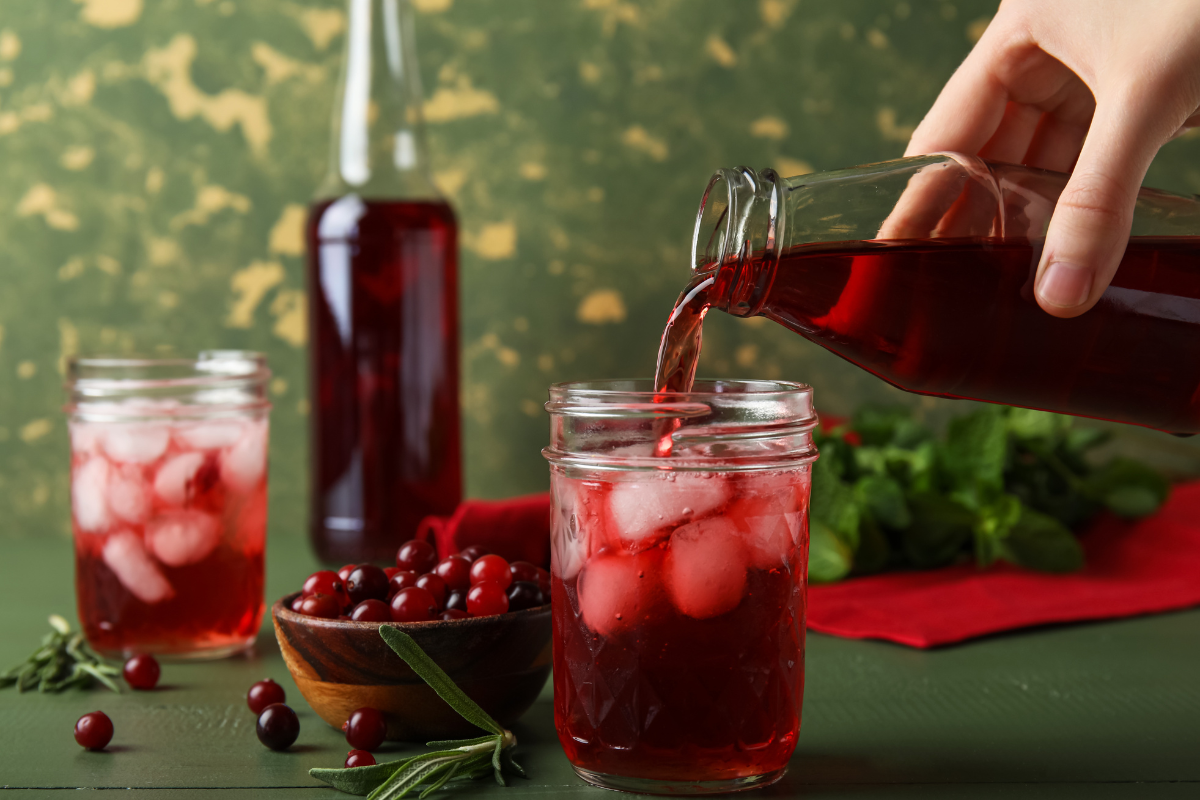
Fresh cranberries, which add colour and tang, can be harvested early and frozen. Buy young potted cranberry plants and grow in acidic compost in a large container about 12 inches across.
Water with rainwater if you can and harvest from late September to mid October, then cook and freeze as a sauce ready for Christmas.