
Insulated, decarbonised and with a green roof and solar panels, this old house could teach us a thing or two about the theory of evolution
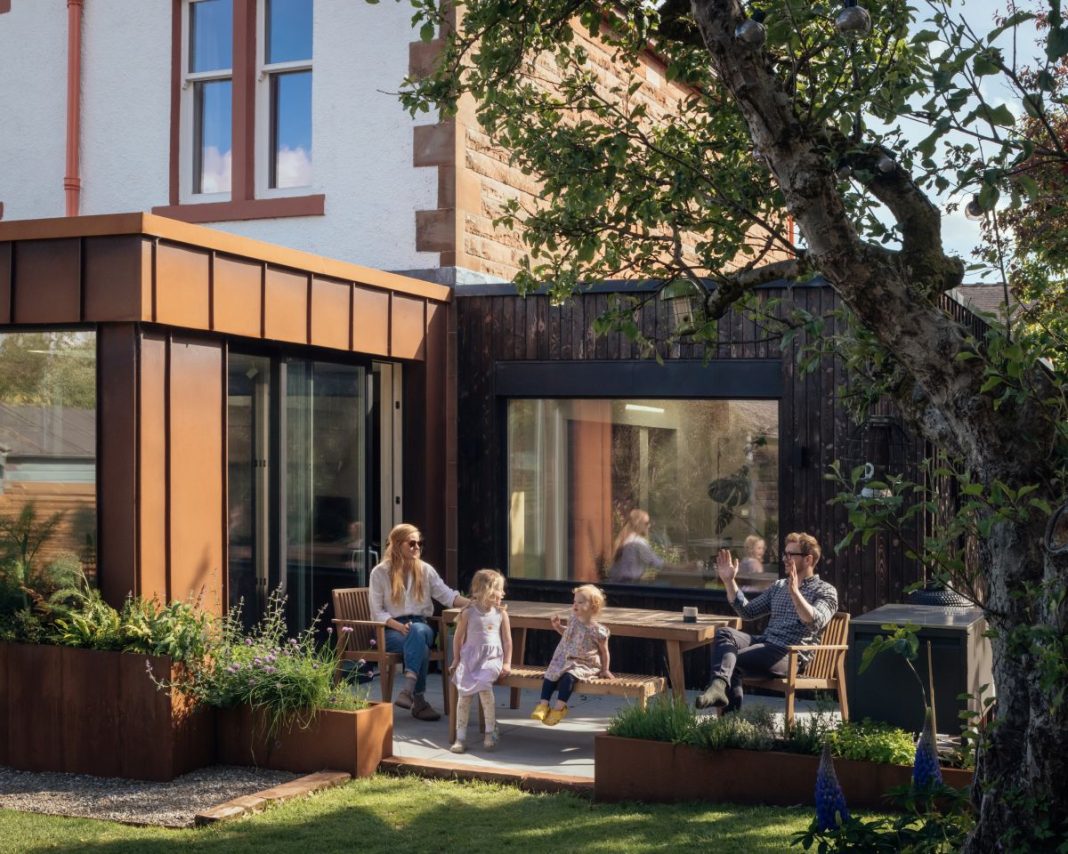
They say you can’t teach an old dog new tricks. Fair enough. But what about an old house? Well, if the radical transformation of this 19th-century property in Glasgow is anything to go by, there are no limits to how period homes can be brought up to date for modern life. The two-storey house, part of a red-sandstone terrace, is the home of doctors James Morton and Fenella Barlow-Pay and their two young daughters. If James’s name sounds familiar, that’s because he was a finalist on The Great British Bake Off back in 2012 and has written several books on bread and baking since then.
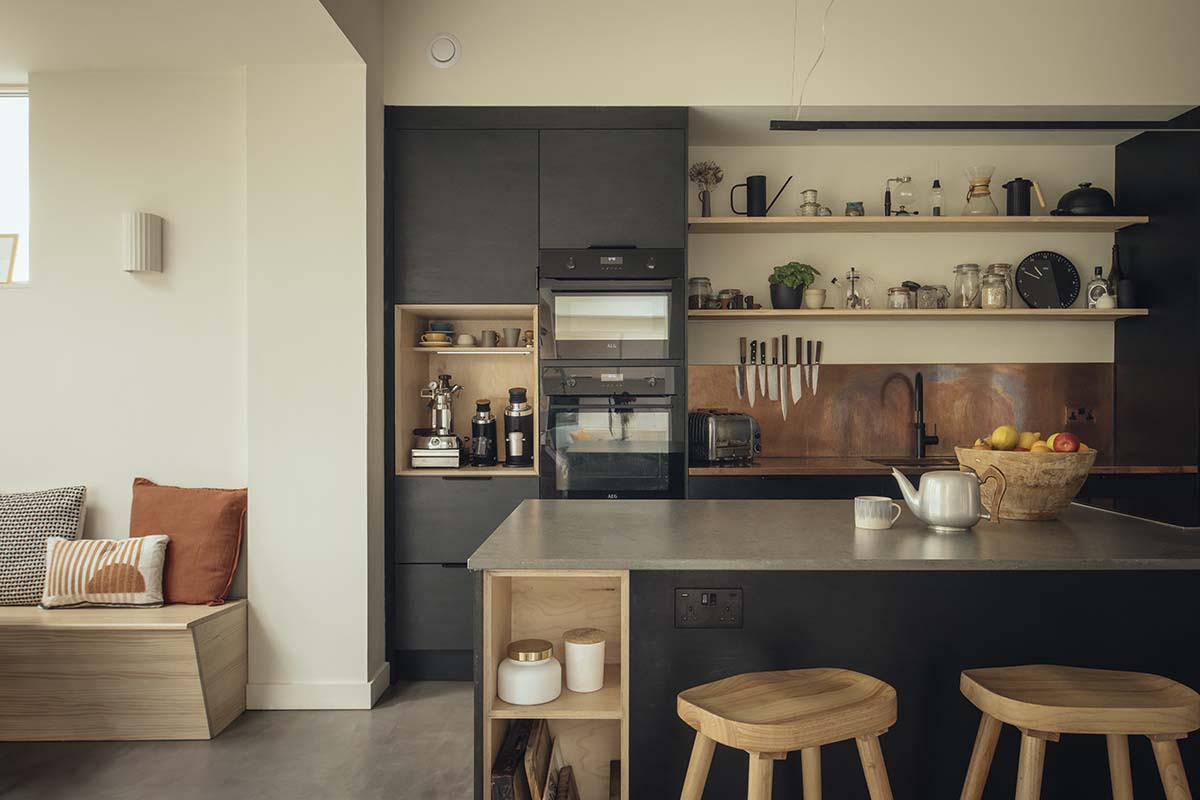
The couple wanted their home to be redesigned and made more suitable for 21st-century living. More than that, though, they were determined to make it a highly sustainable, super-efficient, eco-friendly building. Matt Loader, co-founder and director of Loader Monteith Architects, came on board to help them achieve that.
“When I first started talking to James and Fenella, it quickly became evident that what was driving them was a desire to be more environmentally friendly,” recalls the architect. “We had a lot of interests in common, in particular how you affect change in old buildings with a view to getting ready for Net Zero Scotland.”
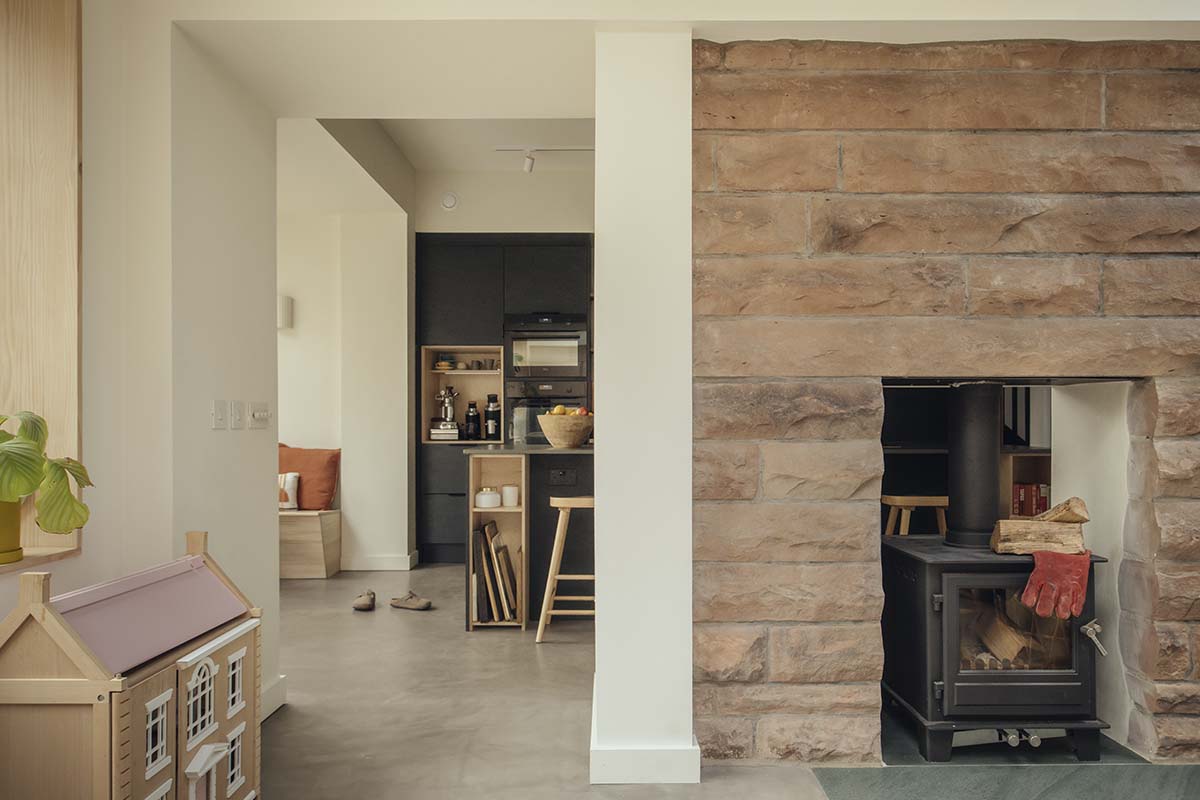
It helped immensely that James and Fenella were extremely knowledgeable and dynamic. To say they were hands-on is an understatement. “They were both really clued-up clients,” says Matt admiringly. “They’d done a lot of research and had a good idea of how they wanted to achieve their aims. There were elements they hoped to do themselves, and elements they knew they’d need help with.
“Rather than it being us taking them by the hand and leading them through it, it felt more like we were walking alongside one another on this project.”
The big question for them all was this: is it possible to effectively retrofit a house that was built in the 19th century to make it sustainable for the 21st? Happily, the answer is yes. All it takes is know-how and persistence. “It’s pretty straightforward if you have good guidance and a good masterplan,” explains Matt. “Here, the whole of the envelope – the ground floor, the external walls, the roof – was reinsulated, then the external walls were limeplastered so that the building maintains its breathability. All the windows were replaced with high-performing double-glazed sash-and-case units.
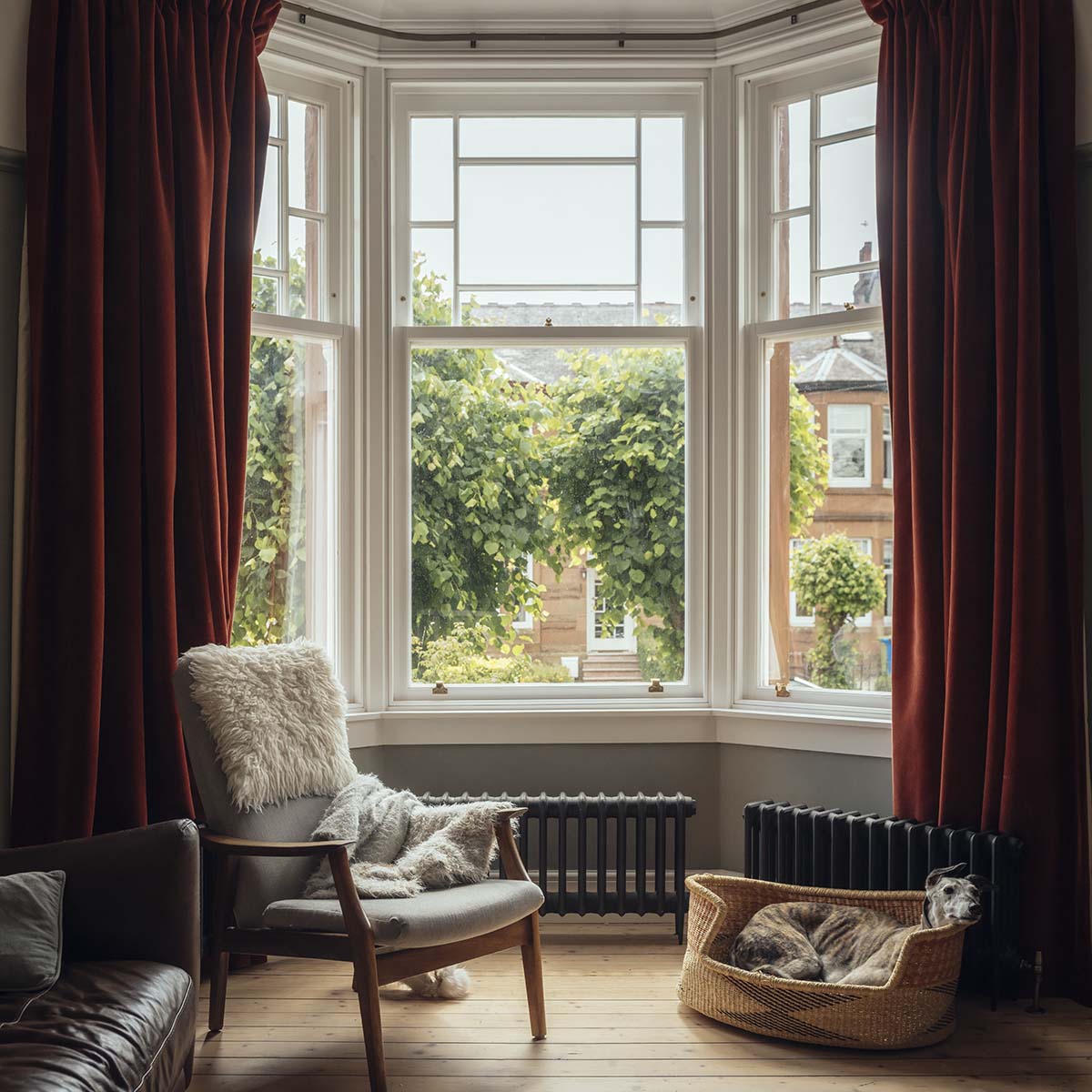
“None of the materials used in the reinsulation process were derived from the oil industry. They’re all breathable, natural materials. And there’s no fossil fuels used here any more – there’s an air-source heat pump instead of a gas boiler, and this is the first house in the area to get photovoltaics onto the roof.”
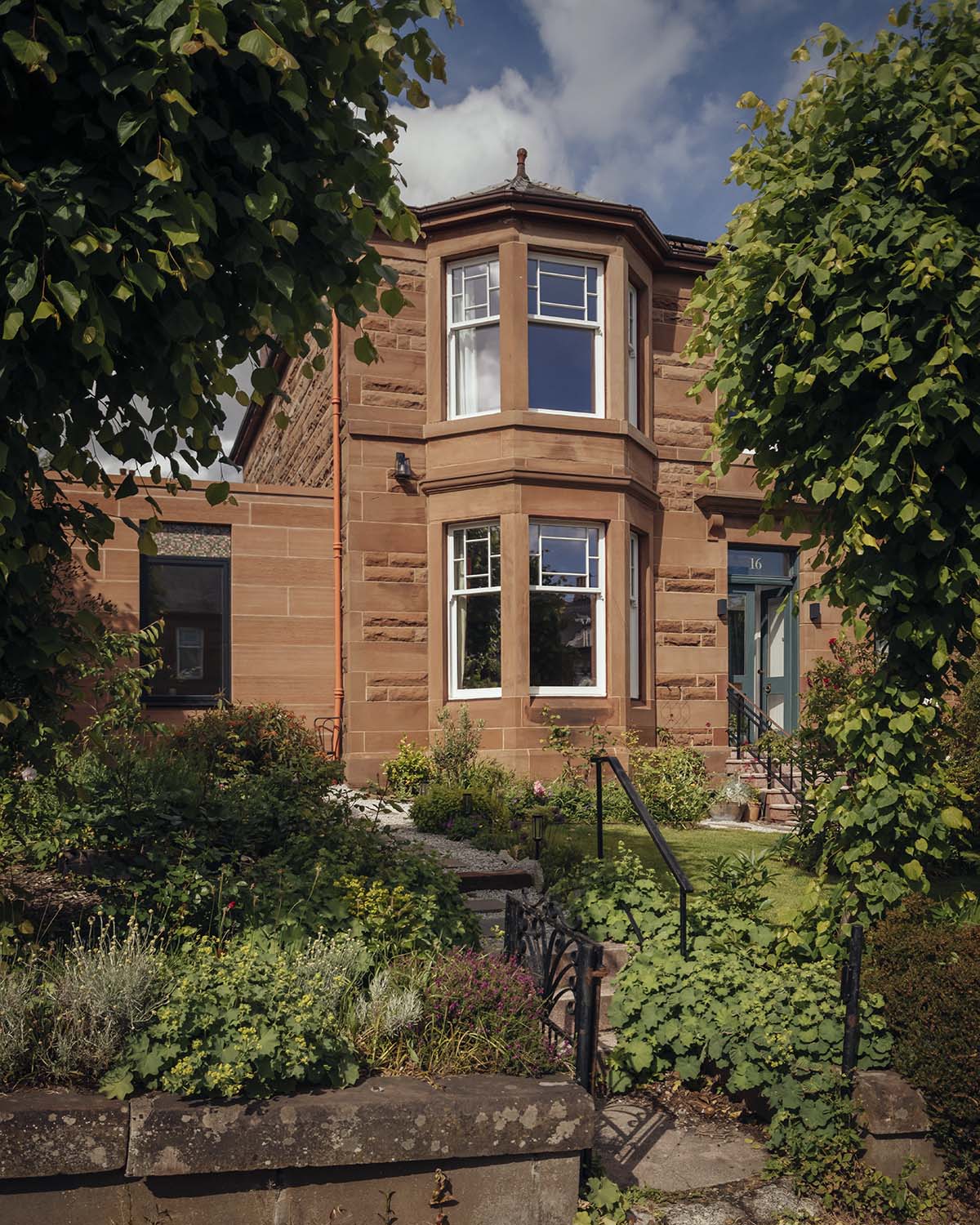
Getting permission for those solar panels was not easy, but it does prove that with a little determination, sound knowledge and impressive powers of persuasion, paradigms can indeed be shifted. “When we submitted our plans with the photovoltaics, we knew it was contrary to policy,” admits Matt. “The council’s initial response was that we’d need to take them off the roof if we wanted our plans to be approved.
This is an excerpt from issue 164 of Homes & Interiors Scotland. Want to read more? Buy your issue here.
A curved extension transforms this sumptuous Arts & Crafts villa