

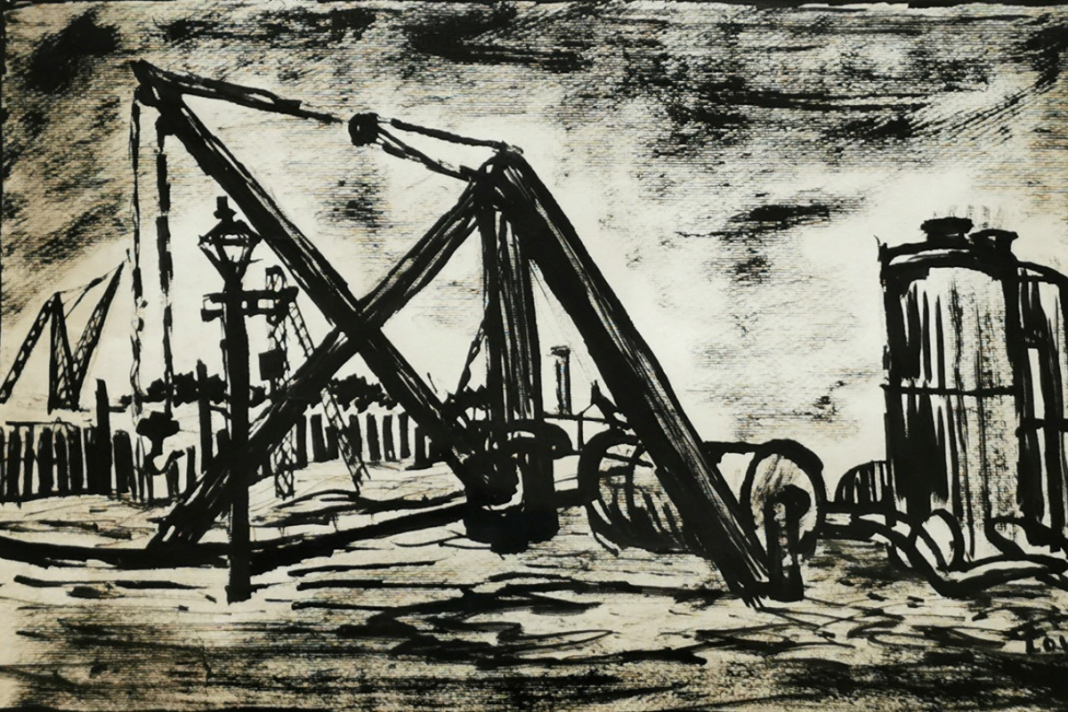
Bet Low is finally getting the recognition she deserves, after struggling to get the same attention as her male peers while creating profound post-war art in Scotland
Bet Low has not always received the flowers her art deserves, despite producing some of Scotland’s most insightful works during the twentieth century.
While she was a well-known active force in Glasgow’s post-war art scene and a major contributor to modern landscapes, historians and critics note she was rarely given the same mainstream spotlight as her male peers.
Now, almost two decades since her death, a surge of interest is starting to bloom, thanks to major centenary exhibitions and an overall wider reassessment of mid-century Scottish women artists.
Here we take a look back at her life to discover why Bet Low finally deserves to take her place as one of Scotland’s most significant painters.
Who was Bet Low
Born in Gourock in 1924, Bet Low found her artistic footing in a coastal town shaped by sea and industry. She won the Rankin Art Prize at Greenock Academy and in 1942, enrolled at Glasgow School of Art. There, she studied with notable tutors and counted Joan Eardley and Ian Hamilton Finlay among her peers.
After graduating in 1945, she attended Hospitalfield Summer School in Arbroath, which sharpened her visual imagination as she explored wider interests in literature, drama and politics. She briefly trained as a teacher at Jordanhill, but found classroom life uninspiring for her practice.
It wasn’t until a chance friendship with celebrated Scottish actor and comedian Stanley Baxter that pulled her into working for Glasgow Unity Theatre. Here, she was able to design sets, paint backstages and immerse herself in the city’s progressive cultural circle. It also introduced her to Tom Macdonald the theatre resident designer who eventually became her husband.
During this time, she was living in a single room on Sauchiehall Street, near the theatre, while supporting herself with illustration portrait commissions and stage work.
Many summers were spent on Hoy in Orkney where island light and stunning horizons challenged her to transform her art style. This contrasted with her city drawings that had been capturing war damaged streets and industrial Clyde scenes. Together her Glasgow experience and Orkney summers created a tension between urban grit and elemental solitude.
Her art
Bet Low’s work sits between Glasgow grit and Orkney stillness with elegant restraint and emotional clarity.
Her Glasgow post-war paintings record bomb scarred streets and industrial riverbanks with raw, tactile brushwork.
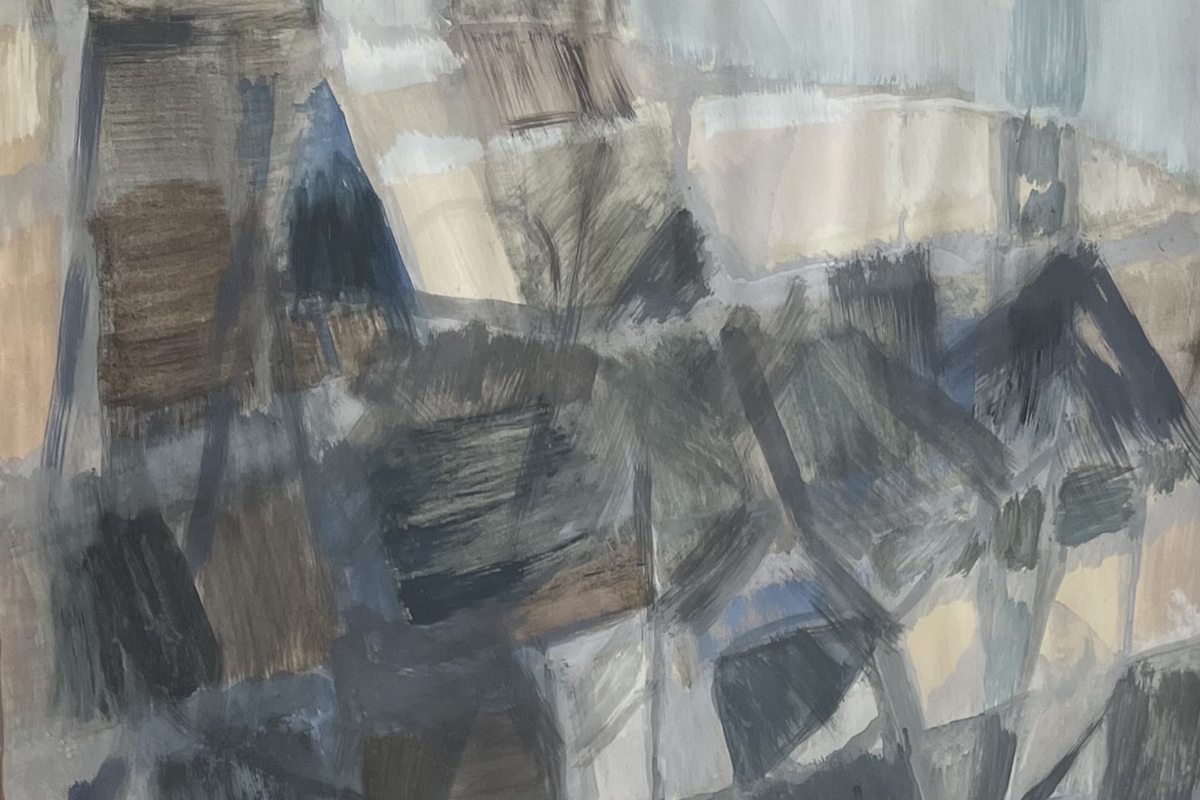
Works like ‘Estuary’ 1967 show her love of energetic mark making and intense blues that mimic moving water.
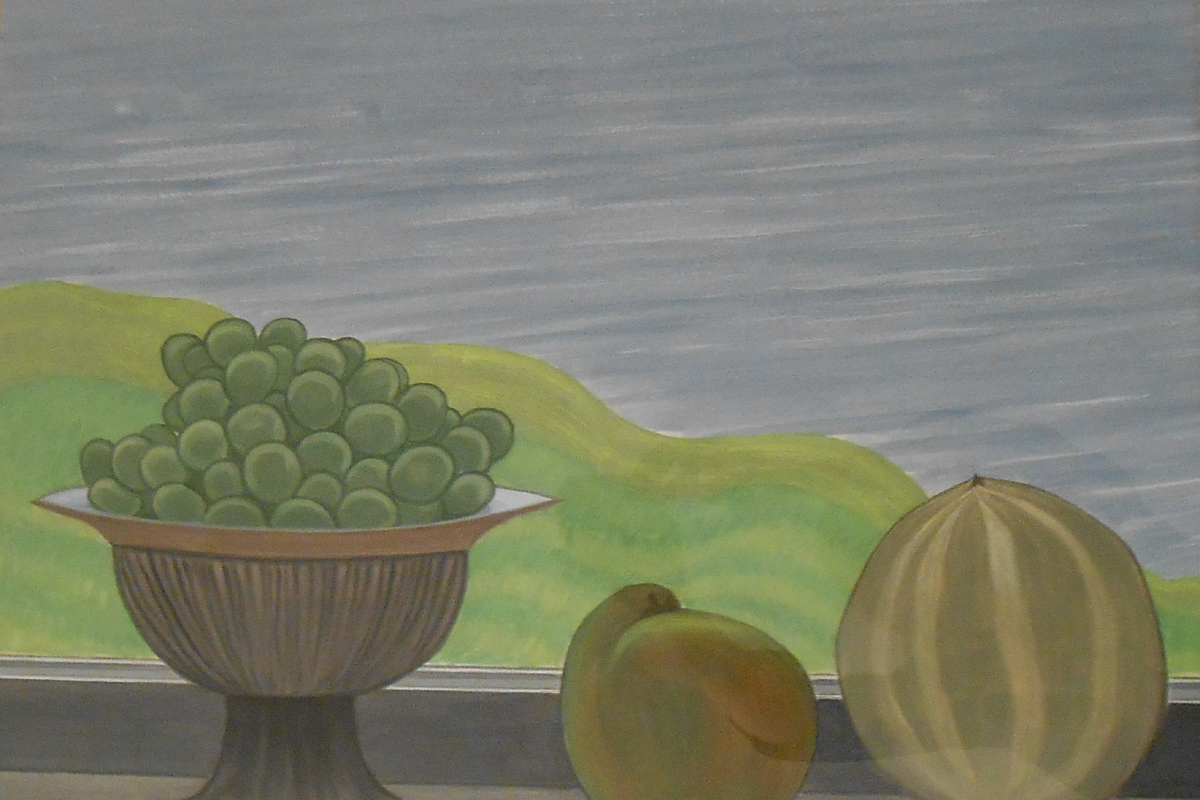
By contrast, her Hoy landscapes are spare and luminous focusing on light space and subtle tonal shifts.
Low’s watercolour dreamy ‘Moonrise Northern Isles’ captures early summer light. Meanwhile images like ‘After Sunset’ reveal her talent for removing the superfluous and leaving only the emotional essentials. Her summers sketching on Hoy fed a notebook practice that became the backbone of studio paintings in Glasgow winters.
One entry reads: “Dove grey-bluish hills, lower ones towards water slightly darker, more greenish grey, as with darker strips of water. Brightest part, except for sun, is long straight strip of water at shore edge – pale, bright, silvery grey white dividing picture in two. Strip of sun brilliant gold/orange like moonlight on water. Soft and frosted when it is on light strip only. Except for sun – all picture frosted over – a pale milky grey.”
Whether in delicate watercolour or in more muscular oil paintings, Bet Low created a portfolio that reads like poetry.
Her collaborations and exhibitions
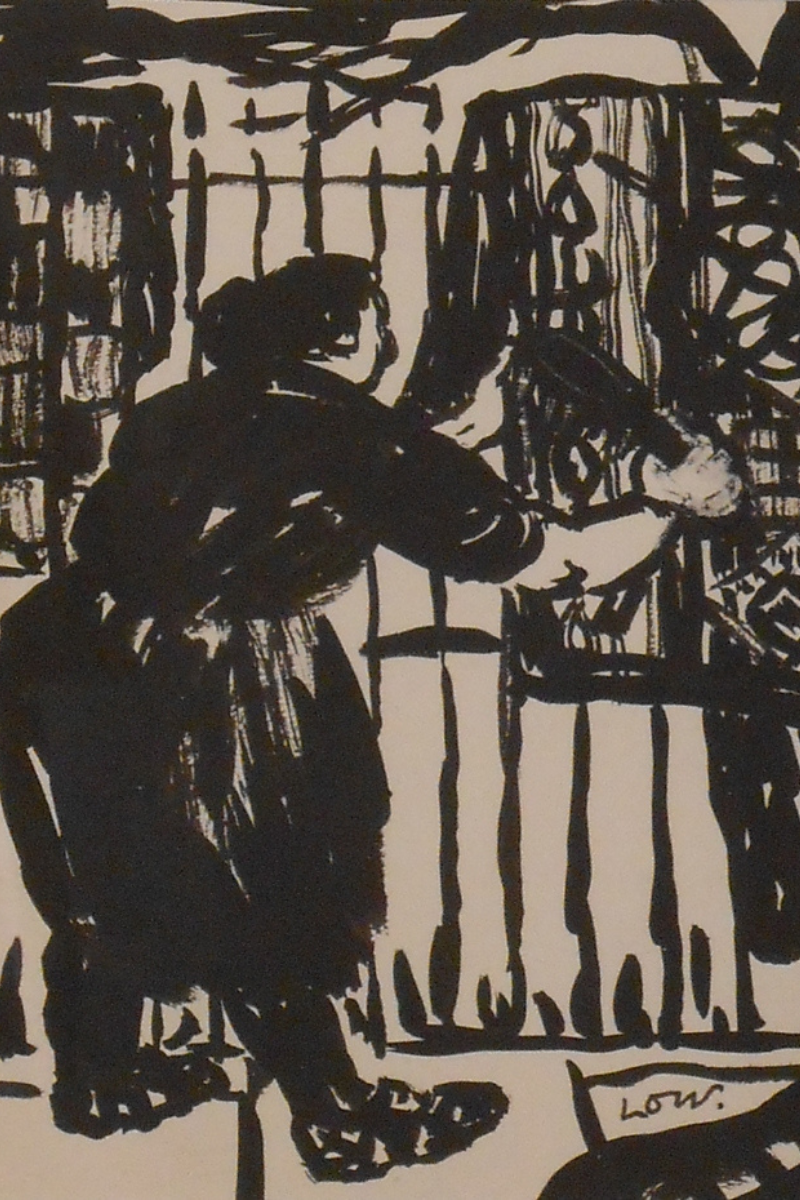
In 1946, Bet Low joined the Clyde Group of Writers and Artists, an active left leaning collective that brought art and poetry to Glasgow’s working class. That membership shaped her politics and subject matter and inspired bold expressionistic ink drawings of a vanished Glasgow.
From the late 1940s, Low exhibited widely across Glasgow regularly showing at the McLellan Galleries and at the Glasgow Society of Lady Artists Club in Blythswood Square. Early in her career, she also exhibited with the Glasgow Unity Theatre where she worked on set designs.
Low and fellow artist John Taylor established the New Charing Cross Gallery in the 1960s to showcase progressive work in the city. They invited renowned collector Cyril Gerber to join the board and his later Compass Gallery carried forward that mission promoting Low and her peers.
Both galleries finally provided a much needed platform for experimental and left leaning artists in Glasgow.
The largest collection of Low’s work seen this century appropriately celebrated her centenary in a Reid Gallery and Pier Arts Centre collaboration with over 60 works.
Coming 17 years after her death, it suggests the world is finally giving her her flowers.
Looking for more unsung Scottish art heroes? Click here to see what we can learn from this Scottish artist about never giving up.
What we can learn from this Scottish artist about never giving up