
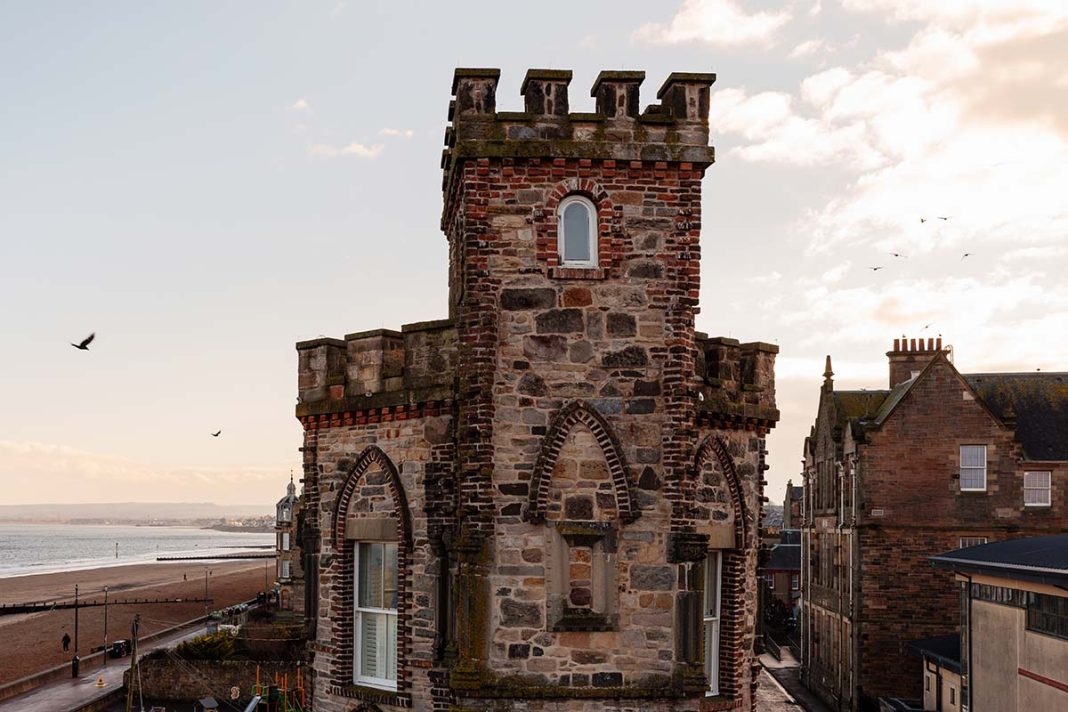
The Tower on Portobello’s promenade could be easy to miss, upstaged by the vibrant red turrets of the neighbouring Nobles Amusements arcade. Take a quick left onto Beach Lane, though, and you’ll see the real star of the show
This post was written in partnership with The Tower
The Tower, an 18th-century gothic stone tower on Portobello promenade, was once owned by Harry Marvello, a renowned magician and close associate of Harry Houdini. But it isn’t its magical past or tantalising beach views that make this octagonal tower so enchanting today. For this, you can thank owner and creative director Zahra Noble-Sabokbar’s impeccable eye for interior styling.
We speak to Zahra about the origins of The Tower and how she helped her family transform it from a misshapen ruin at the bottom of their garden into an uber-cool creative space for exclusive gatherings, shoots, brand takeovers, elopements and supper clubs.
What are your earliest memories of The Tower?
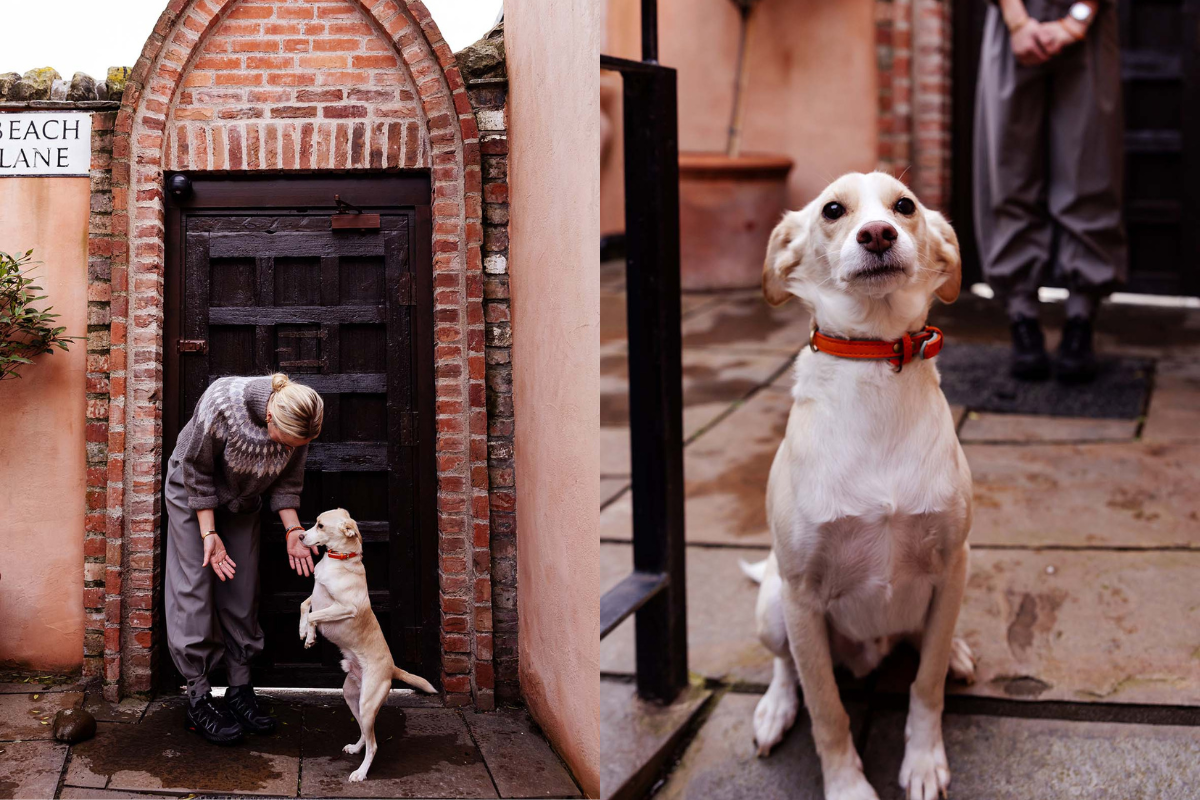
I was around The Tower for almost my entire childhood. It was a ruin at the bottom of my parents’ garden, held together by a net that my dad cast over it one day. They bought the place in 1982 and, prior to now, had been chipping away slowly at renovations. The actual restoration process took them about 20 years to complete. I came in as creative director when we needed to make it look pretty, and to run it as a venue.
What was the most fun part of the renovation and redesign?
One of the most fun parts of this renovation is that everything has a story, and there is a reason for everything in the building. We have family heirlooms sprinkled throughout, salvage yard finds, and really iconic pieces of furniture from some of Edinburgh’s favourite social spaces. For example, in the living room, we have a huge silver mirror from the old Cameo Bar in Leith. It’s closed now, but I had a director use The Tower for a shoot and he told me Cameo Bar was where, decades ago, he had his first date with his now-wife.
Is it this sense of storytelling that makes The Tower special?
Yes. Having these little nods to recent history is a really nice biproduct of sourcing vintage pieces from architectural salvages across Scotland. My mum and I love wasting hours digging through these yards, so most of our pieces already have lives and stories attached to them.
Despite The Tower’s origins, your new interior isn’t gothic or gimmicky; it feels connected to the land. Where did you find inspiration?
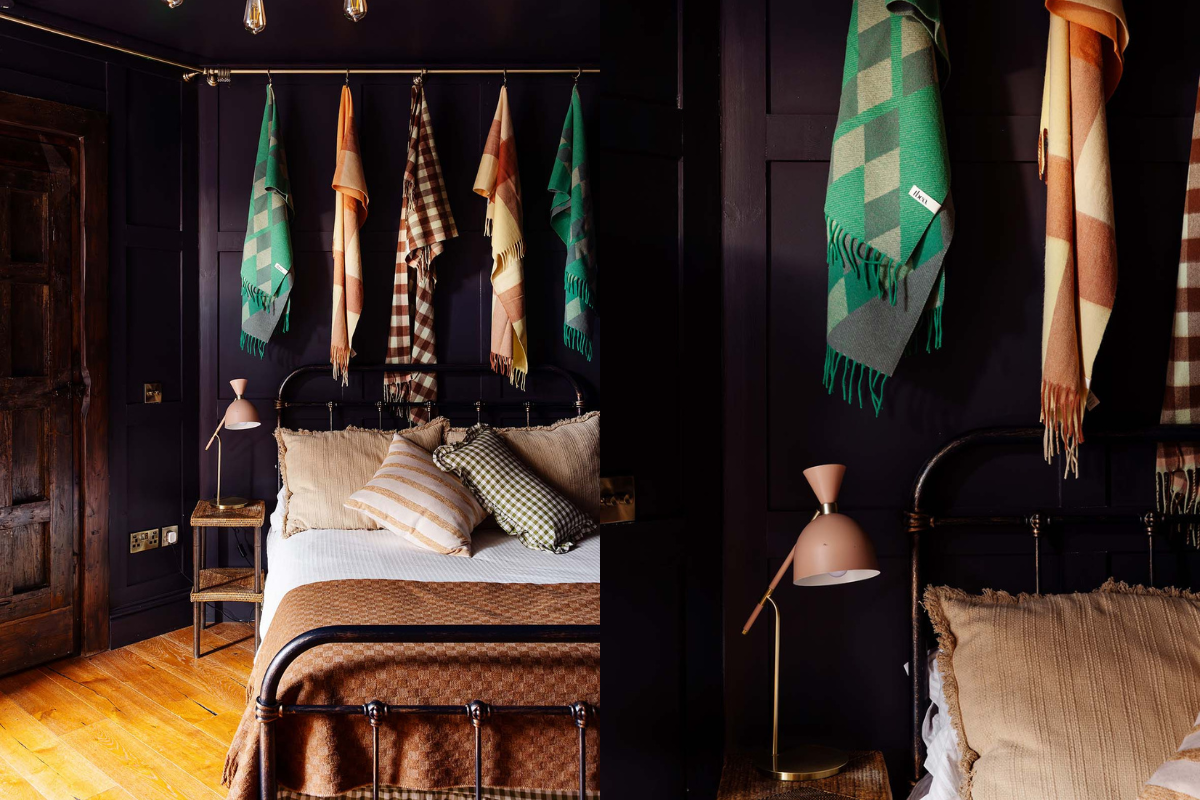
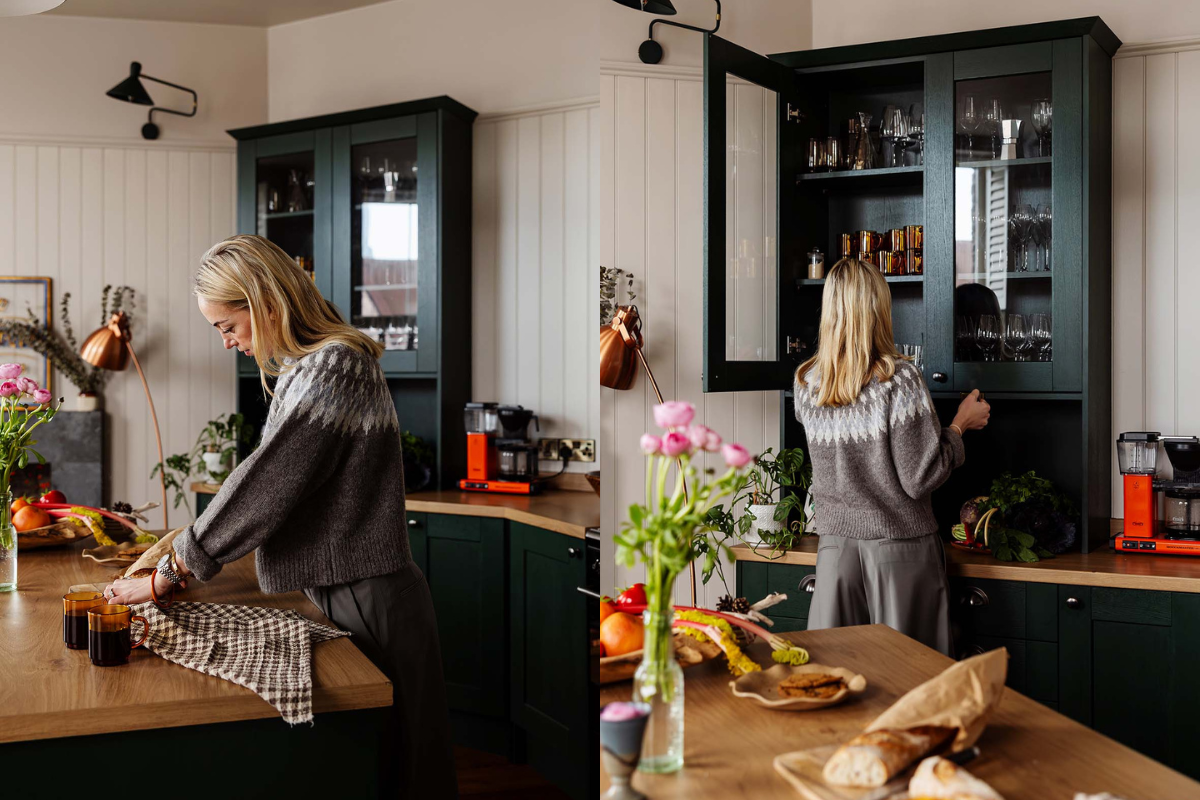
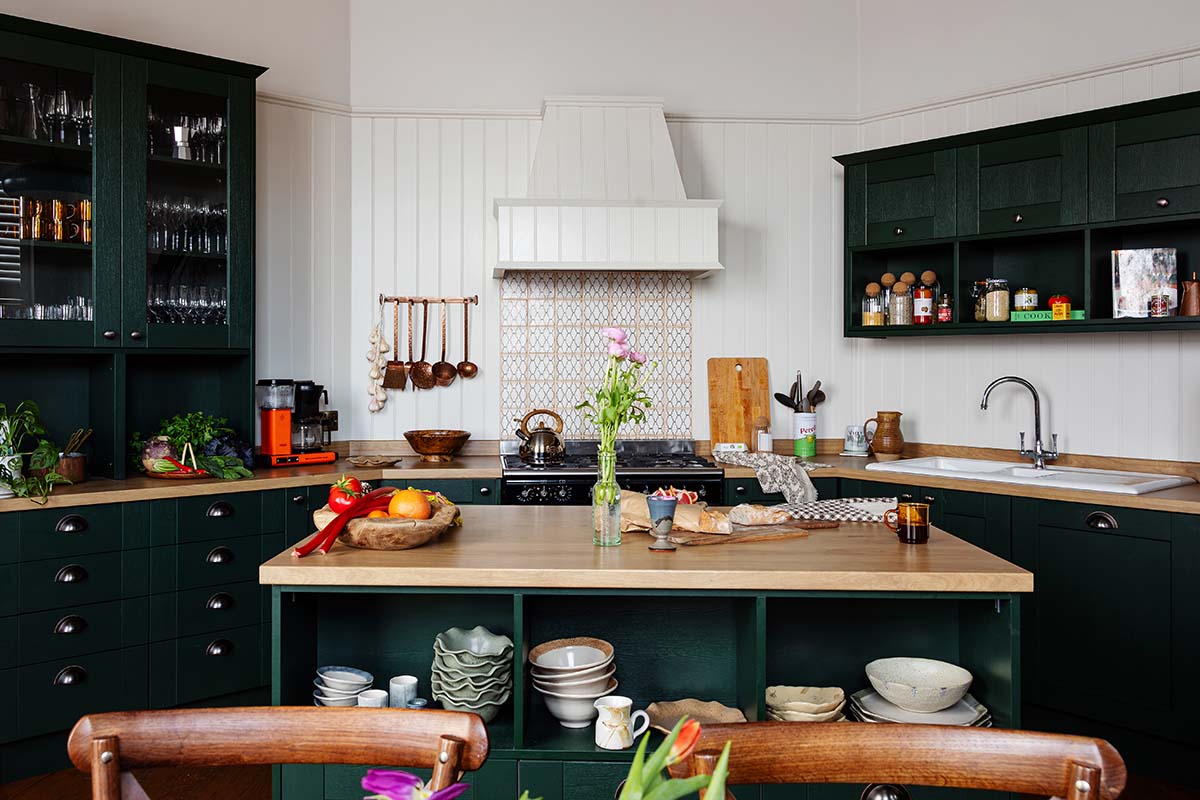
We wanted to avoid this completely, so kept the colour scheme muted and held onto raw materials like copper and stone. The bedroom is decorated with plum and light pink; the kitchen in off-white and green; the living room in cream and purple; the bathroom in rusty orange and gold; and in the hallways, just a lick of paint and a polish to the original stone.
And this sense of cross-provenance through storytelling goes beyond the décor, right?
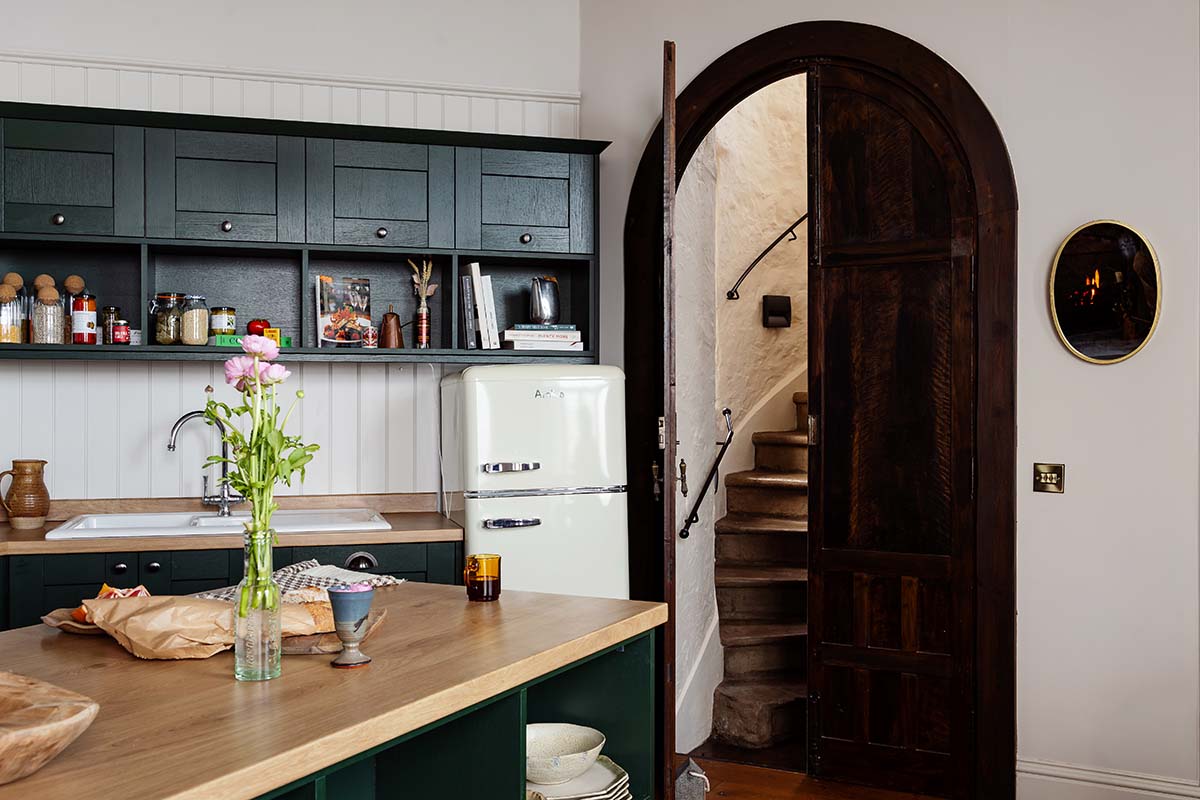
Absolutely. All the doors in The Tower were sourced from the same salvage yard in Spain.
We stayed as a family in a lovely boutique hotel years ago. It had these incredible doors, and before we left, we asked the manager where he had sourced them from. It turns out they were from a wee old man who would go round the old churches and monasteries in Spain and reclaim the doors. He’d take these heavy wooden doors, with their golden hardware and intricate carvings, up to his salvage yard in the mountains to clean them up and sell them on.
We came back, measured all The Tower’s doorframes and had him send a handful of these gorgeous doors over to us about six months later. Our joiner built bespoke dark wood frames that complement the sun-washed structures beautifully.
What structural quirks did you encounter?
The original builder was not a very good builder – terrible, in fact. The Tower was built below sea level, on top of sand, with no proper foundations. It’s unbelievable to say, but none of the walls were connected to each other! All four stood independently of one another, held together by rotting floorboards.
But doesn’t the architecture tell many stories too?
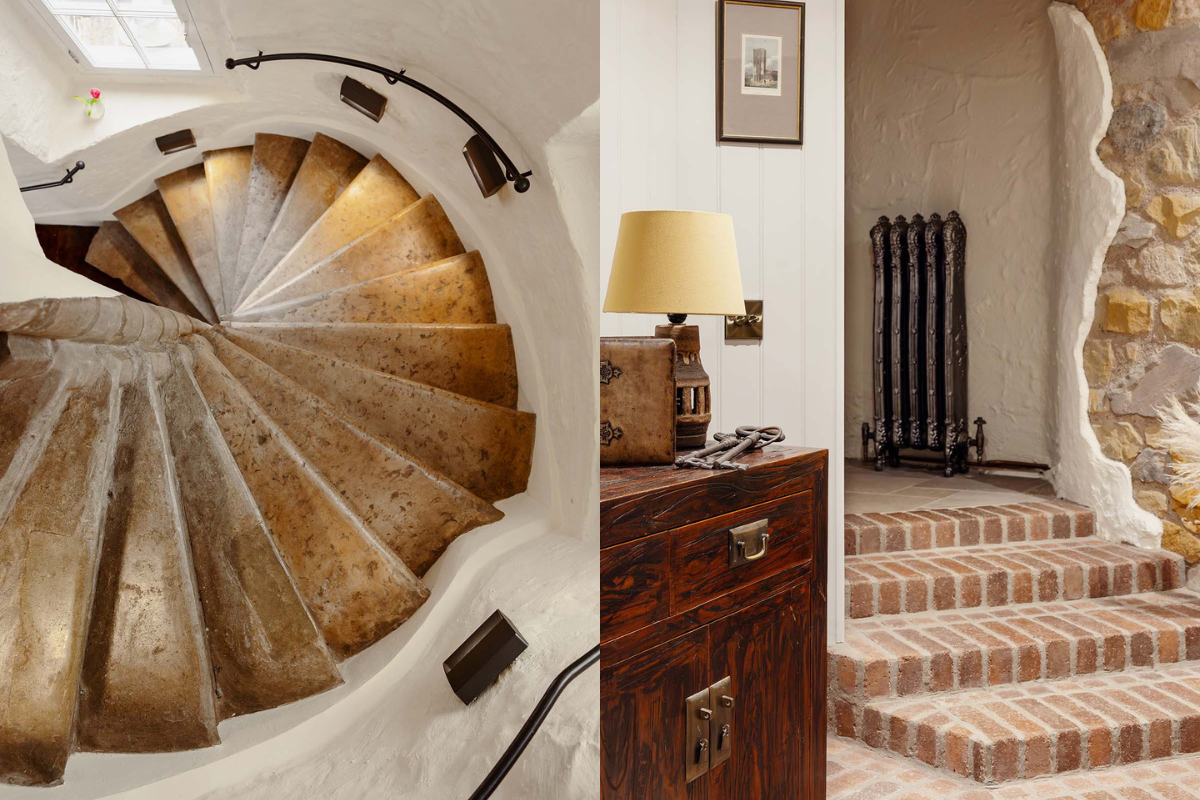
It was built in the late 18th century by lawyer John Cunningham, and we believe the structure contains stones salvaged from older Edinburgh buildings cleared for the South Bridge project. In other words, it’s a physical patchwork of the city’s past.
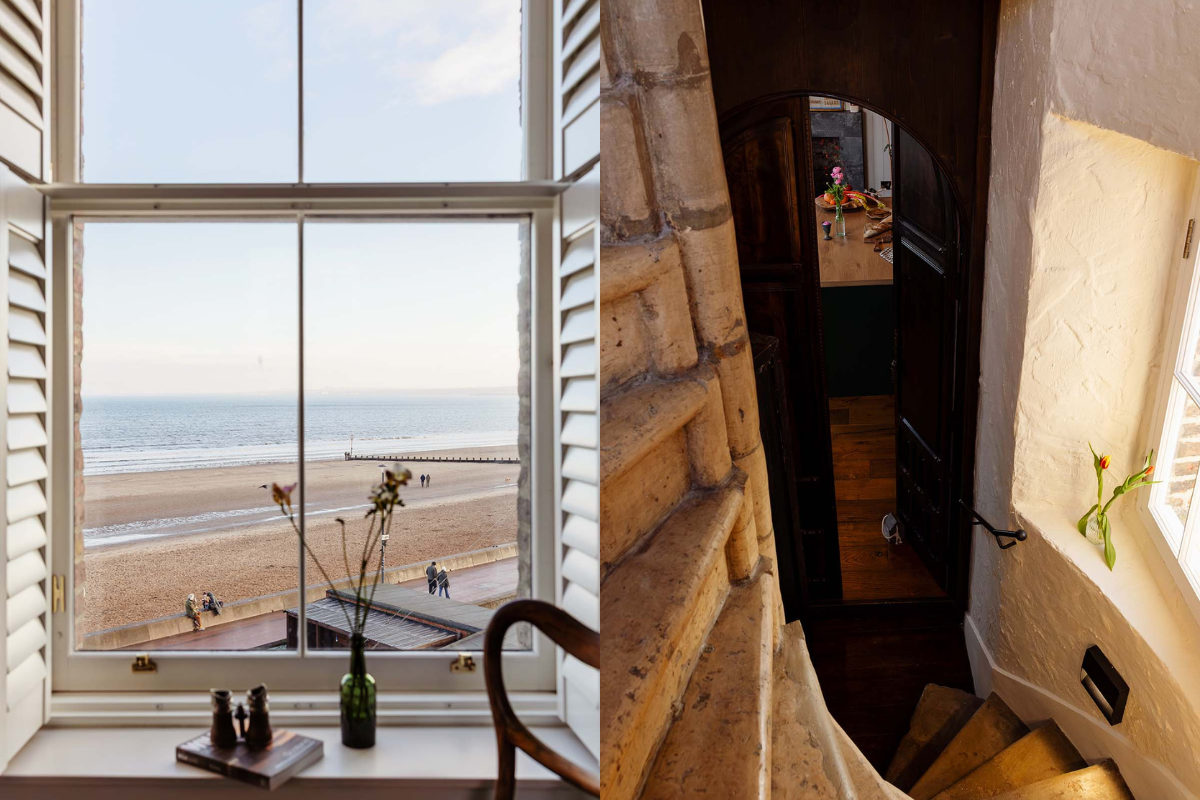
Parts of the building had completely crumbled, so there was a worry that we’d have to rebuild every element. But thankfully, we got to keep the entire winding staircase, so every step is completely original. We obviously polished them up a bit, but I’m so glad they didn’t crumble. They’re my favourite part of the building.
Do you think it is important to repurpose and redesign these buildings as eras change?
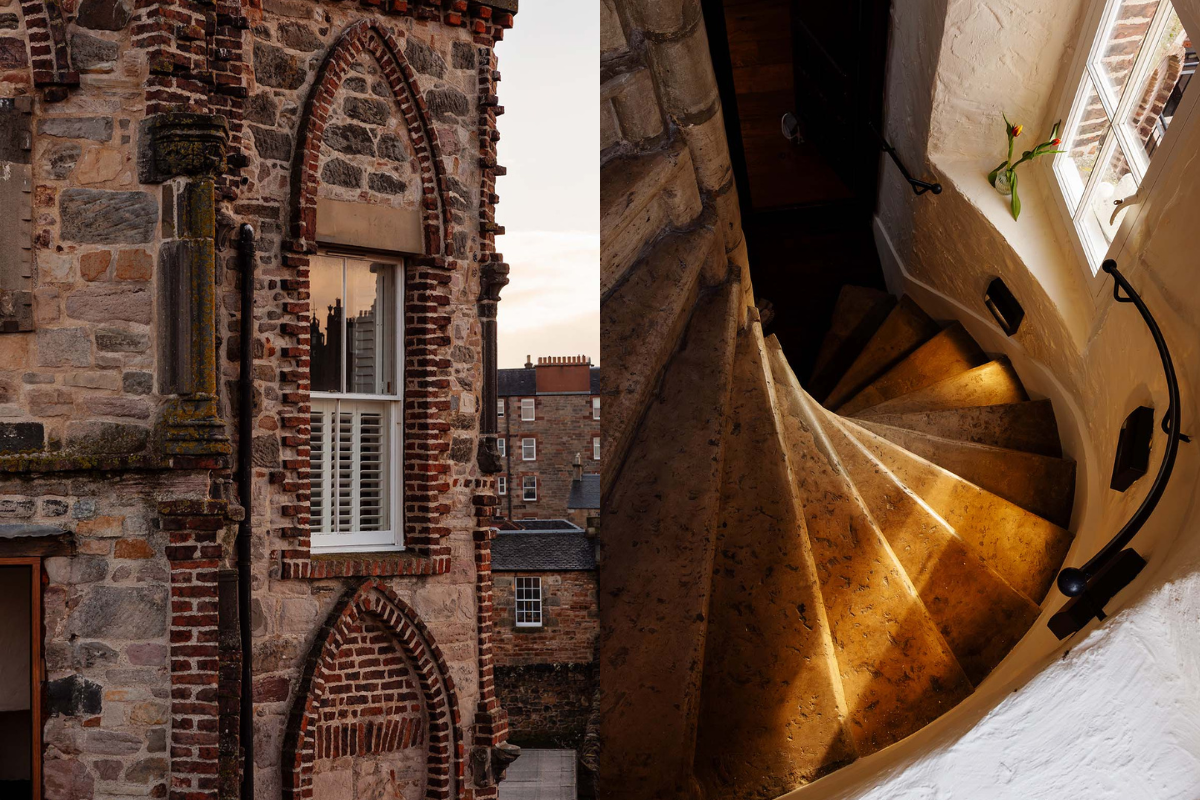
Respecting these structures helps preserve more than just stonework; it safeguards language, craft, and memory. I mean, it’s an absolute nightmare when it comes to carting equipment and furniture in for events, but other than that it’s an incredible space – and absolutely worth keeping. I’m very proud of what we’ve created and I’m so glad people are enjoying it too.
Visit The Tower website | Follow The Tower on Instagram