

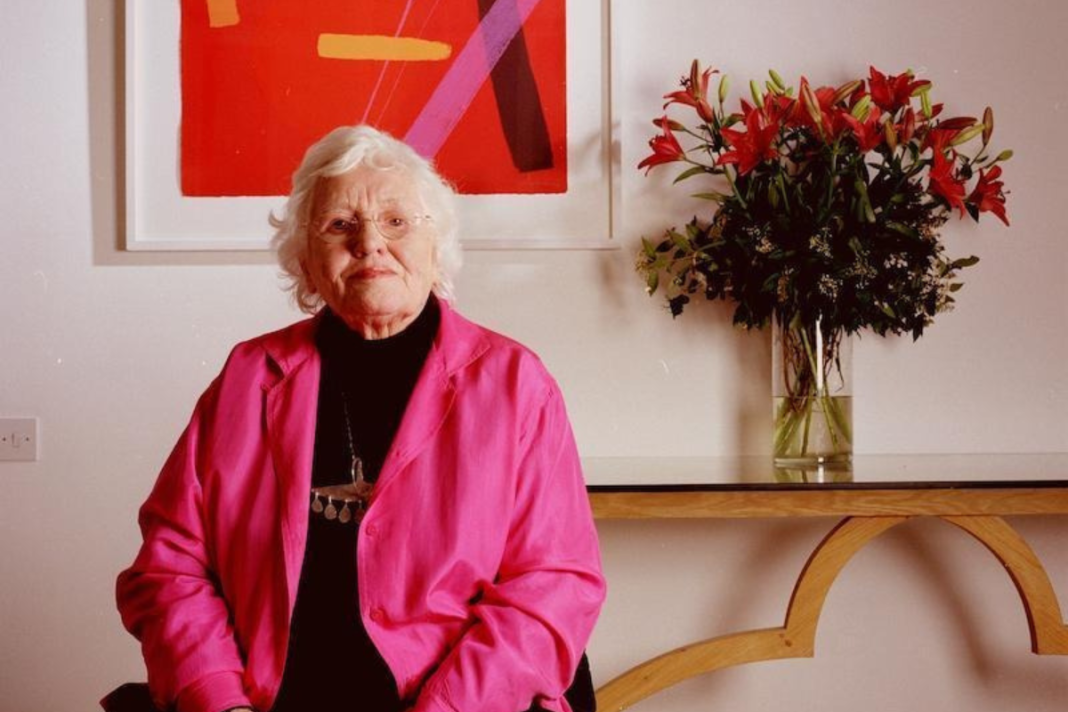
All her life, renowned artist Wilhelmina Barns-Graham refused to march to anything but the beat of her own drum – yet it wasn’t until her eighties that the rest of the world heard how powerful its sound was
Wilhelmina Barns-Graham (also known as Willie) was only a child when she learned that believing in herself would protect her art, even if no one else did. Born in St Andrews in 1912, her parents struggled to support her artistic dreams, urging her to be more realistic instead. Yet today, it is her abstract visions that have become an outstanding contribution to post-war British art.
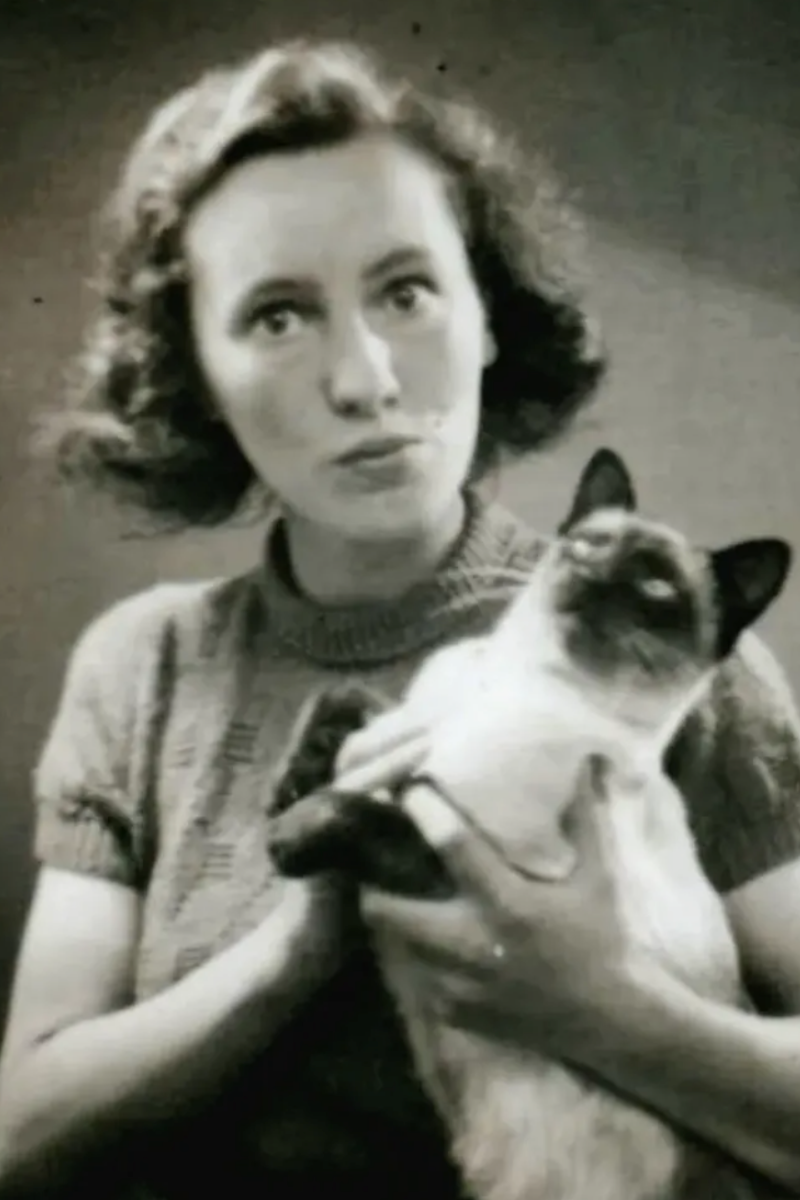
“Since she was a child, she knew that making drawings was all she wanted to do,” explains Rob Airey, director of the Wilhelmina Barns-Graham Trust. “But since pursuing art wasn’t the done thing for women in the 1930’s, going against her parents’ wishes was just the first hurdle she would overcome.”
Following her gut brought her to study at Edinburgh College of Art, before moving to Cornwall in the search of independence. It was here she became a prominent member of the St Ives school, alongside British modernism pioneers Ben Nicholson, Barbara Hepworth and Naum Gabo.
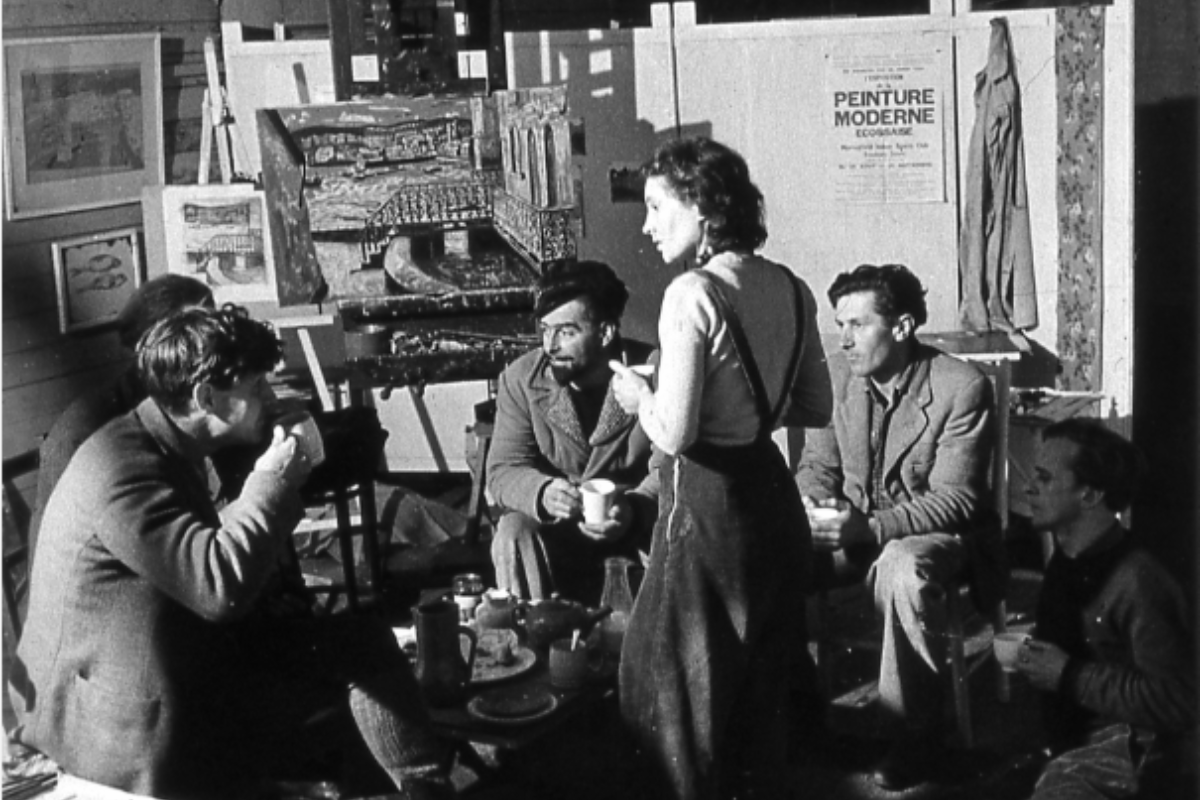
Rubbing shoulders with other talented artists offered community, but later Barns-Graham wrote how she “didn’t want to get too mixed up with them as they would be too strong an influence. I wanted to go in my own direction.”
This early stage in her career saw her spend days in a studio overlooking the beach, creating romantic coastal landscapes and figurative paintings inspired by nature. Some of this work was exhibited with the St. Ives School, but she often struggled with their competitive attitudes, describing herself as a “lone wolf”.
Then a pivotal experience came in 1949 as she traveled to Switzerland’s Grindelwald glaciers, a trip that would reshape her artistic perspective for decades.
“It would have been such an alien environment standing there on the ice, it was something completely different from the Cornwall landscapes.” says Rob, explaining the twist in her style as she moved to more abstract pieces. “What is interesting is how she was faced with these huge mountains and dramatic skyline, but wasn’t tempted to do traditional landscapes. Instead, it was what was below her feet and beyond what her eyes could see.”
Barns-Graham wrote, “This likeness to glass and transparency, combined with solid rough ridges, made me wish to amalgamate all angles at once; from above, through and all around, as a bird flies — a total experience.”
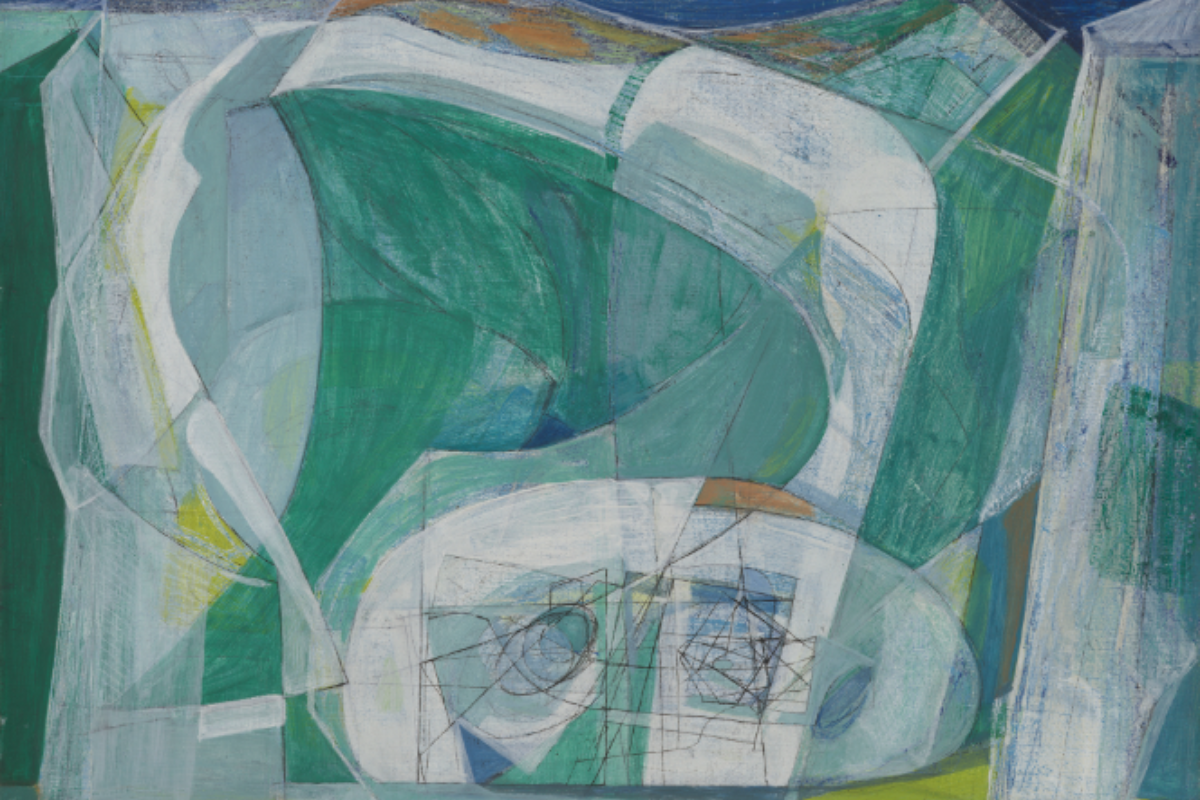
The collections of paintings were admired and sold well when she debuted them, giving her real recognition for the first time.
However, by 1952 Barns-Graham felt she had fully explored the project and refused to exploit its success by creating more for the sake of demand, and soon the attention faded.
Despite the buzz quieting, she remained determined to create art that felt right to her and later went on to experiment with more techniques.
In her final decade, printmaking became an increasingly important outlet for her creativity. This new way of working saw her produce prints in series, introducing variations by playing with shapes, arrangements and altering colours.
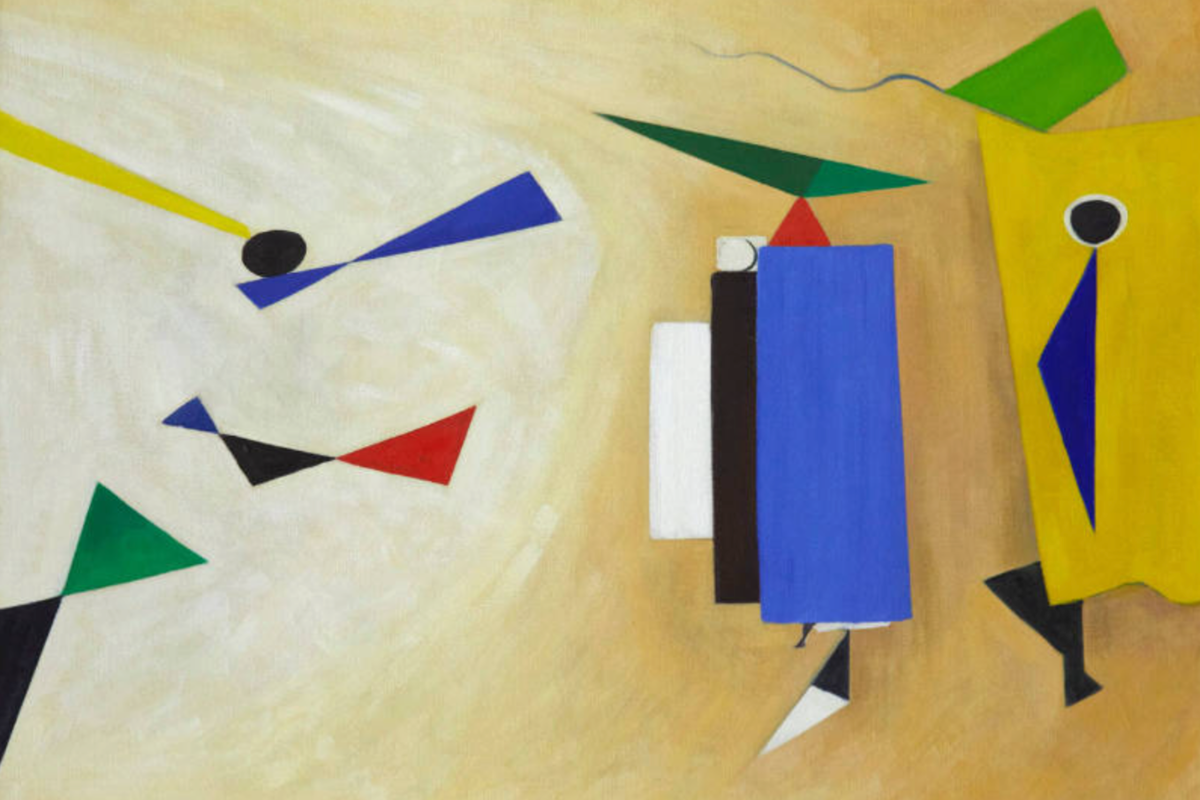
It wasn’t until the mid ’90s that Barns-Graham found herself thrust back into the commercial spotlight, following a major revival of interest in the St Ives modernists, and her new vibrant screenprints brought a new wave of critical appreciation and new audiences to her art – which has continued to grow ever since.
Her fans included rockstar David Bowie, who bought two pieces in the 1990s before his estate sold them at auction in 2016, following his death.
Now, for the first time in decades, these pieces — View of the Coast from Zennor, St Ives (1949) and Glacier (Bone) (1950) — will both be available to view in public later this year.
It comes as part of The Royal Scottish Academy‘s 200 Years project celebrating old and new artists. This will see a major retrospective exhibition celebrating Wilhelmina Barns-Graham’s incredible career up until she died in 2004. It will be open from October to April at the Tate, in St Ives, Cornwall.
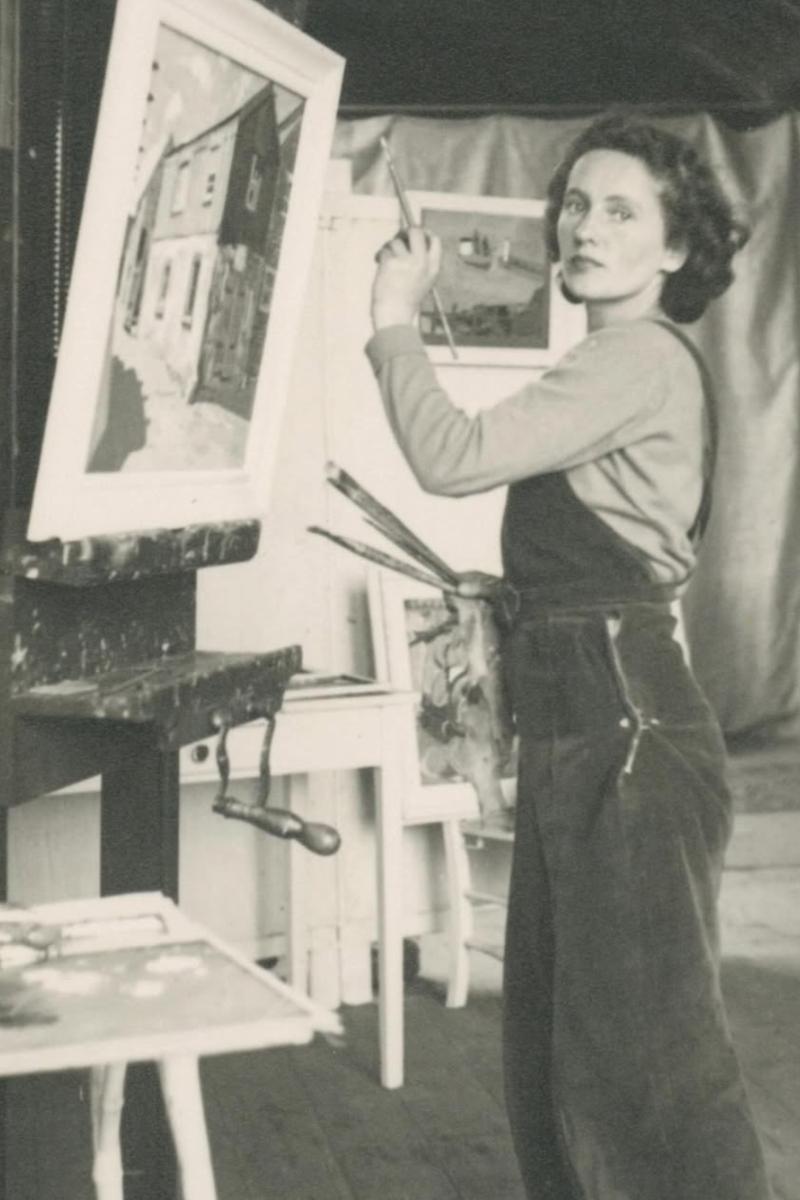
Featuring over 170 paintings, drawings, prints and archive materials, the display will trace her student days before concluding with paintings from her Scorpio series, created in her final two decades.
It has been put together with the Wilhelmina Barns-Graham Trust, which Willie set up before she died in 2004.
Her hope was to protect her legacy and work, and fund other artists determined to beat their own drum — even if it takes a while for others to catch up to the rhythm.
Visit the Royal Scottish Academy website | Follow Royal Scottish Academy on Instagram